The map cannot be displayed because you have not yet agreed to the use of GoogleMaps.
You can find the GoogleMaps privacy policy at https://policies.google.com/privacy?hl=en-US
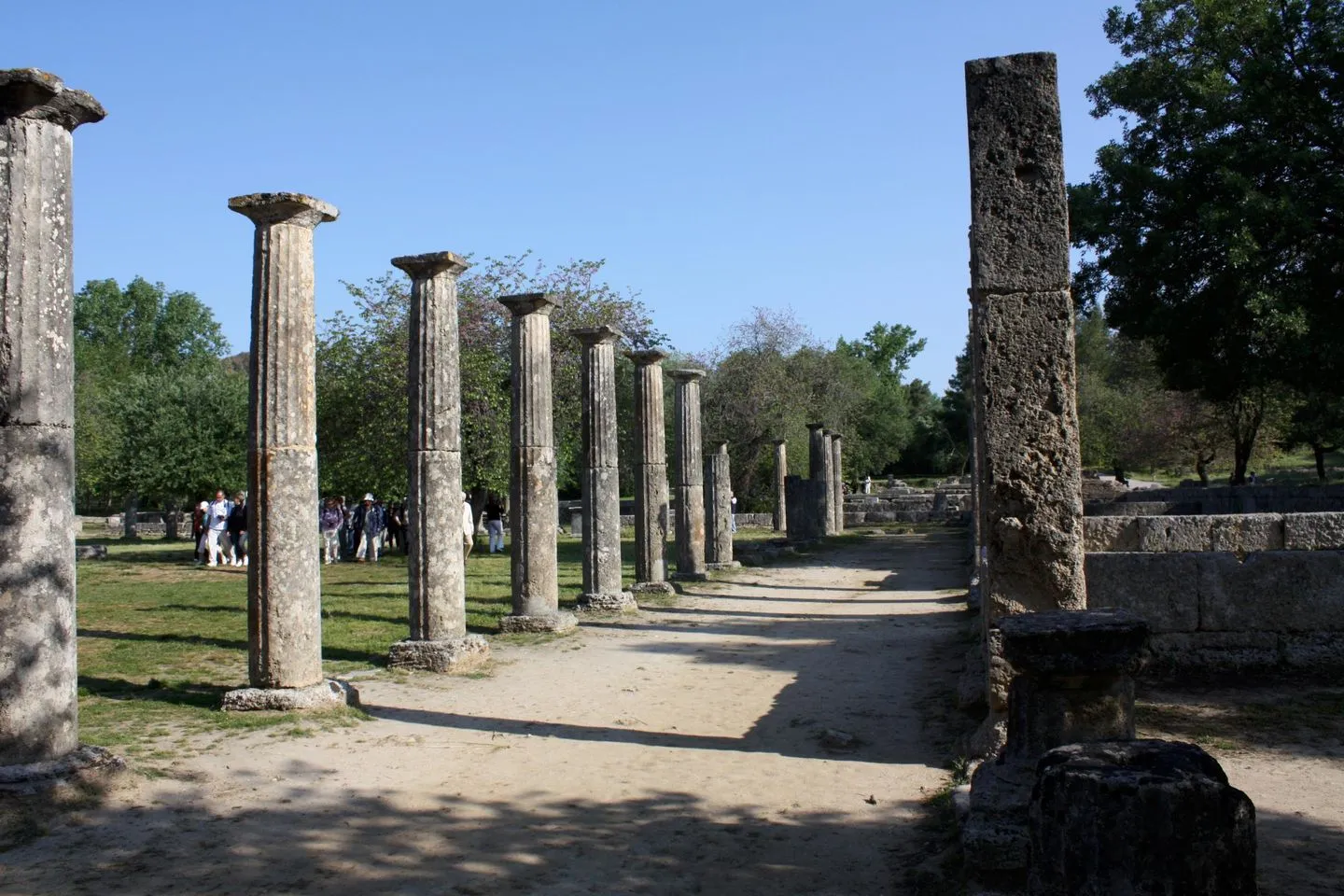
Ilia, also known as Elis, is one of the seven prefectures of the Peloponnese and forms its northwestern part. It borders Achaia to the north, Arcadia to the east, Messenia to the south and the Ionian Sea to the west. The region is predominantly flat; intensive agriculture is practiced especially in the western coastal plains. The mountainous part lies in the northeast and east along the border with Achaia, around the southern slopes of Mount Erymanthos (2,129 m) and Mount Lampeia (1,797 m).
Miles of fine sandy beaches, wide plains, lagoons, a varied hilly landscape in the south and impressive mountain ranges in the east characterize this sun-drenched region of the Peloponnese. The coast of Ilia is mostly straight and flat, interrupted only by the two capes at Katakolon and Kyllini. Near Pyrgos lies Lake Kaiafas with its mineral springs. On the northwestern coast is the Katochi lagoon, while near Kyllini you will find the famous thermal springs. The main towns of the prefecture are Pyrgos, the ports of Katakolon and Kyllini, and the small town of Amaliada. Inland, the charming mountain villages of Krestena and Andritsena are well worth a visit.
Historically, Ilia mostly played a secondary role. Even in ancient times, it was a region of rural settlements and agricultural estates. The only town of independent significance was Elis (ancient Iliada), which – apart from its acropolis – remained village-like in character. The political neutrality of the region was a decisive factor in the development of Olympia as a pan-Hellenic sanctuary and venue of the ancient Olympic Games. In antiquity, Elis was also the only Greek region where cotton was cultivated.
The region flourished in the 13th century, when numerous castles and noble residences were built and Ilia became the heartland of the Frankish knightly state. Today, Ilia is one of the most fertile areas in Greece and is often referred to as the country’s “fruit and vegetable garden.” The rivers Pinios and Alpheios play a major role in supporting its intensive agriculture. Crops grown here include cereals, rice, wine, cotton, citrus fruits, olives, vegetables and legumes.
Tourism also plays an important role: the archaeological site of Olympia attracts thousands of visitors every year. The dune beaches of Kyllini, Skafidia and Kakovatos are also very popular. In addition to Olympia, the region offers a wide variety of Byzantine churches and medieval castles of archaeological and historical value.
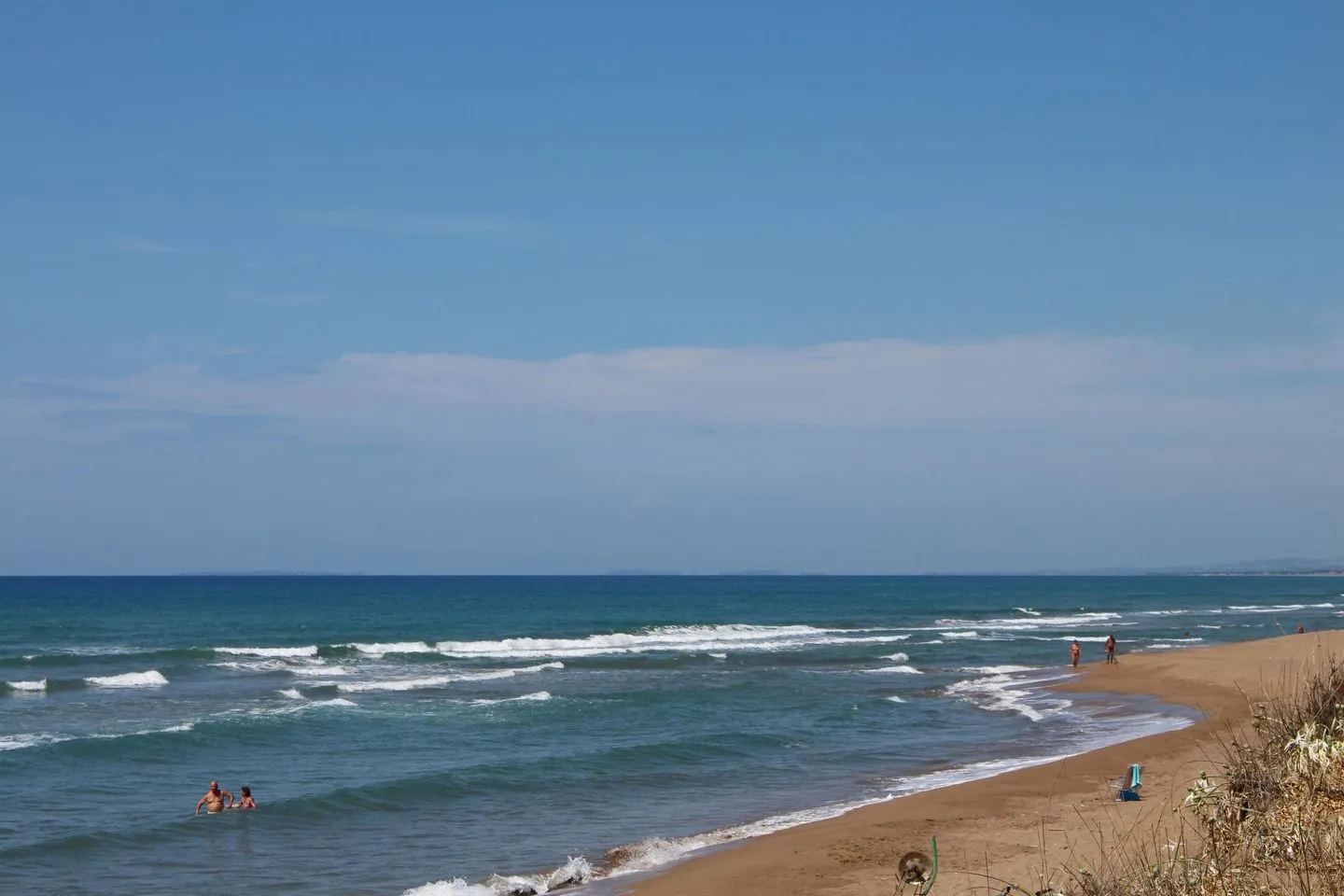
Water temperatures begin at around 16°C in April, rise to about 22°C in June, reach up to 26°C in July and August, and remain pleasantly warm until October (around 22°C). In November, they drop to around 19°C.
In Loutra Kyllinis, holidaymakers will find ideal conditions for water sports such as water skiing, windsurfing and jet skiing. The long sandy beaches and clear water make the region especially attractive for active travelers.
Pyrgi and Skafidia offer kite and windsurfing schools with equipment rental and lessons. Thanks to favorable wind conditions and wide beaches, these coastal stretches are among the best spots in the region.
Olympia is located around 20 km east of Pyrgos and is one of the most important sights in Greece. For centuries, it was a religious and sporting center. The ancient Olympic Games were held here, with the first historical record dating back to 776 BC.
The extensive excavation site with its stadium, temple complexes and museum buildings offers an impressive insight into the ancient world. The Archaeological Museum houses important finds, including the famous Hermes statue by Praxiteles. Since 1989, Olympia has been a UNESCO World Heritage Site.
About 75 km southeast of Pyrgos, high above the Neda Gorge, stands the Temple of Apollo Epikourios. After the Hephaisteion in Athens, it is the best-preserved temple in Greece. It was built in the 5th century BC by Iktinos, the architect of the Parthenon. Its unique frieze is now housed in the British Museum. Bassae has been a UNESCO World Heritage Site since 1986.
Ancient Elis was located in the fertile plain of the Pinios River. Today, visitors can explore the excavation site and museum. Nearby are the village of Kentro and the Pinios reservoir with its impressive 50 m high and more than 2 km long dam.
Kyllini includes the villages of Kastro, Kato Panagia, Neochori, Loutra Kyllinis, Golden Beach and Analipsi. Of historical importance is the medieval port of Glarentza, which became the region’s most important trading harbor in the 13th century.
The mighty fortress near Kastro was built between 1220 and 1223. Thanks to its strategic location, it provided protection and control over the region for centuries. Today it has been restored and houses a museum. Music events are held here during the summer.
A charming mountain village with old stone houses, shady plane trees and magnificent views. Its peaceful setting makes it ideal for hiking.
The capital of the prefecture is an important transport hub. Particularly worth seeing are the market halls from the 19th century, designed by the German architect Ernst Ziller.
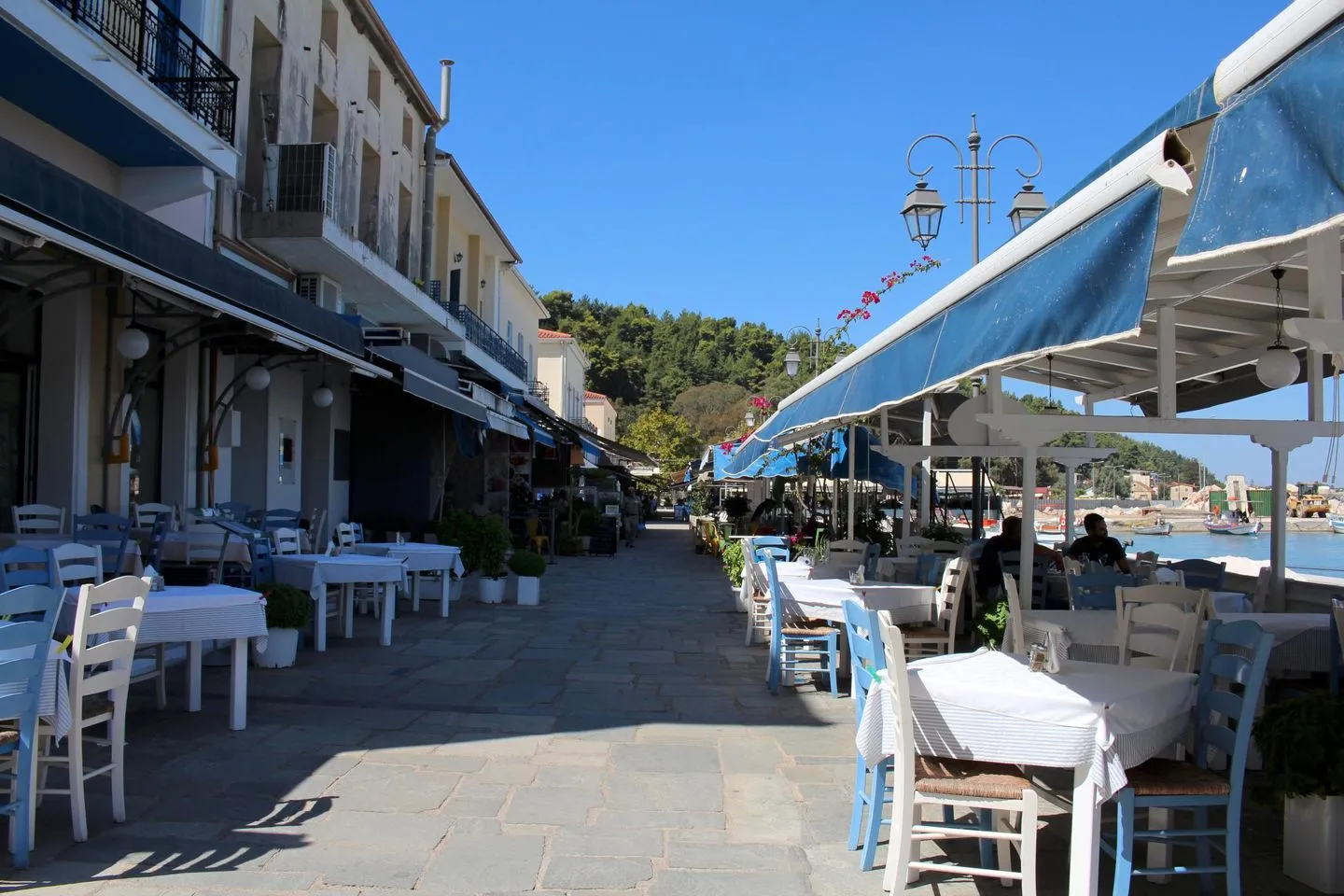
The region’s most important port is visited by many cruise ships. The harbor promenade offers souvenir shops, cafés and tavernas.
A Byzantine nunnery from the 12th century, about 2.5 km southeast of Kyllini. Particularly worth seeing are the wall paintings and the icon of Panagia Vlacherna. A large pilgrimage festival takes place here every year on September 8.
The Peloponnese is one of the most important wine regions in Greece. Grape varieties grown here include Agiorgitiko, Mavrodaphne, Moschofilero, Robola, Syrah and the Italian Negroamaro. In Ilia, you will find excellent white and red wines. A tour along the wine route near the village of Korakochori is highly recommended.
By Plane:
Athens: approx. 3 hours’ drive to the vacation homes
Kalamata: approx. 2 hours’ drive
By Ferry:
From Venice, Ancona, Bari or Brindisi to Patras.
From Patras: approx. 2–3 hours’ drive to the vacation homes.
About 6 km south of the port of Kyllini and below the village of Kastro lies Analipsi Beach. Just a few steps away, in an olive grove, are the vacation homes Dionisios and Nikos. Directly above the beach are the holiday apartments Ithaka 1 and Ithaka 3, which share a swimming pool.
On the southern coast of Ilia, at the long dune beach of Kakovatos, lies the typically Greek village with its platia, church, kafenions, grocery shop and tavernas. Behind the dunes are the Nikos vacation homes.