The map cannot be displayed because you have not yet agreed to the use of GoogleMaps.
You can find the GoogleMaps privacy policy at https://policies.google.com/privacy?hl=en-US
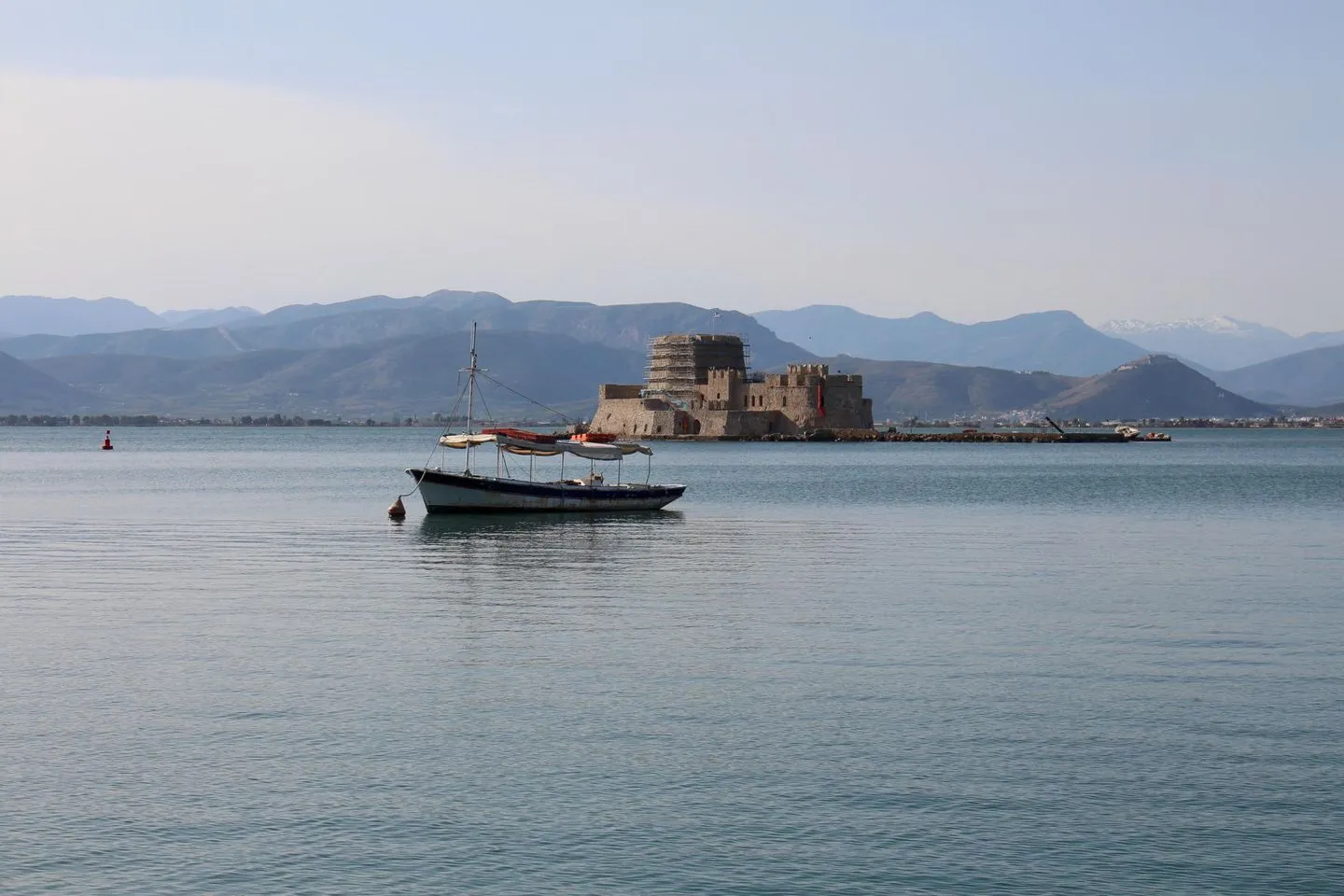
Ancient civilization, picturesque coastlines and fertile landscapes in the northeast of the Peloponnese.
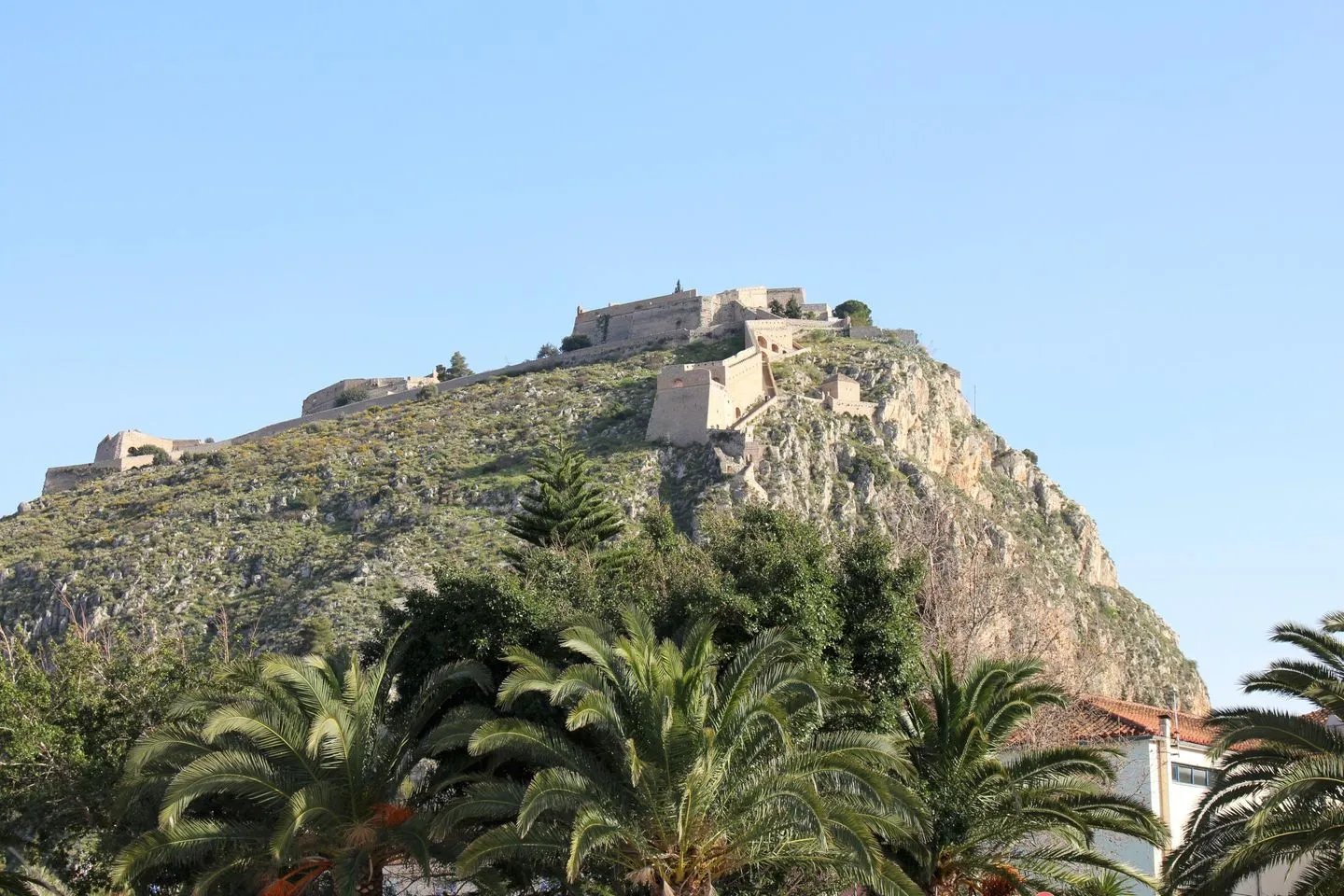
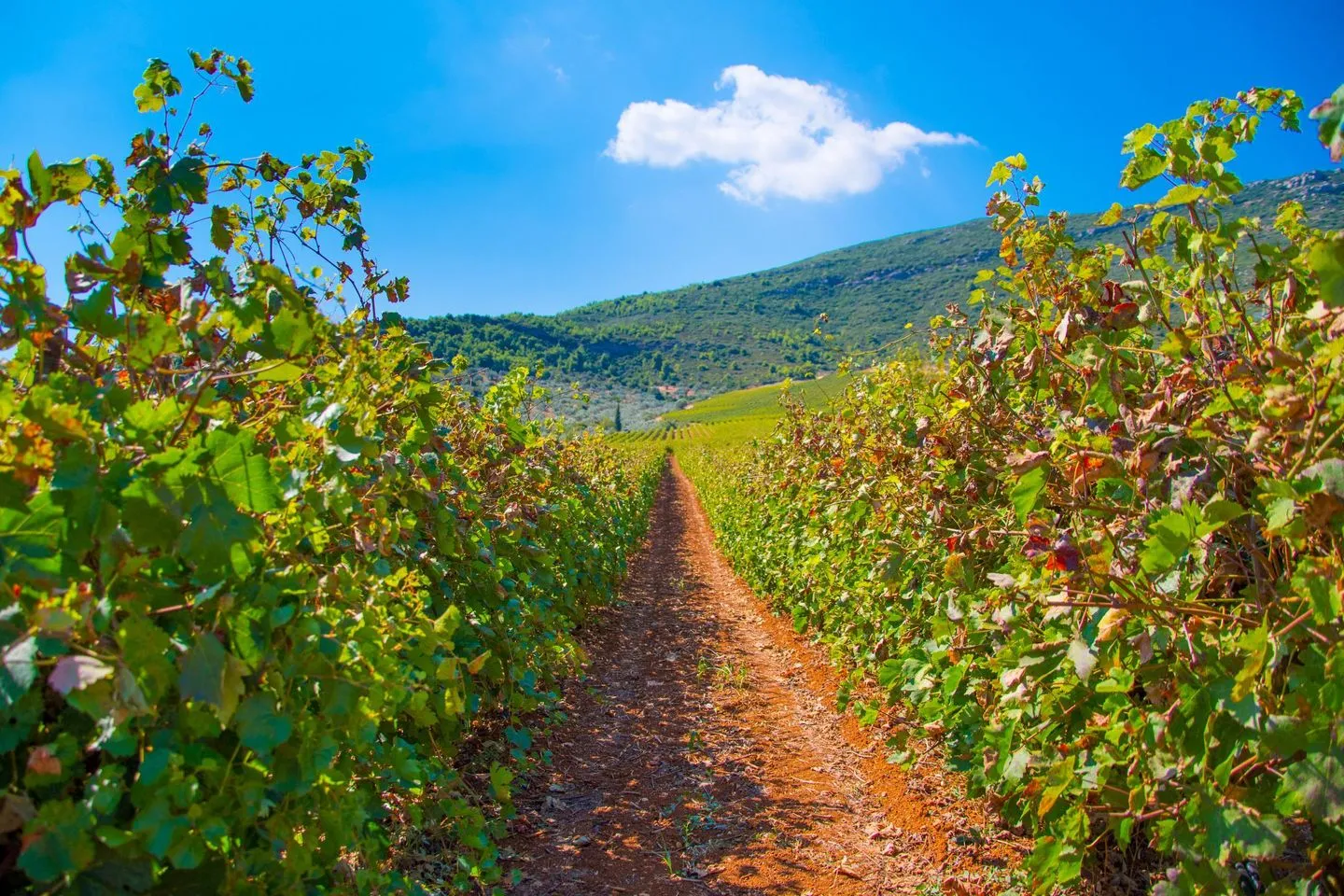
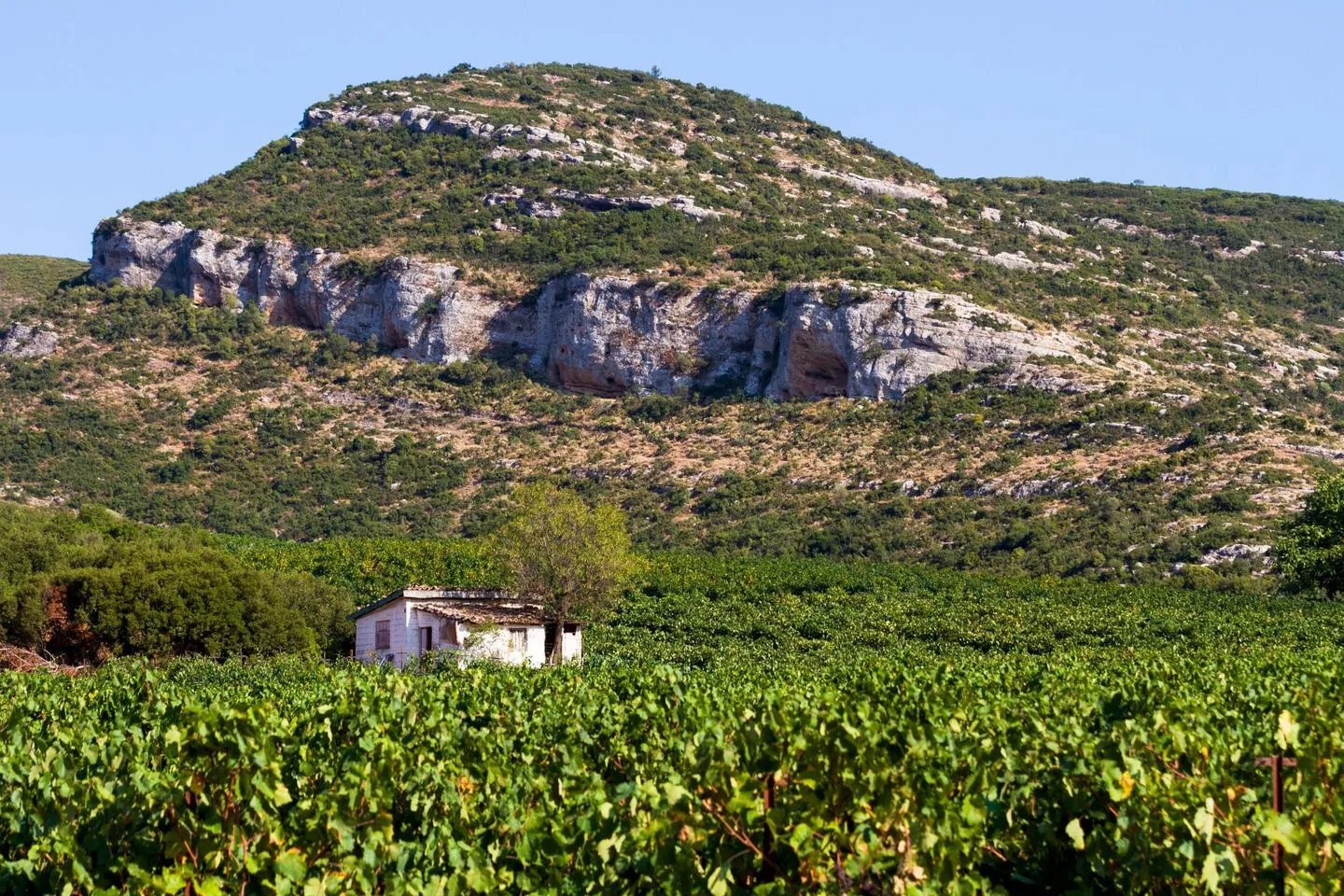
Argolis – also known as Argolida – is often referred to as the “thumb” of the Peloponnesian hand. It stretches between the Saronic Gulf and the Argolic Gulf in the northeast of the Peloponnese and includes the eastern coastline from Epidavros to the headland near Porto Cheli and Ermioni in the south. At the heart of the region lies a fertile plain, which, thanks to the cultivation of olives, wine and citrus fruits, is one of the most productive areas of the Peloponnese.
To the west and north, this plain is framed by mountains that separate Argolis from Arcadia and Corinthia. The region is extremely diverse in terms of landscape and offers countless reasons to visit: famous ancient sites such as Mycenae, Epidavros, Tiryns, Nemea and Argos are among the classic highlights of Greece.
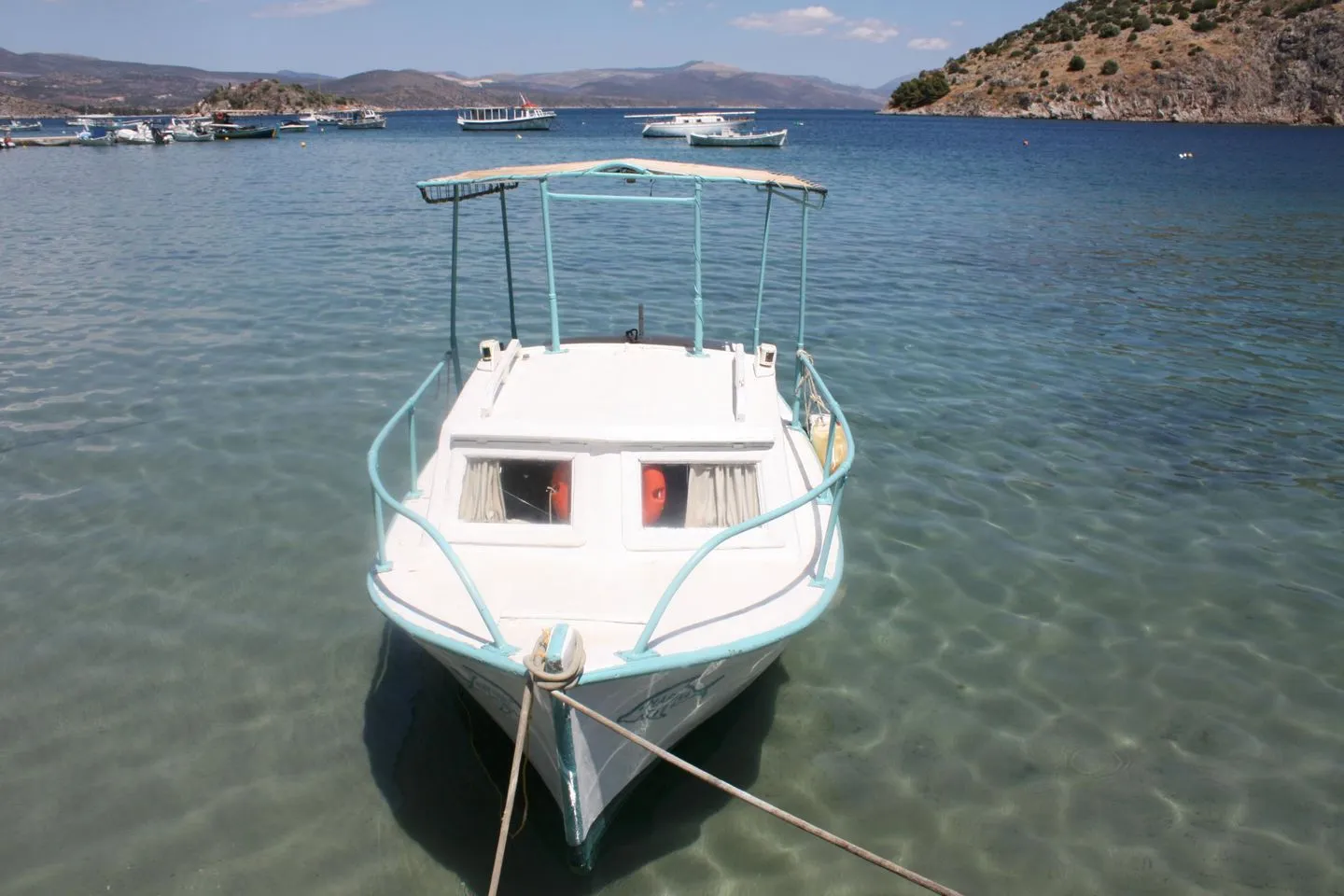
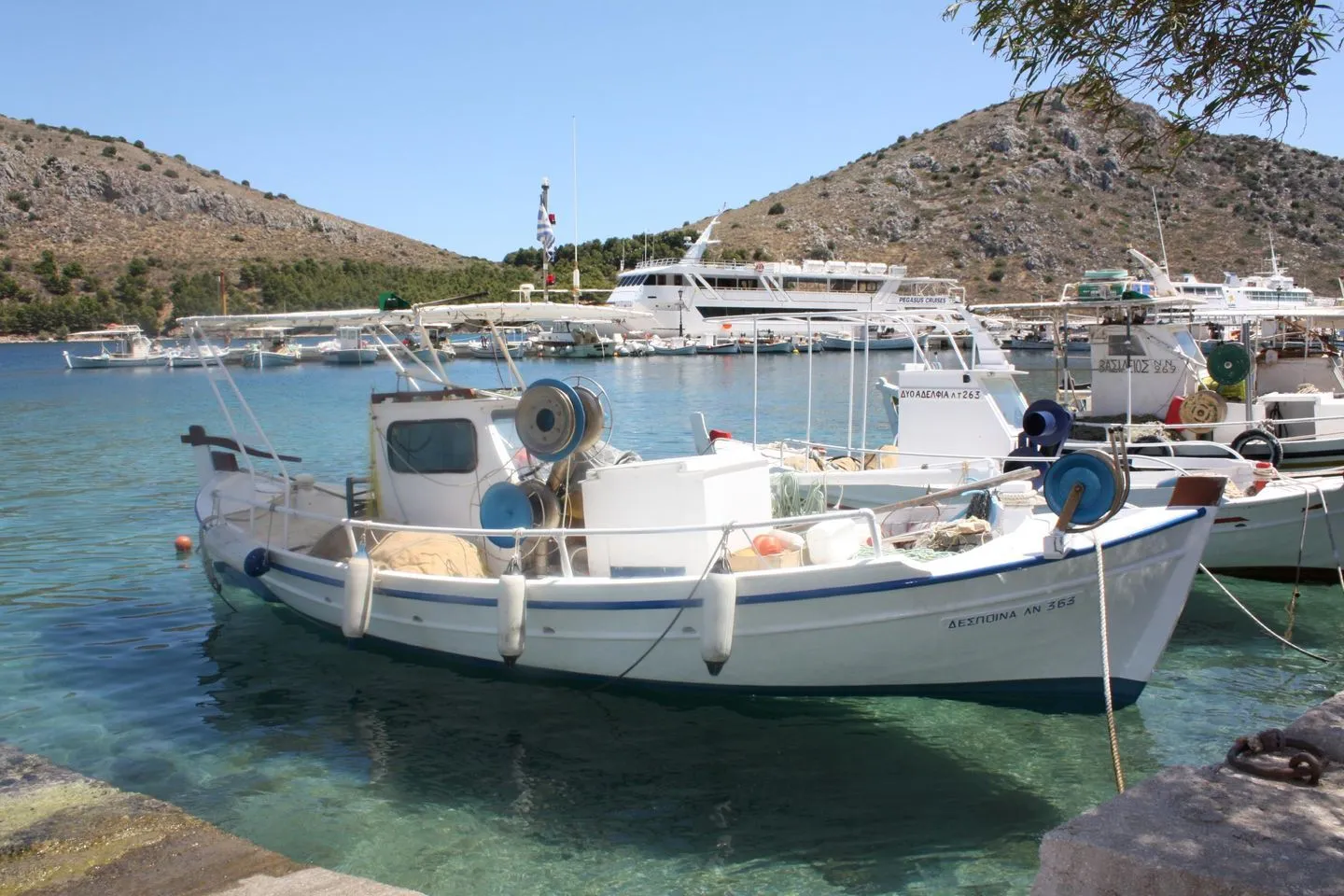
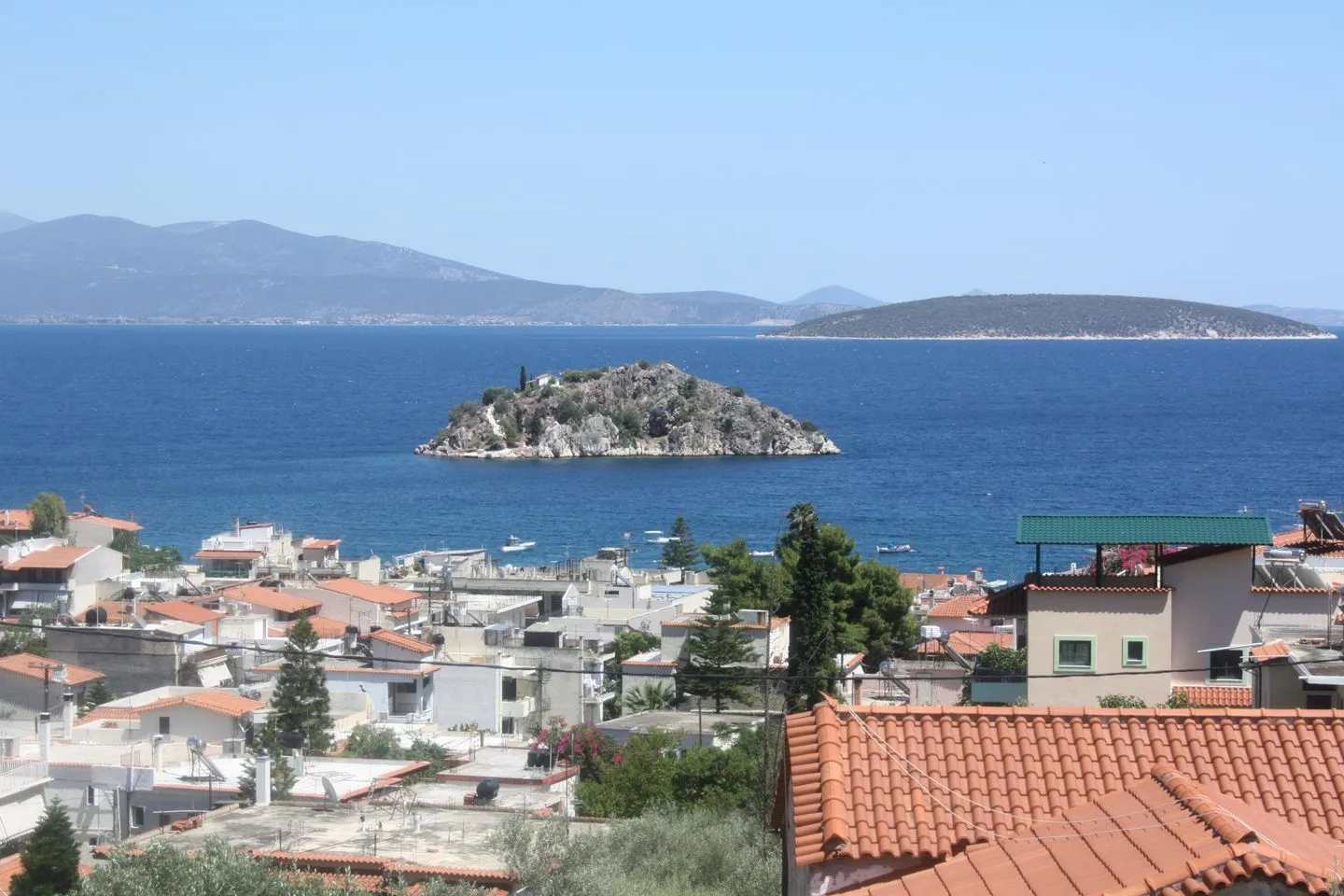
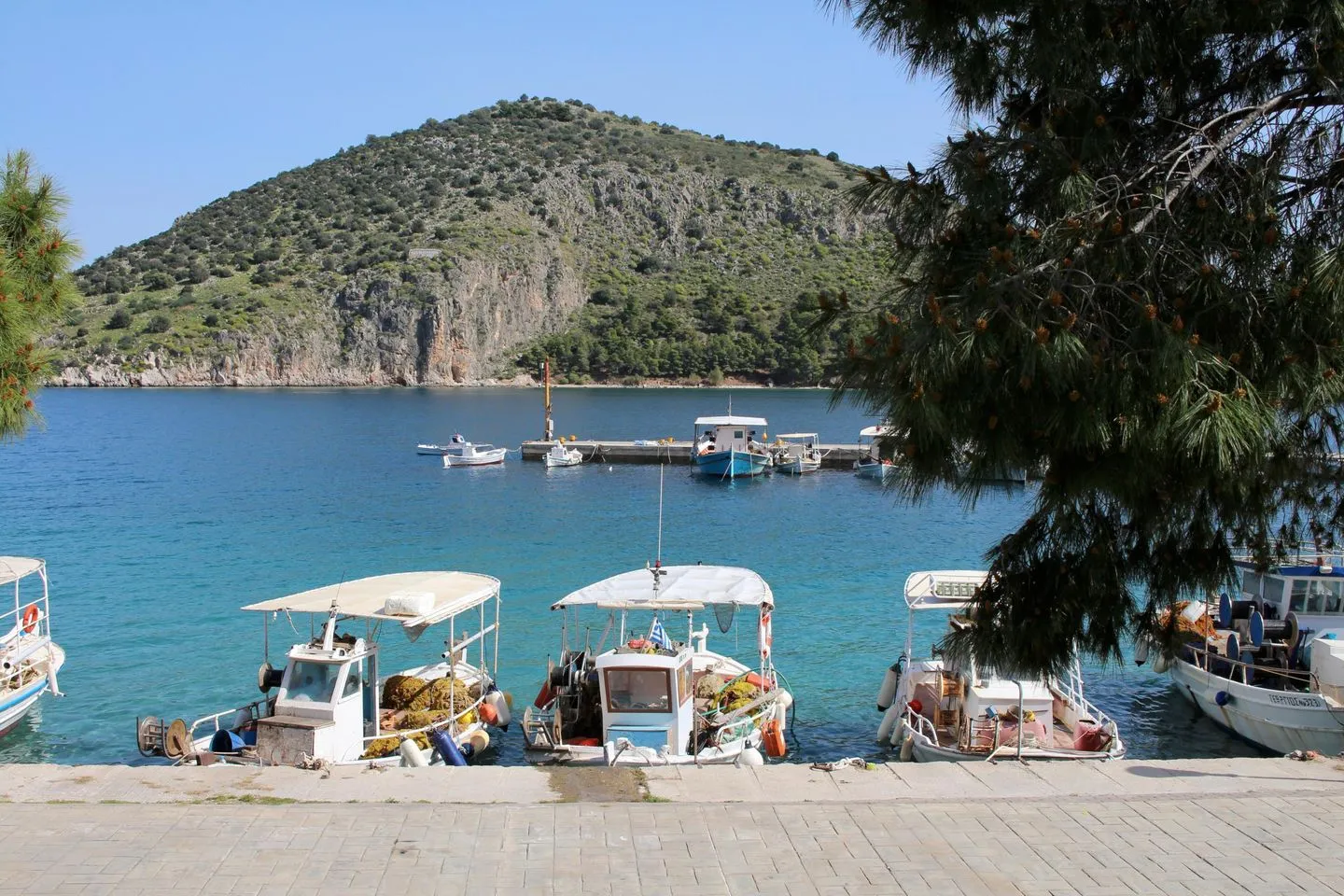
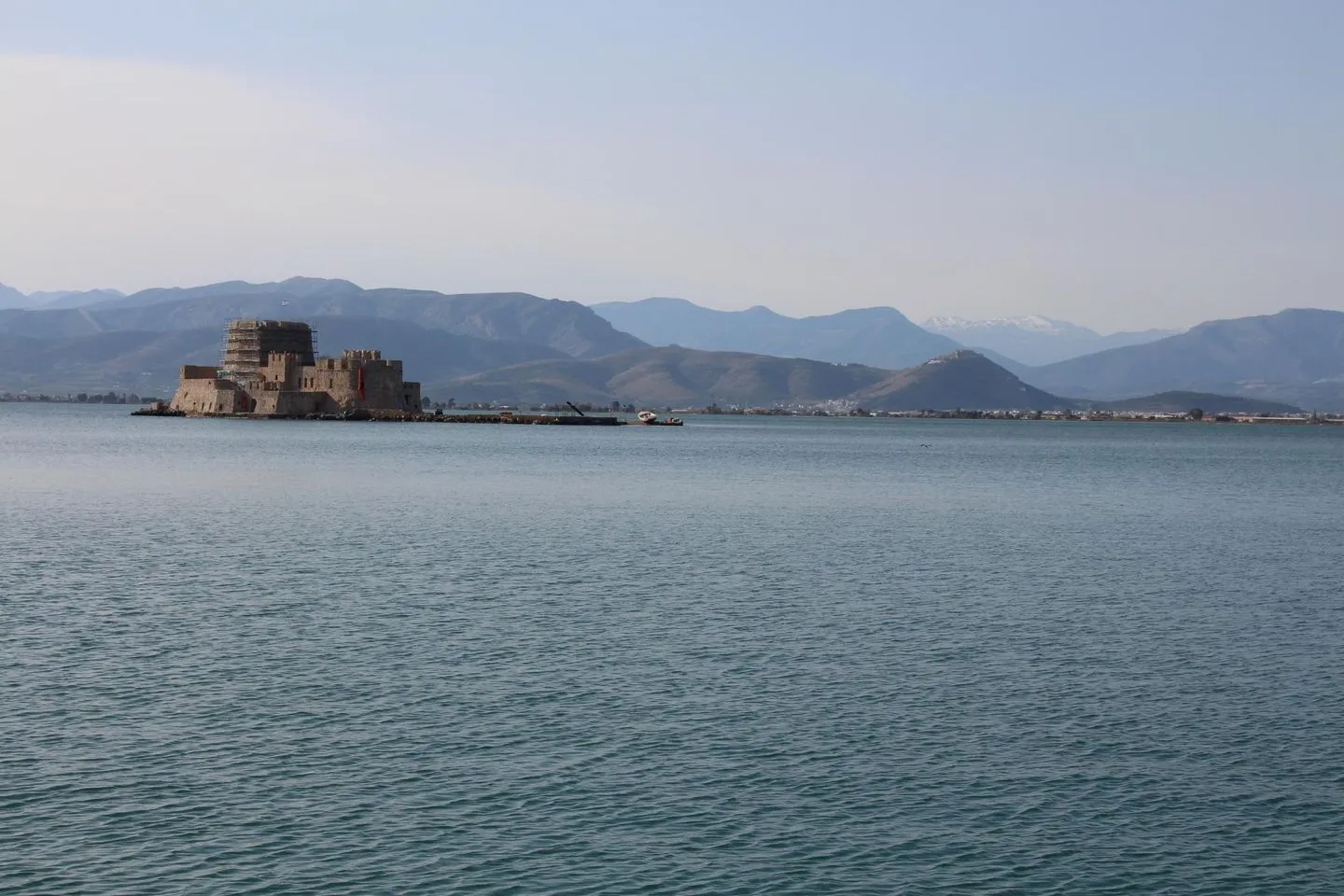
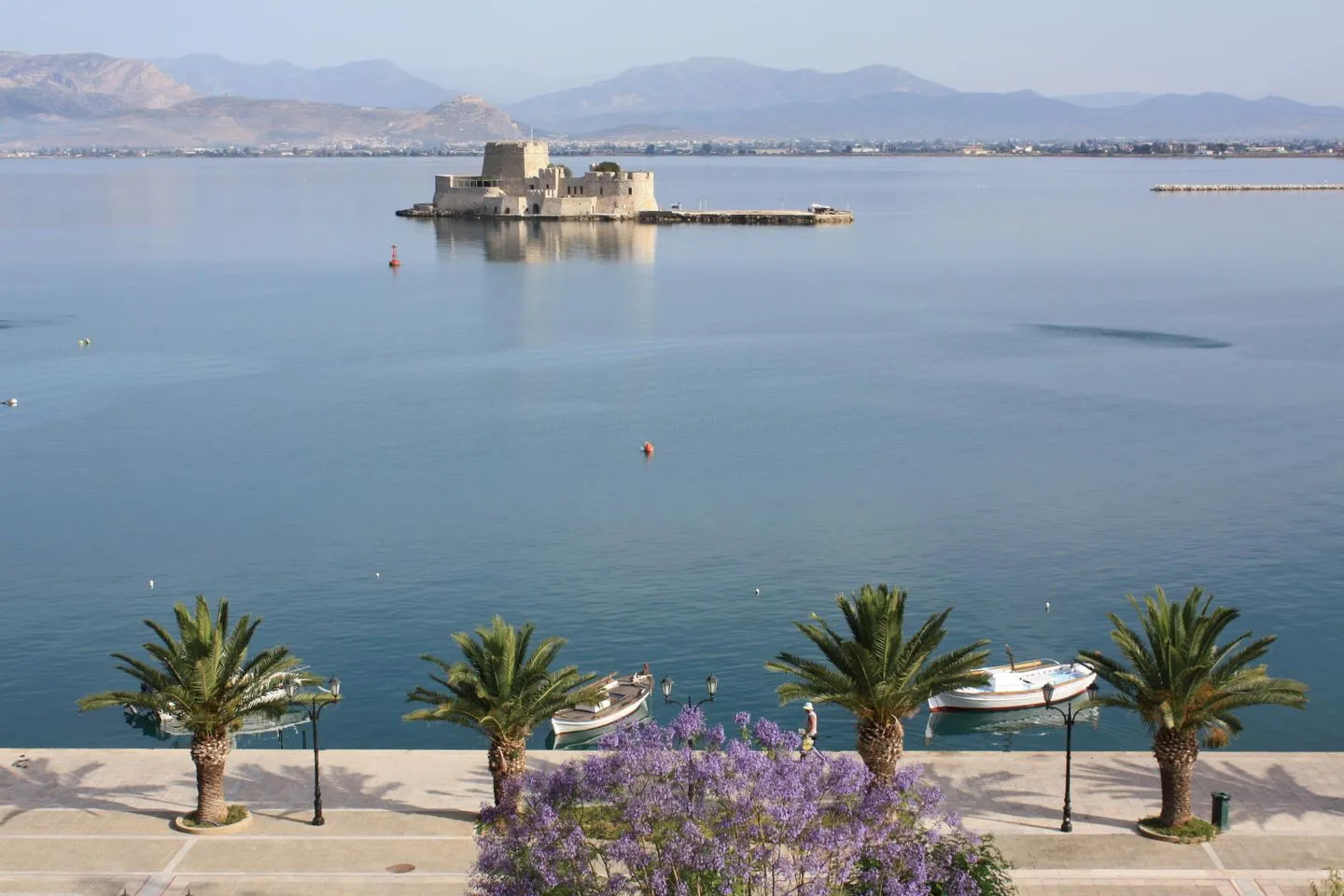
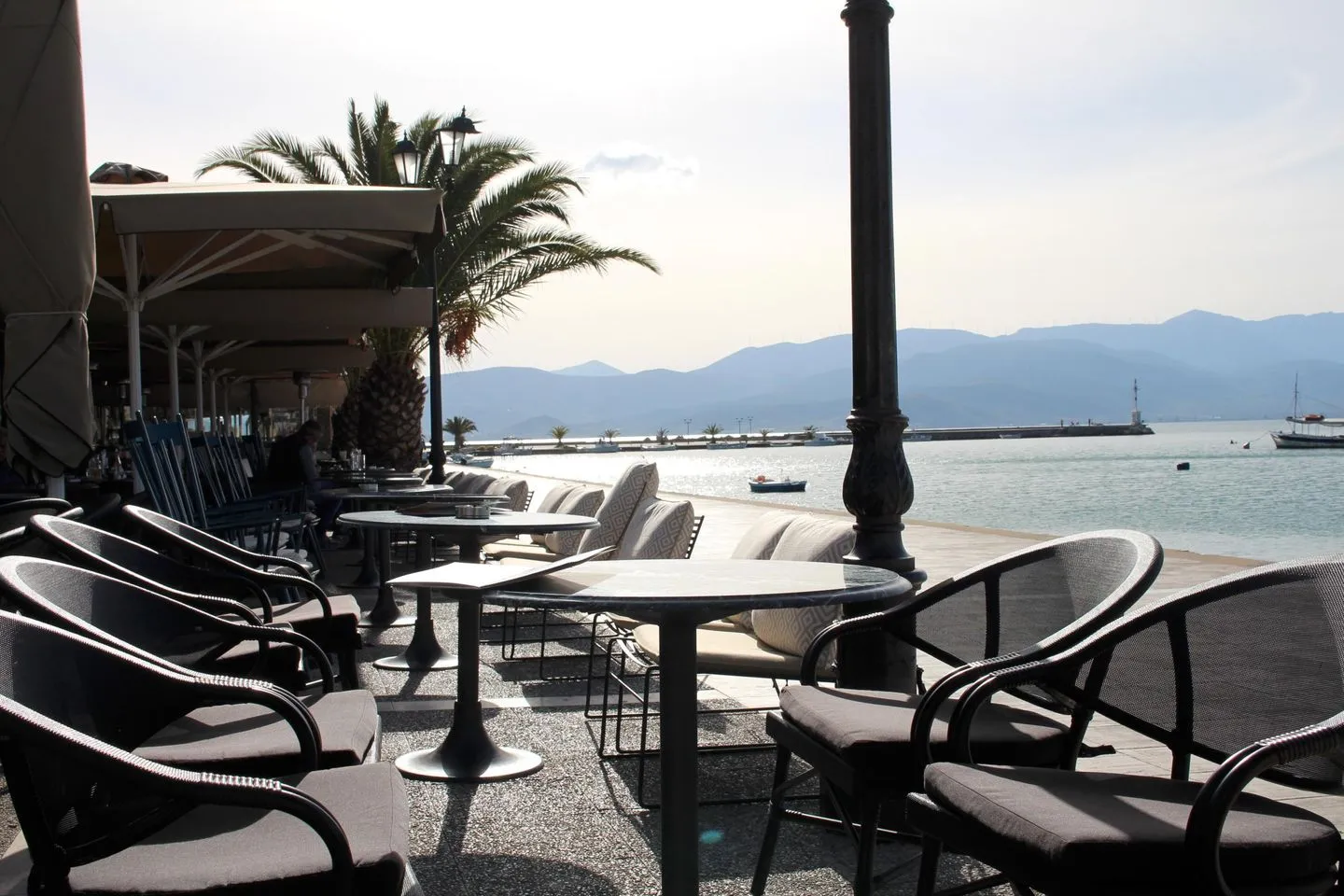
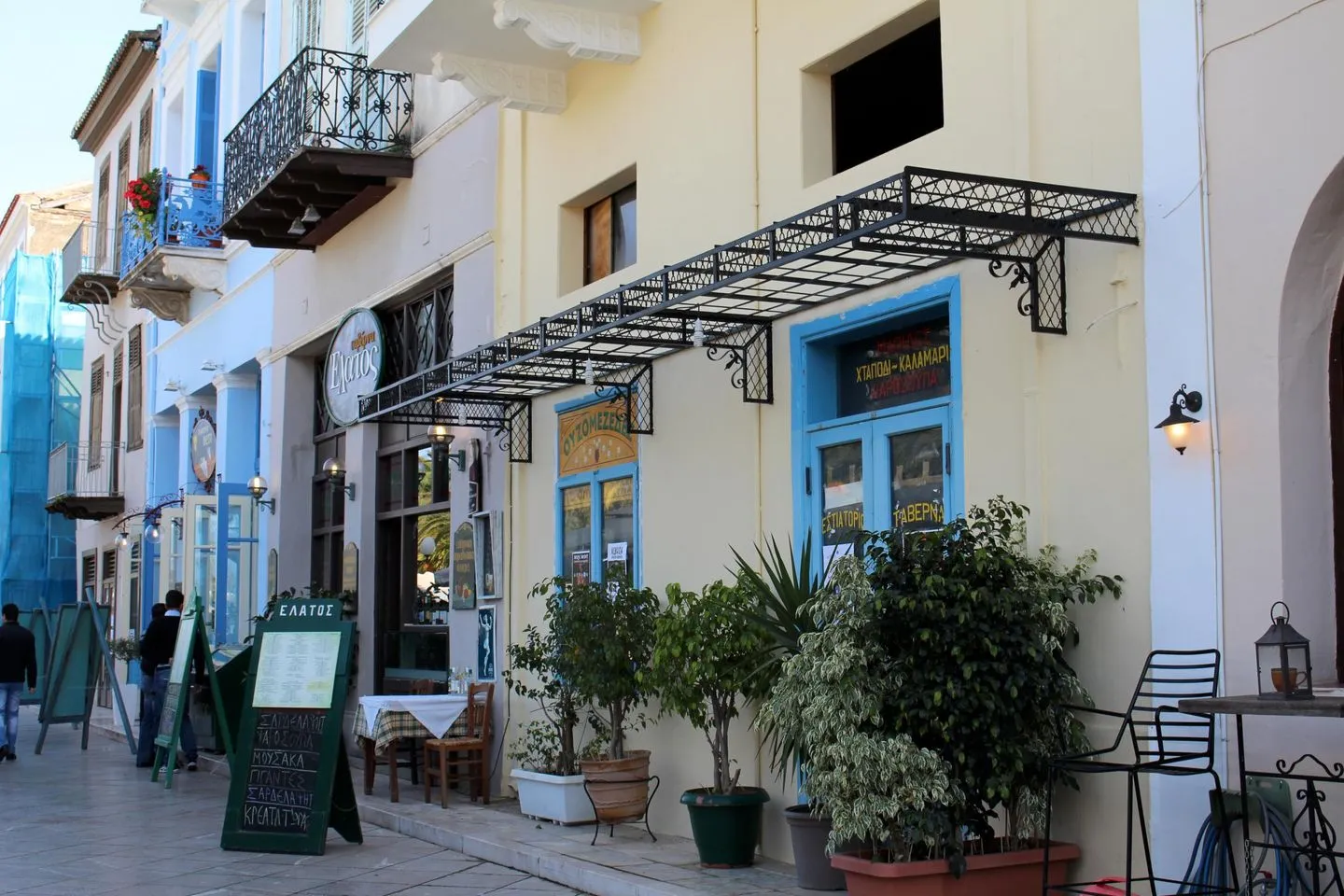
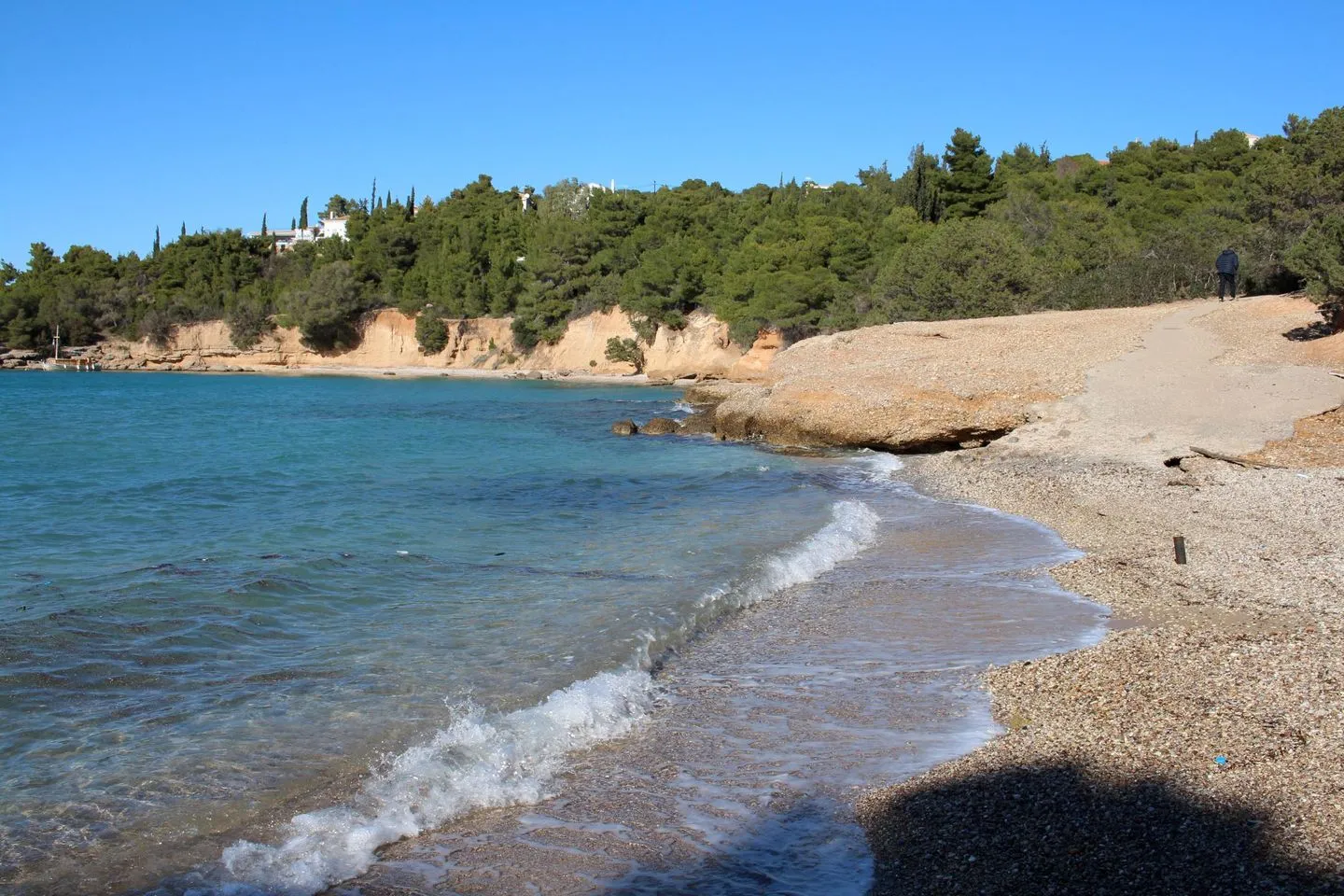
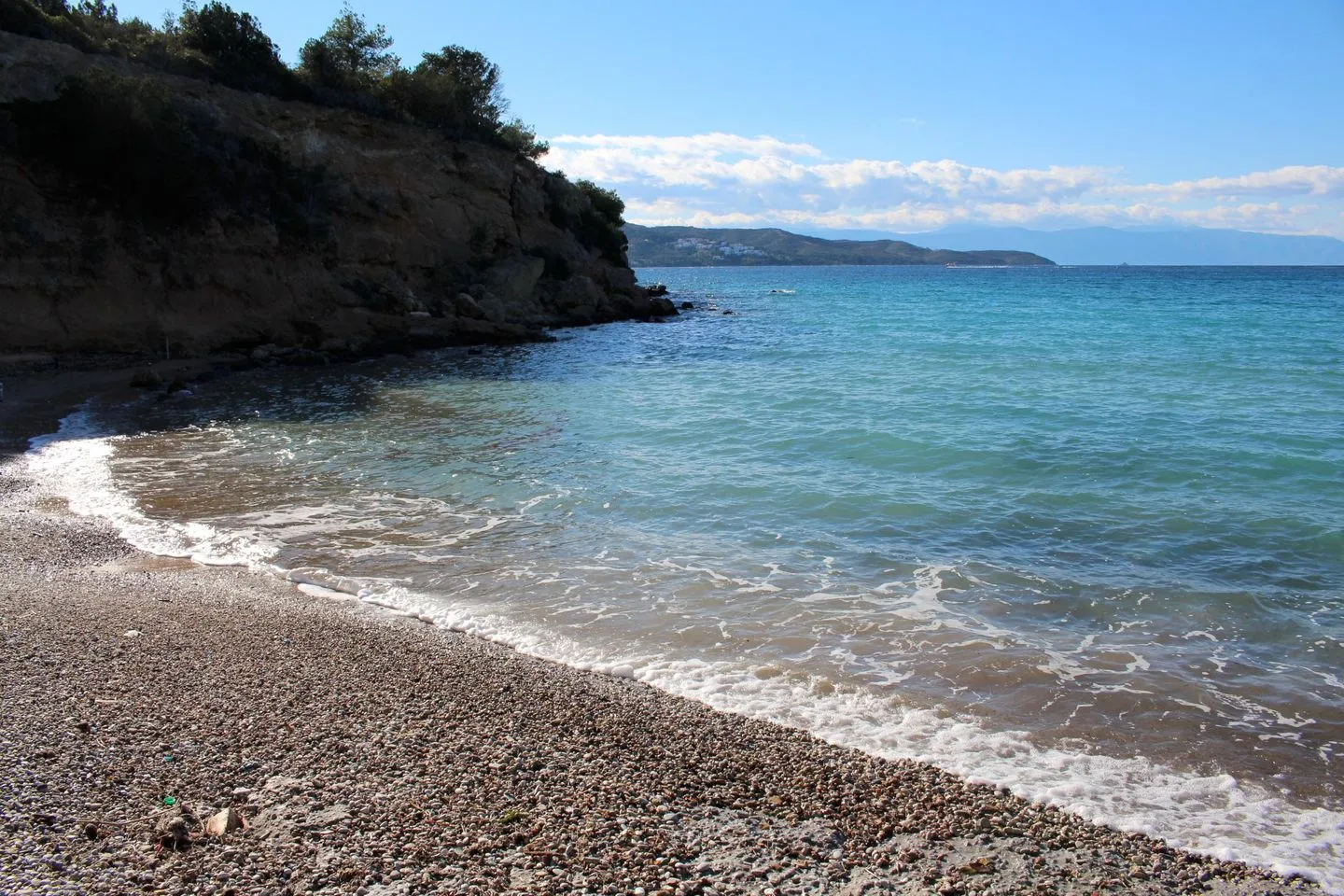
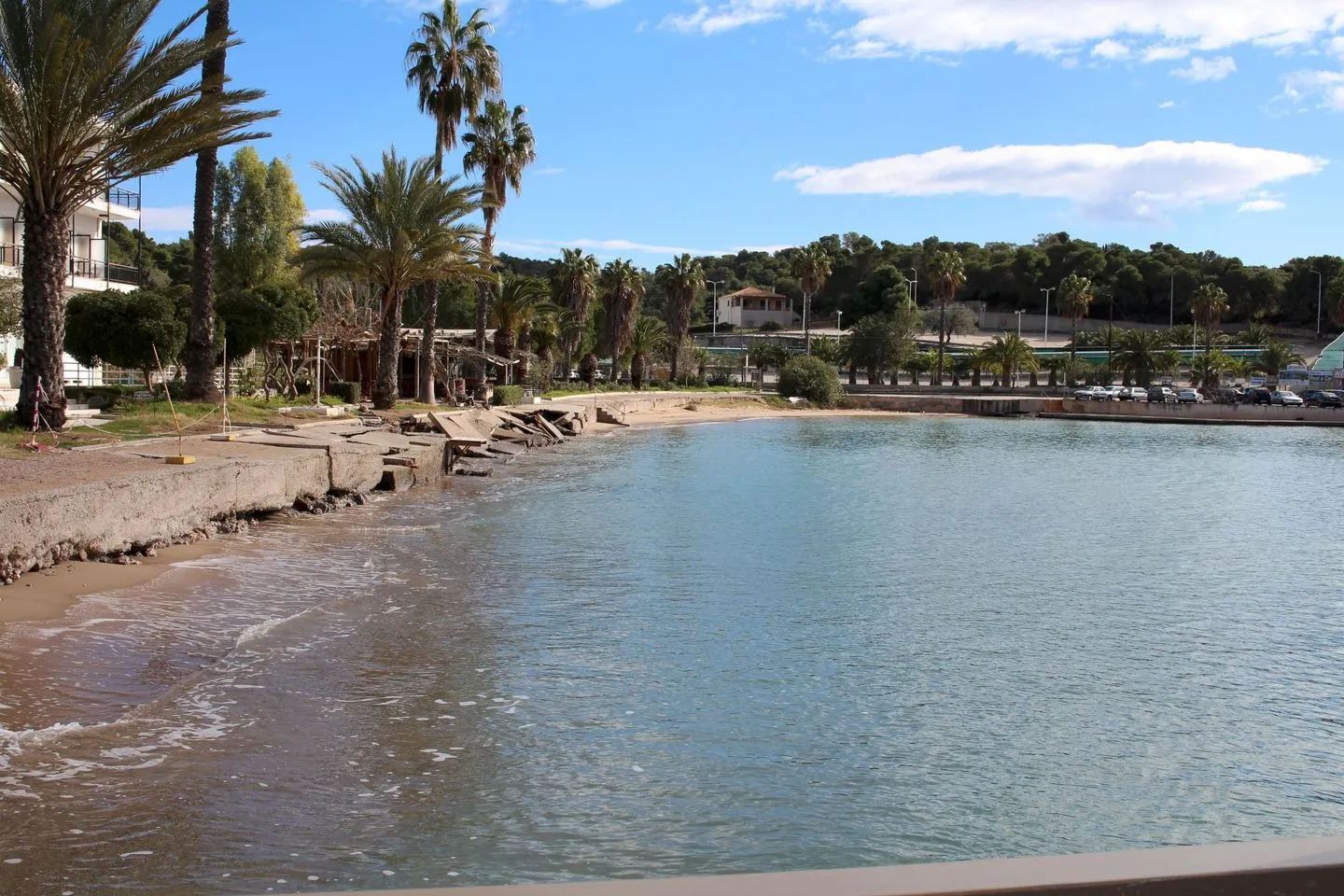
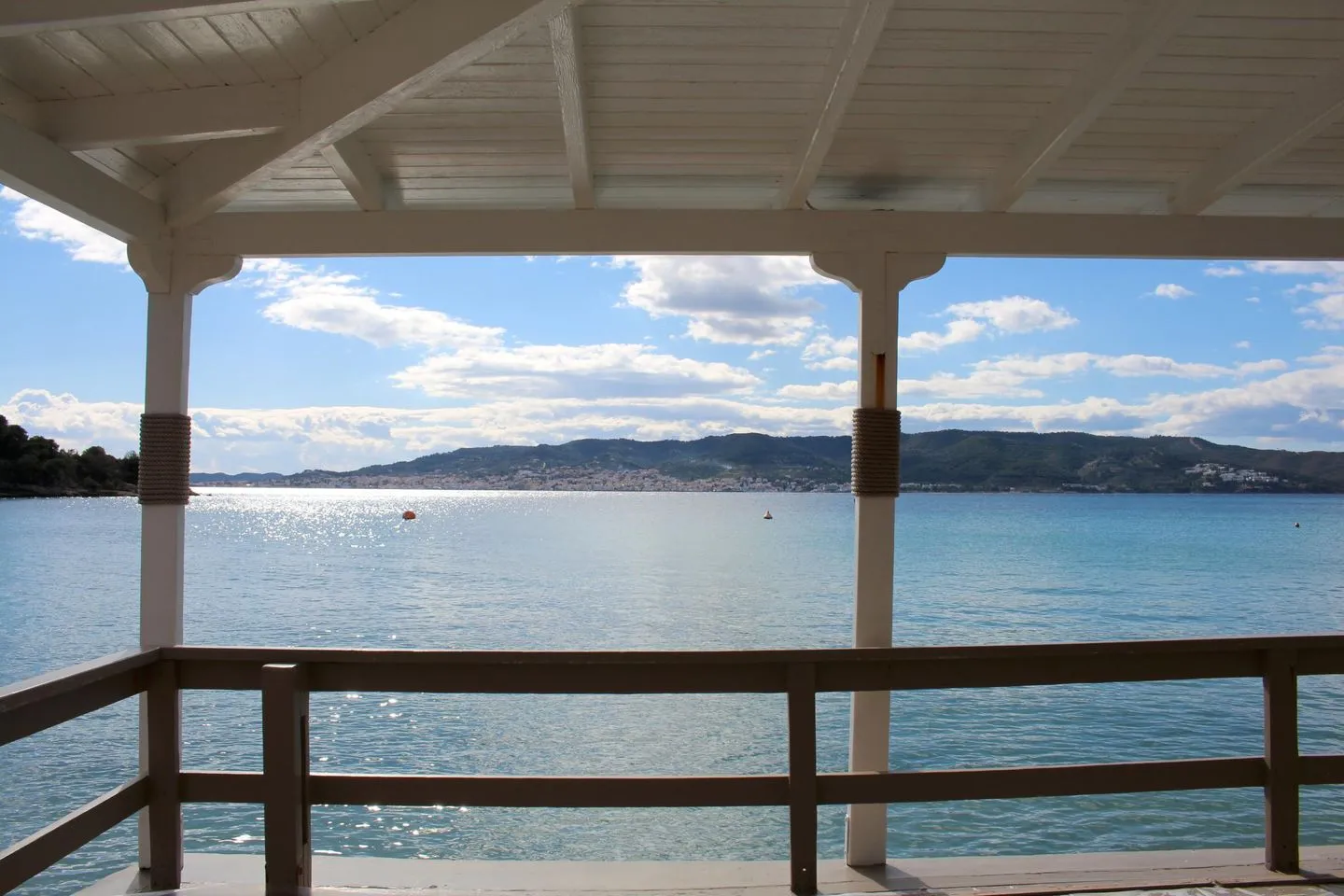
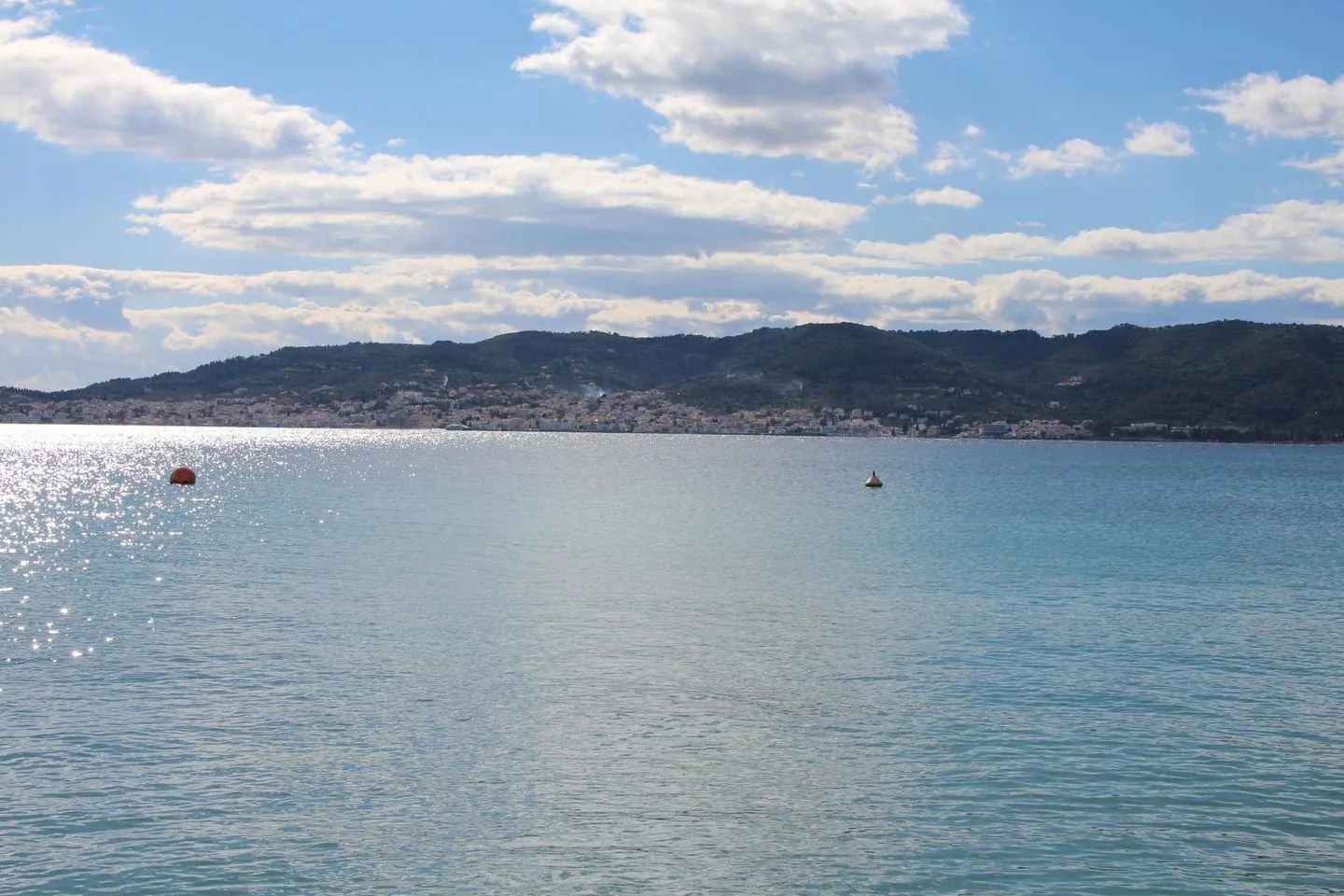
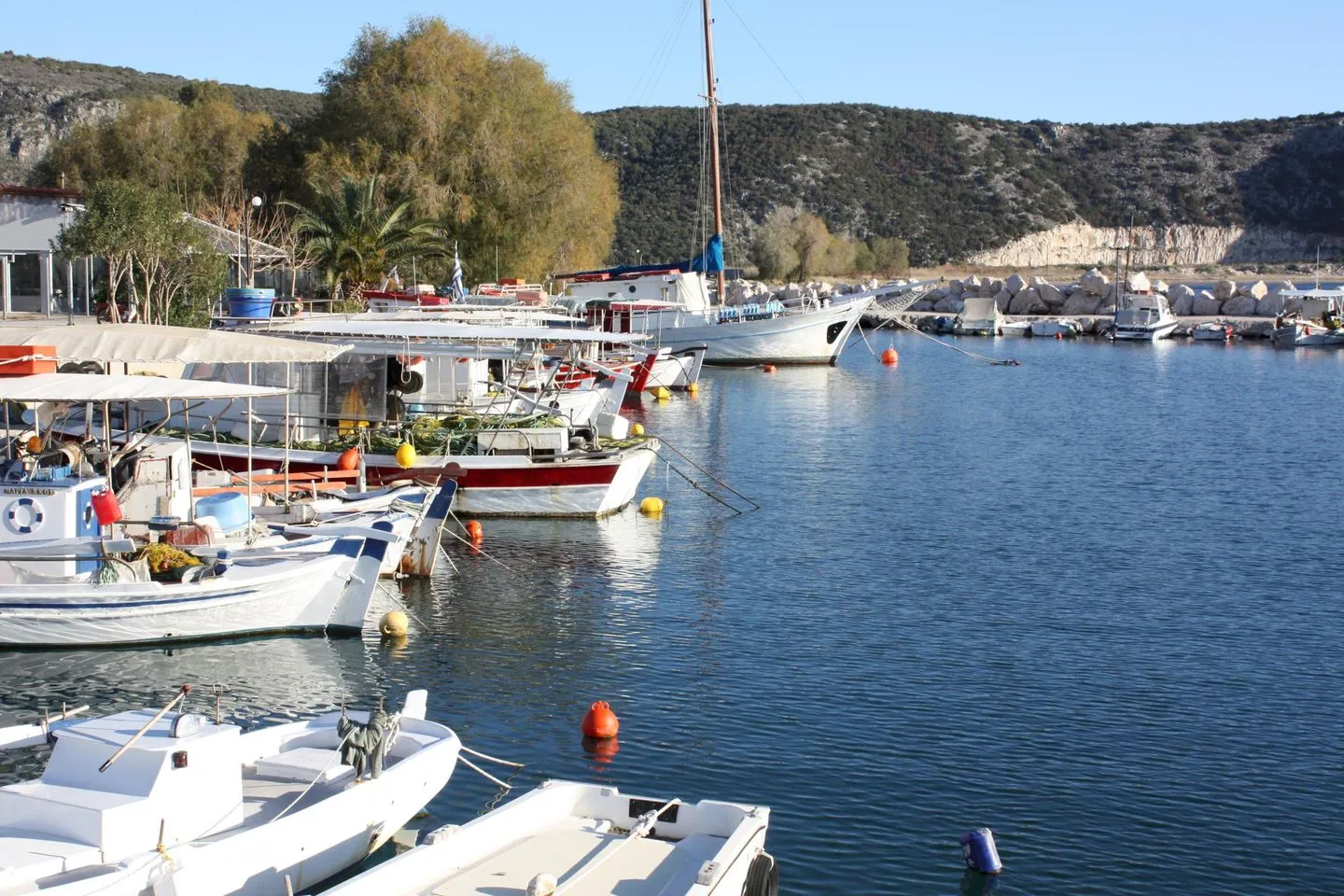
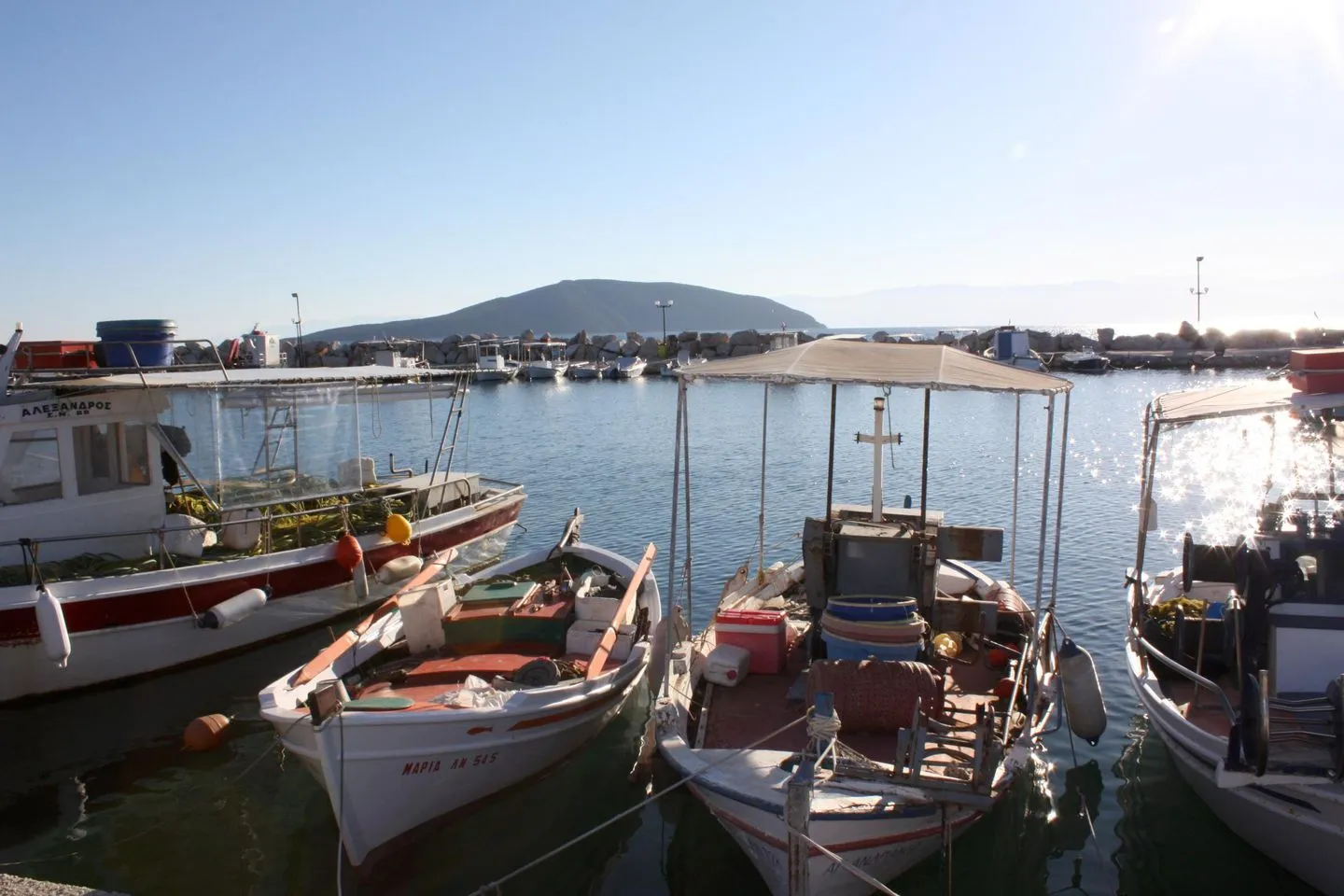
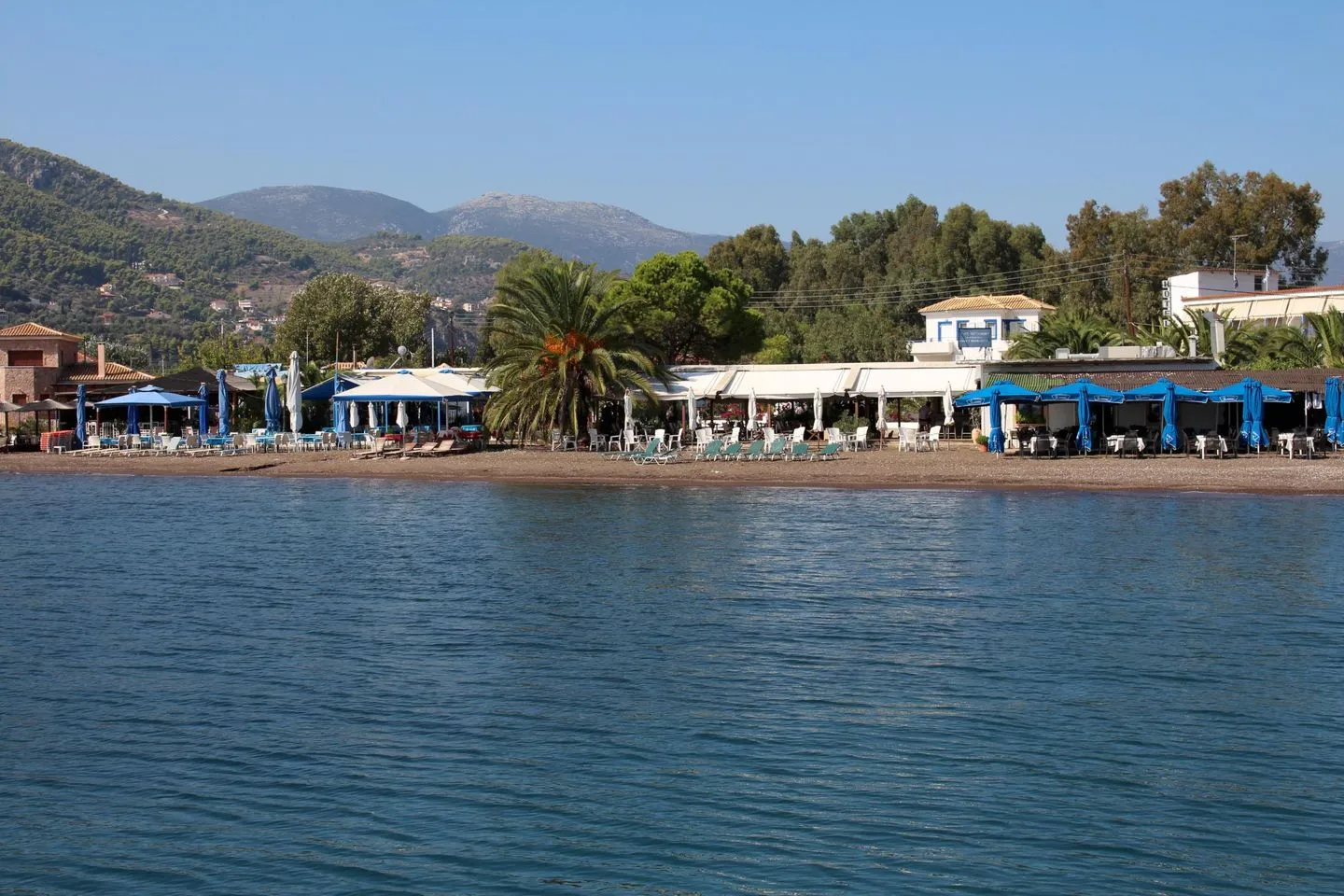
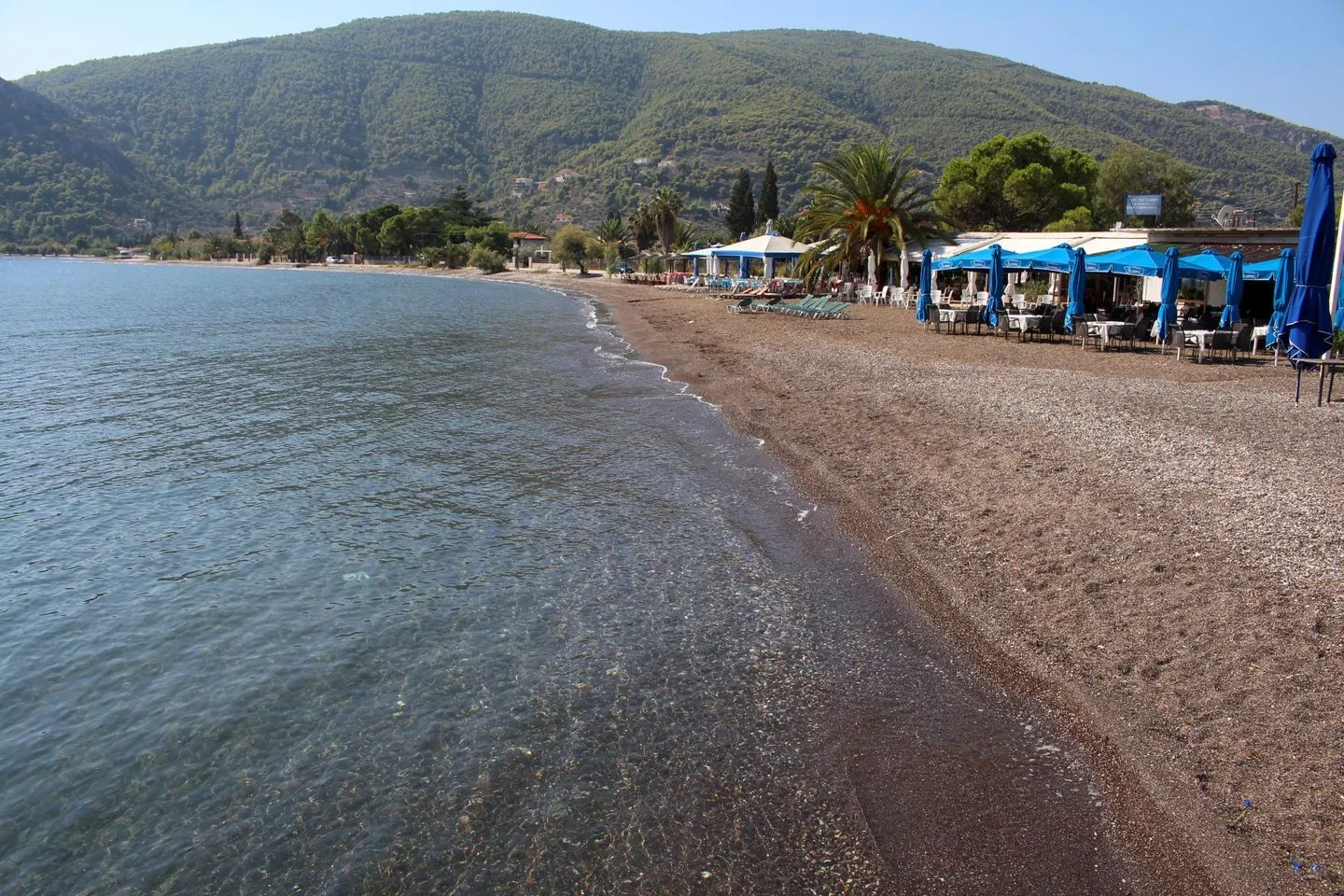
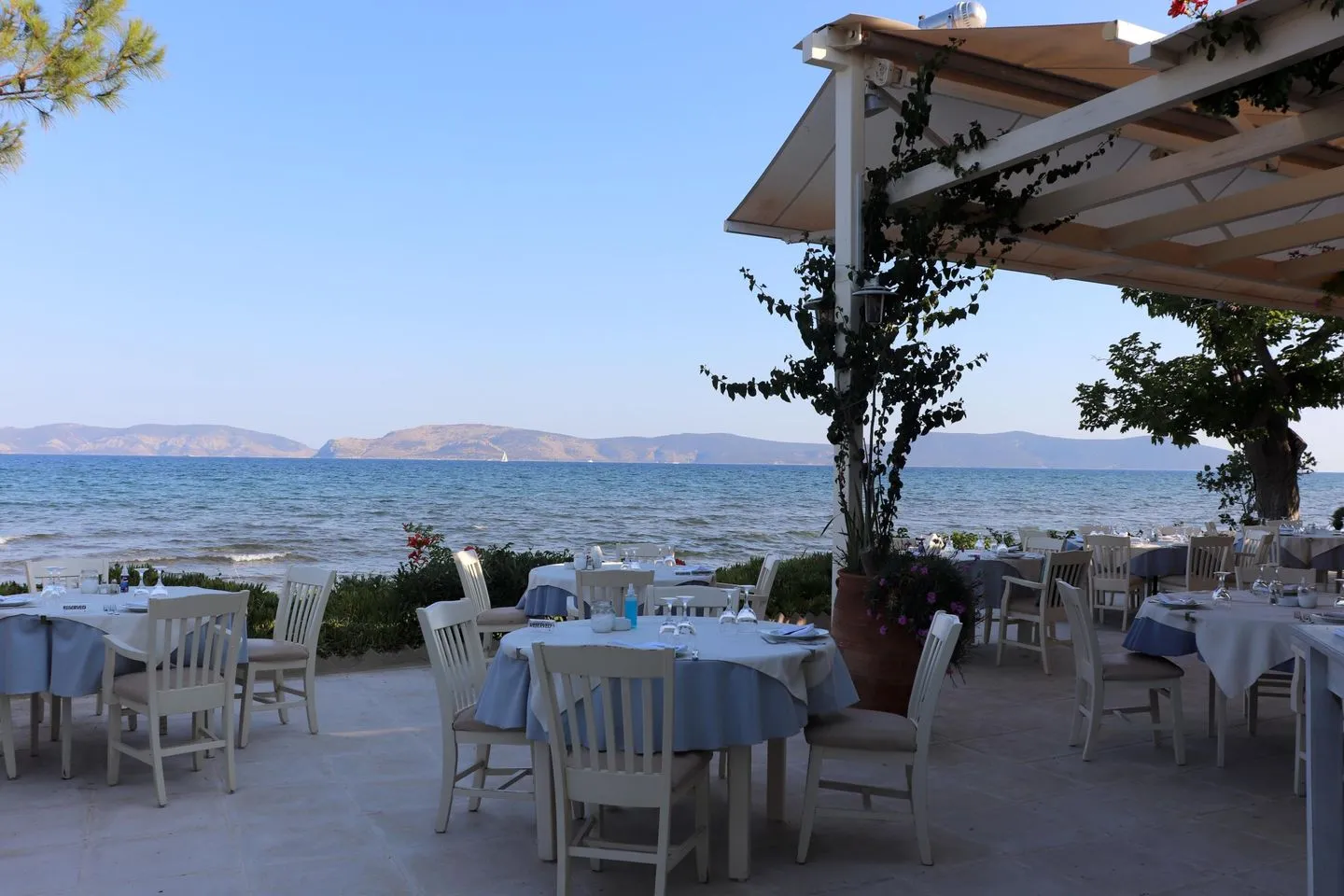
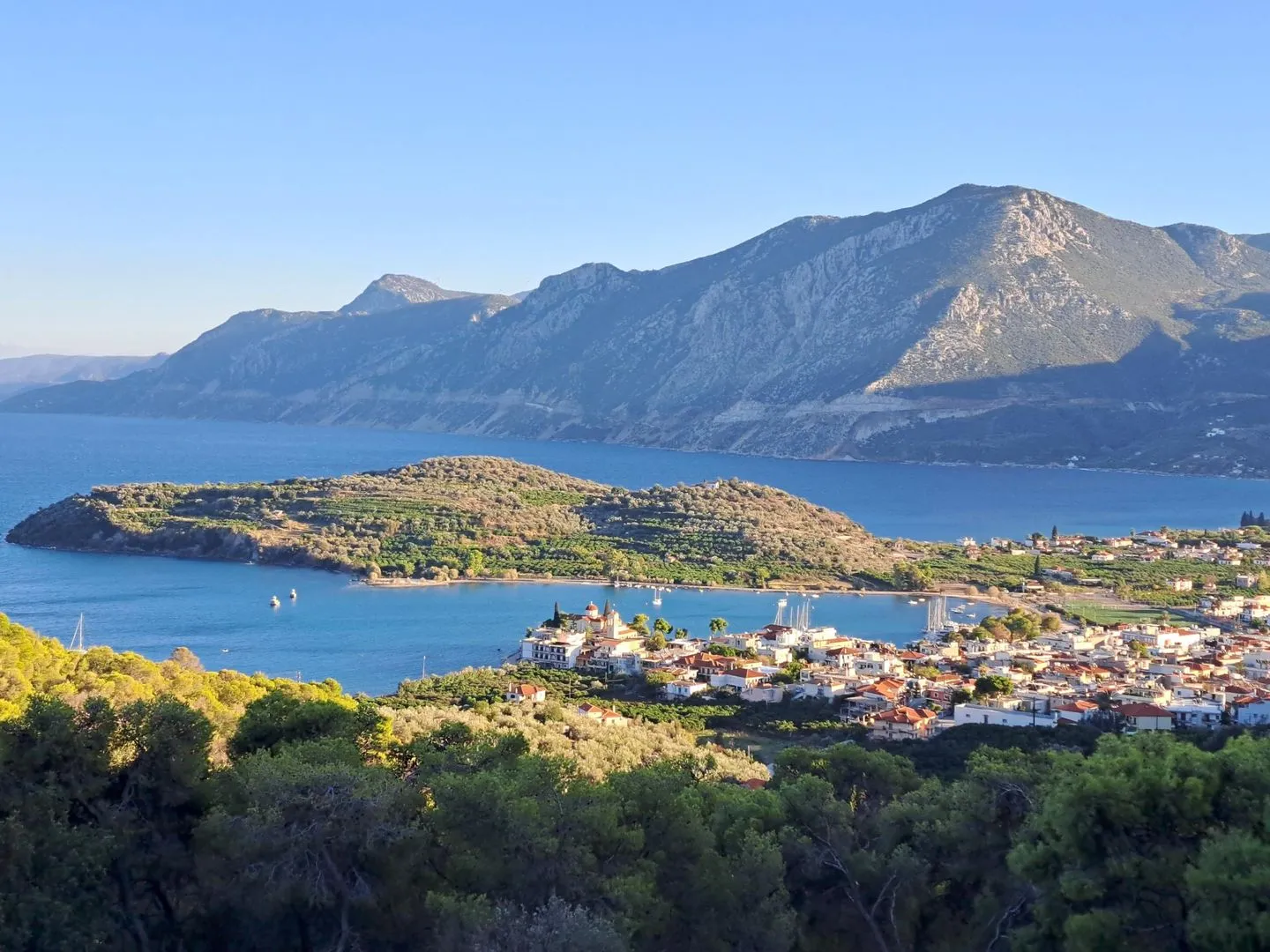
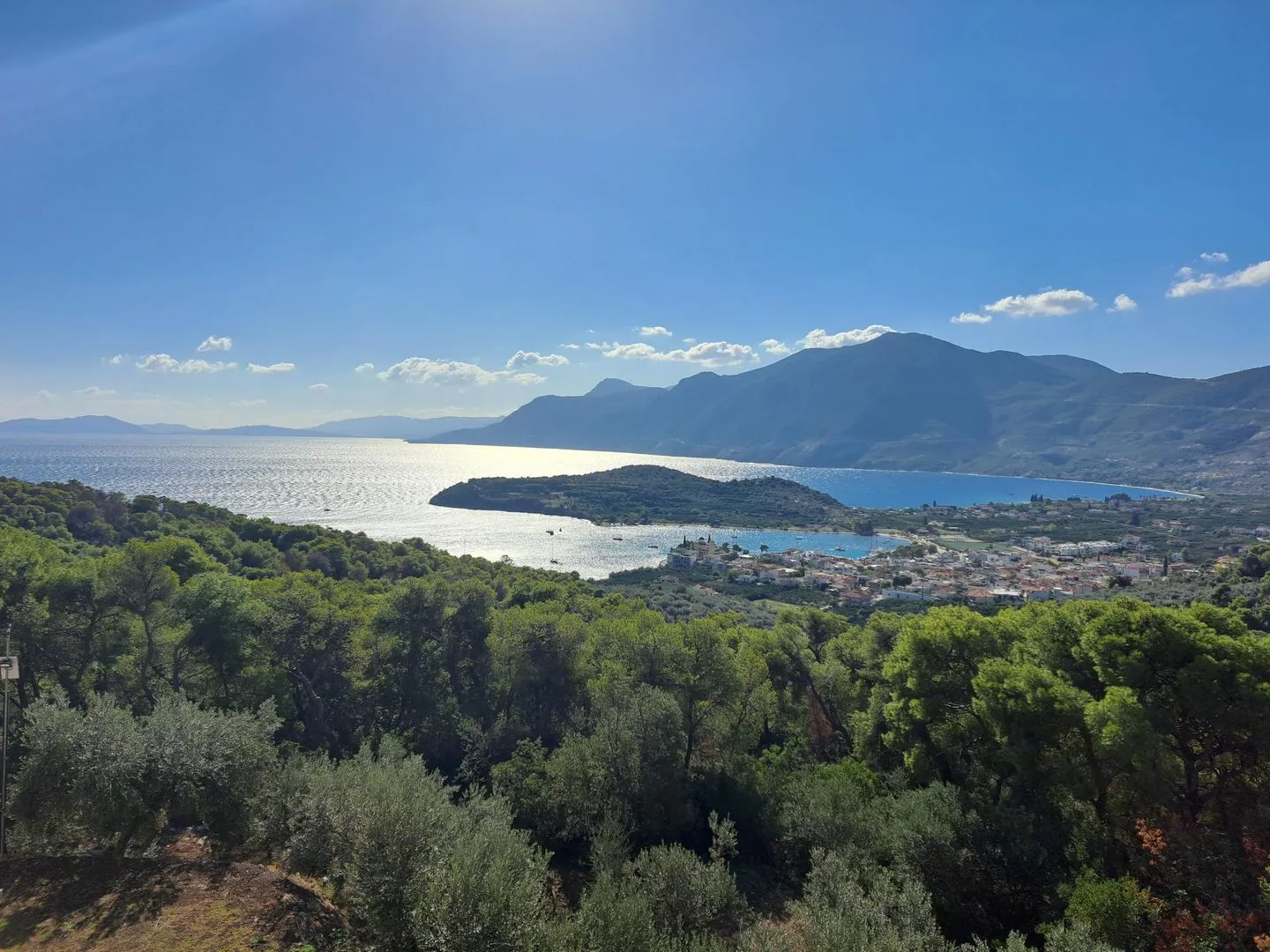
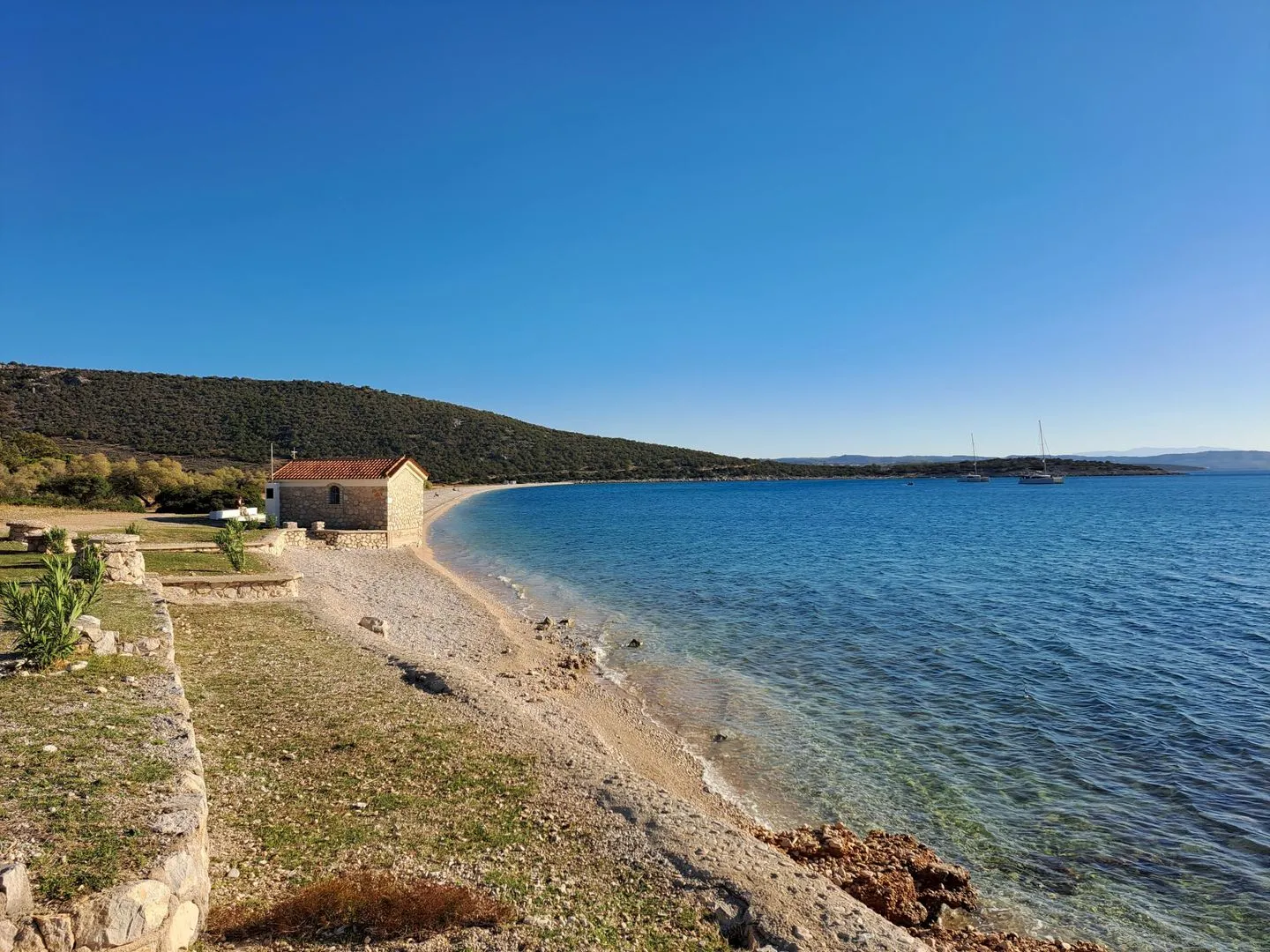
The coastline is beautifully varied, with numerous bays, offshore islands, granite-like mountains and unique biotopes. Behind long beaches, a wide and fertile landscape opens up. Anyone looking for sea views is guaranteed to find them here. One island follows another off the coast, while small harbors and lively villages shape the region, whose residents are known for their exceptional hospitality.
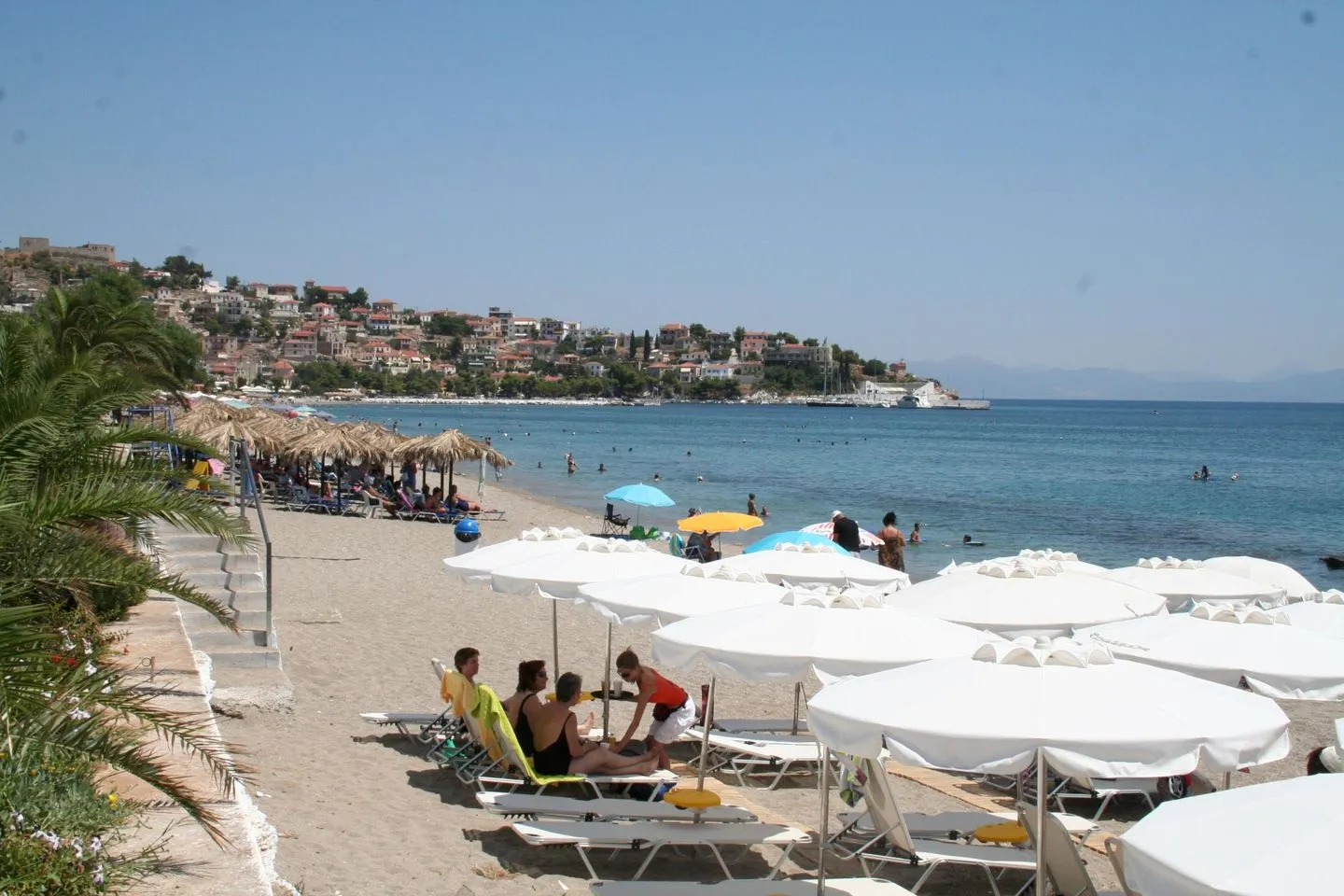
Water temperatures start at around 16 °C in April, rise to about 22 °C in June, reach up to 26 °C in July and August, and remain pleasantly warm until October (around 22 °C). In November, they drop to about 19 °C.
Psili Ammos (Tolo / Assini)
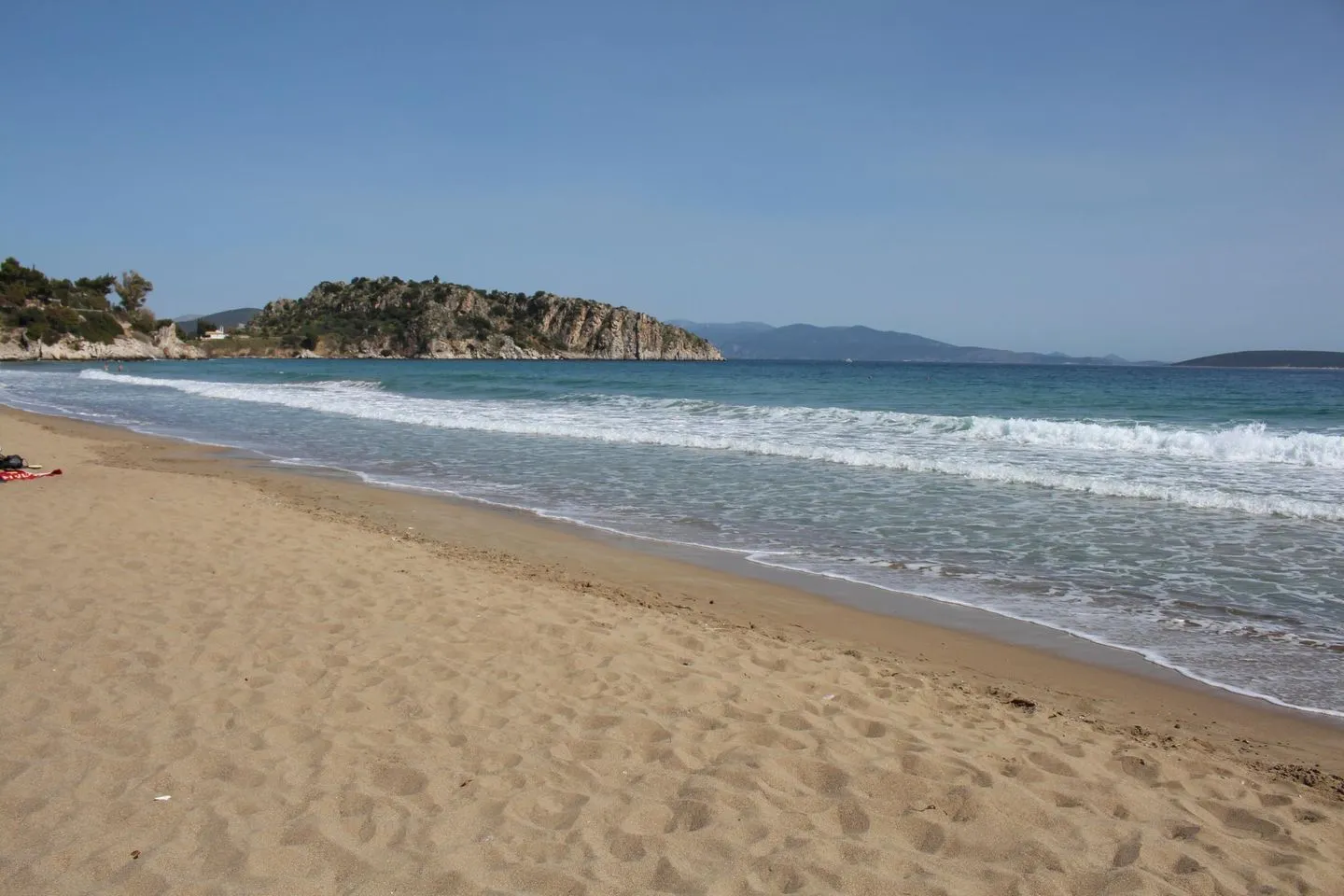
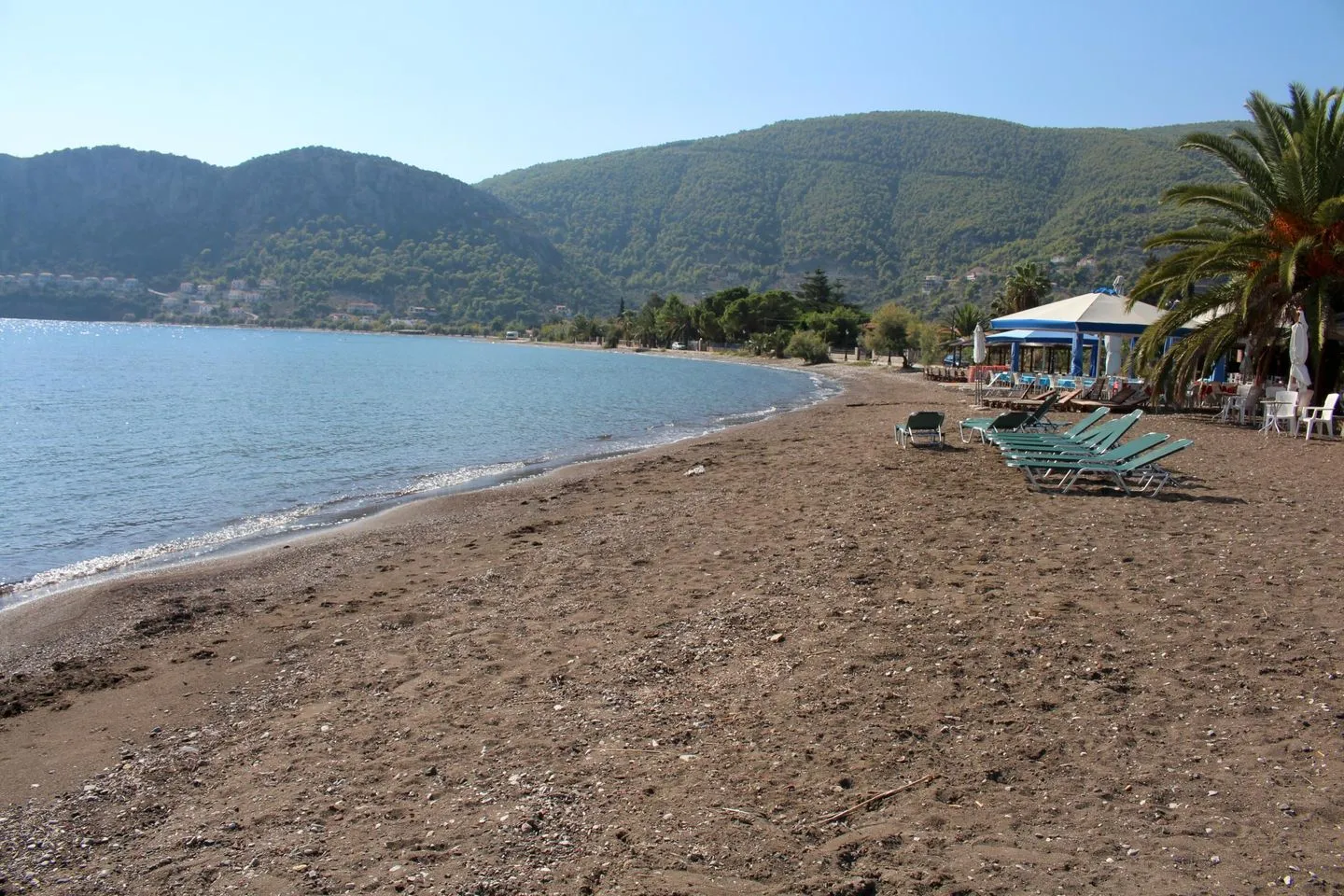
Fine sandy beach with shallow waters in the sheltered Argolic Bay. During the summer months, there is a beach bar as well as sunbed and umbrella rental; otherwise, it remains largely unspoiled.
Karathonas (near Nafplion, approx. 3.5 km)
The largest sandy bay in the region, gently sloping and ideal for families. Well organized with beach bars, sunbeds, water sports, tavernas and cafés.
Iria
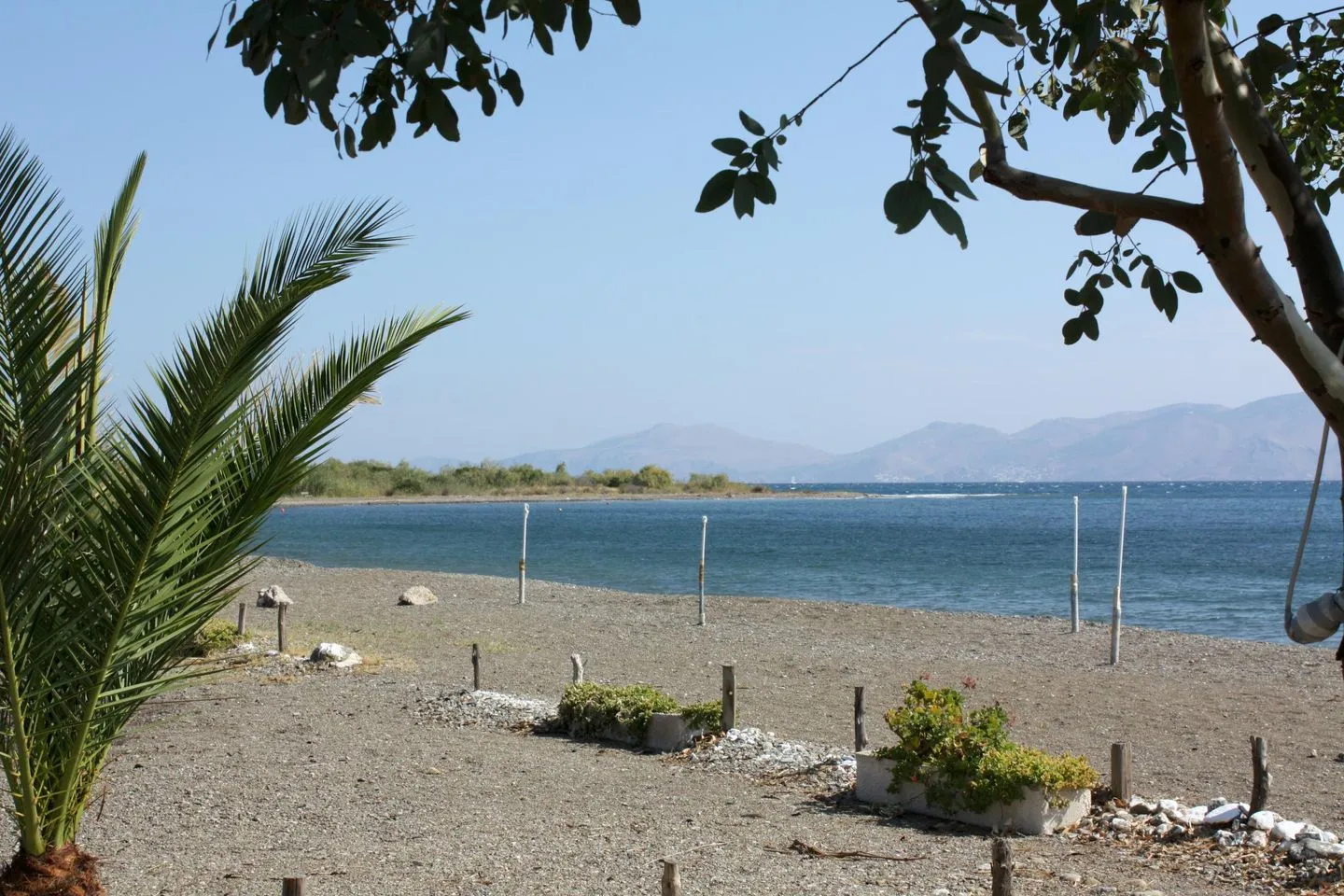
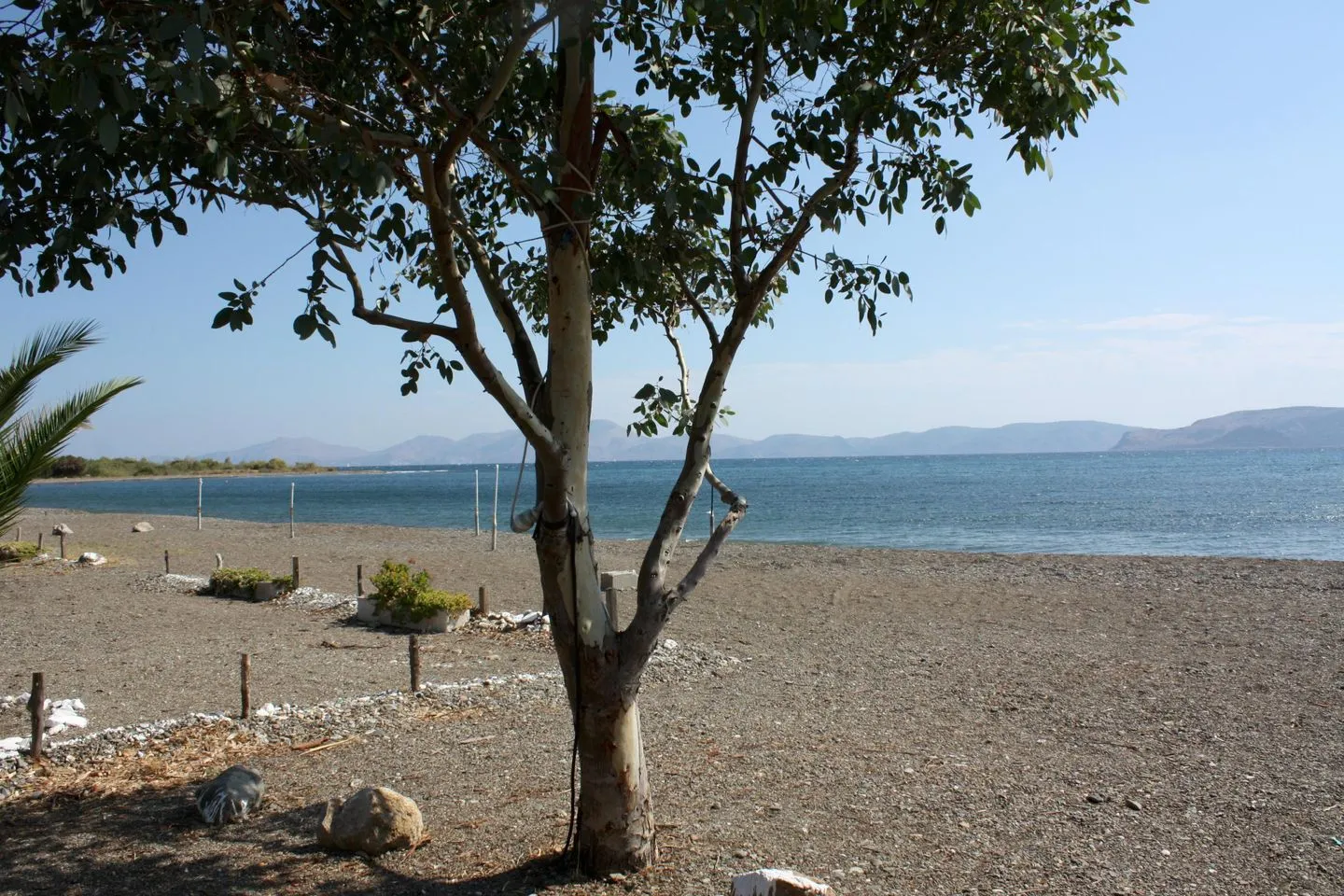
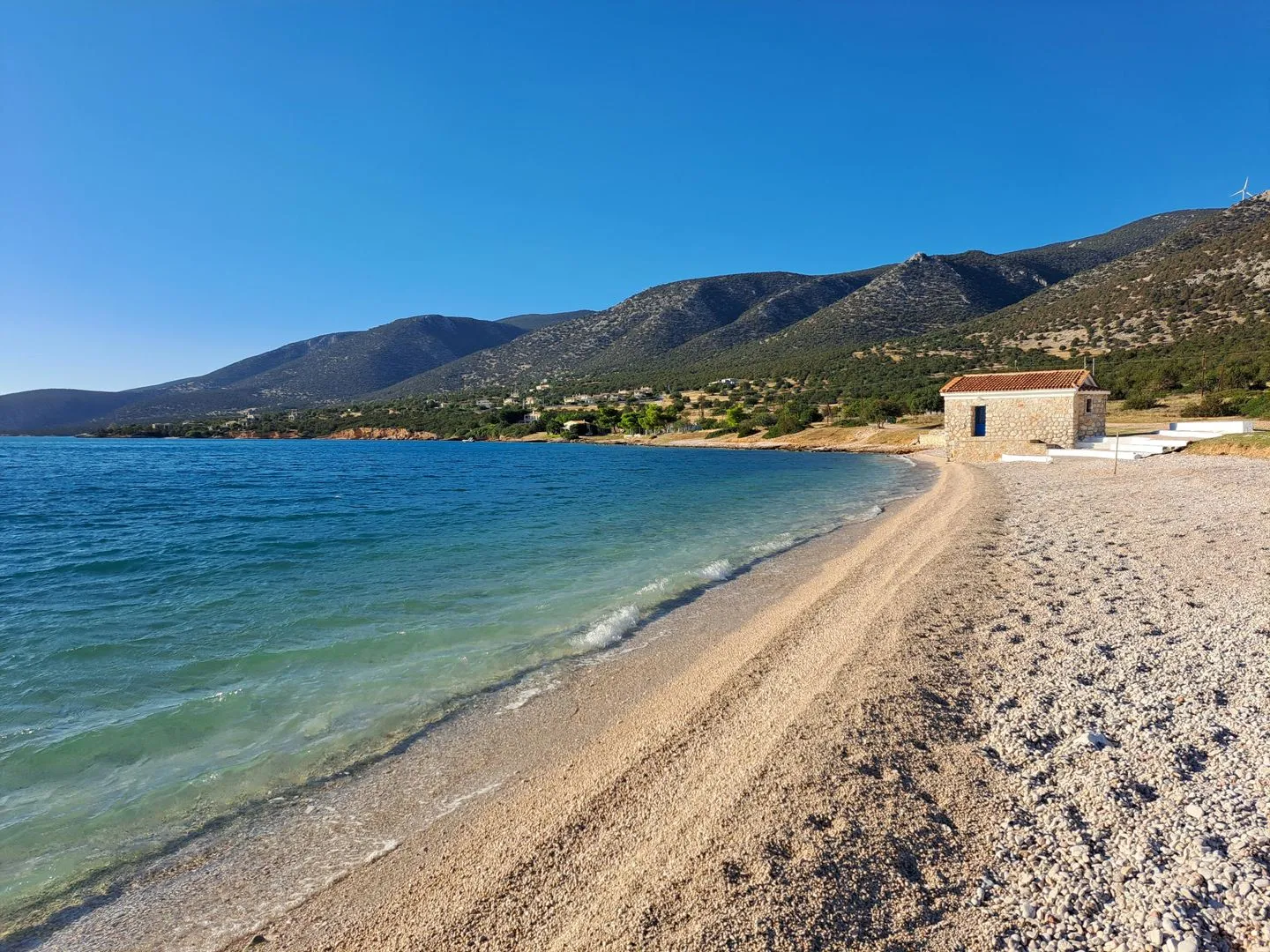
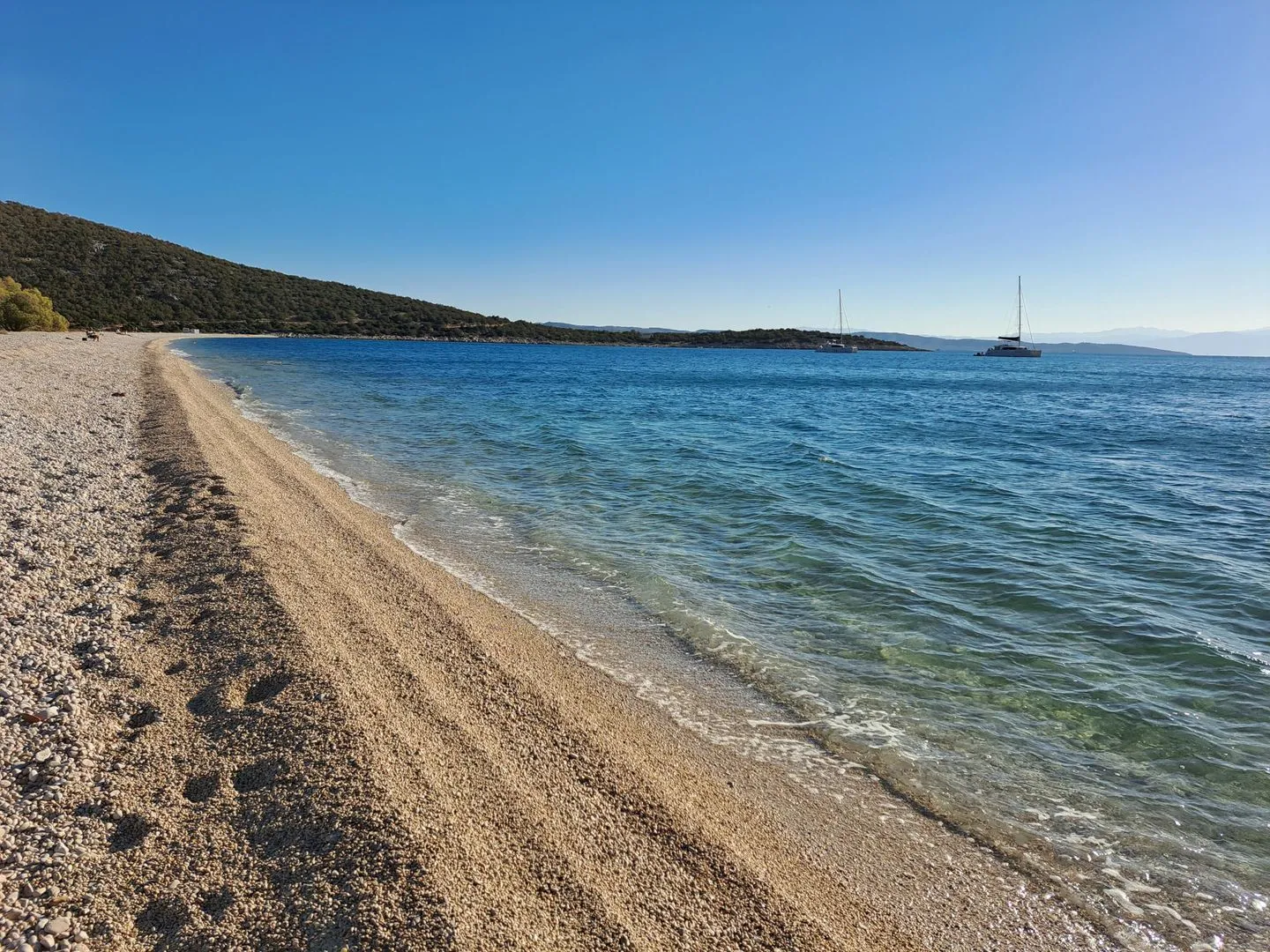
A long, fine pebble beach south of Nafplion; less developed for tourism and therefore pleasantly quiet.
Salanti Bay
A beautiful pebble beach with turquoise water, little known and therefore wonderfully idyllic. Around Agios Ioannis, you will find many small, romantic coves.
Porto Cheli / Ververonta
Kilometers of fine pebble beaches; Chinitsa Beach in the south of Argolis is a lovely fine sandy beach.
On Tolo Beach, you can try almost every kind of water sport: water skiing, windsurfing, jet skiing, diving, pedal boating, banana rides, fishing or canoeing.
Kitesurfing
In Nea Kios, in the bay near Nafplion, professional kite schools offer lessons and equipment rental.
Diving
Tolo has a modern diving center with a certified diving school – suitable for both recreational and professional divers.
Website: www.introdive.gr
In a small valley near the ancient harbor, the Sanctuary of Asklepios was established and had already become an important pilgrimage site by the 4th century. Every four years, the Asklepia took place here – celebrations, competitions and theatrical performances.
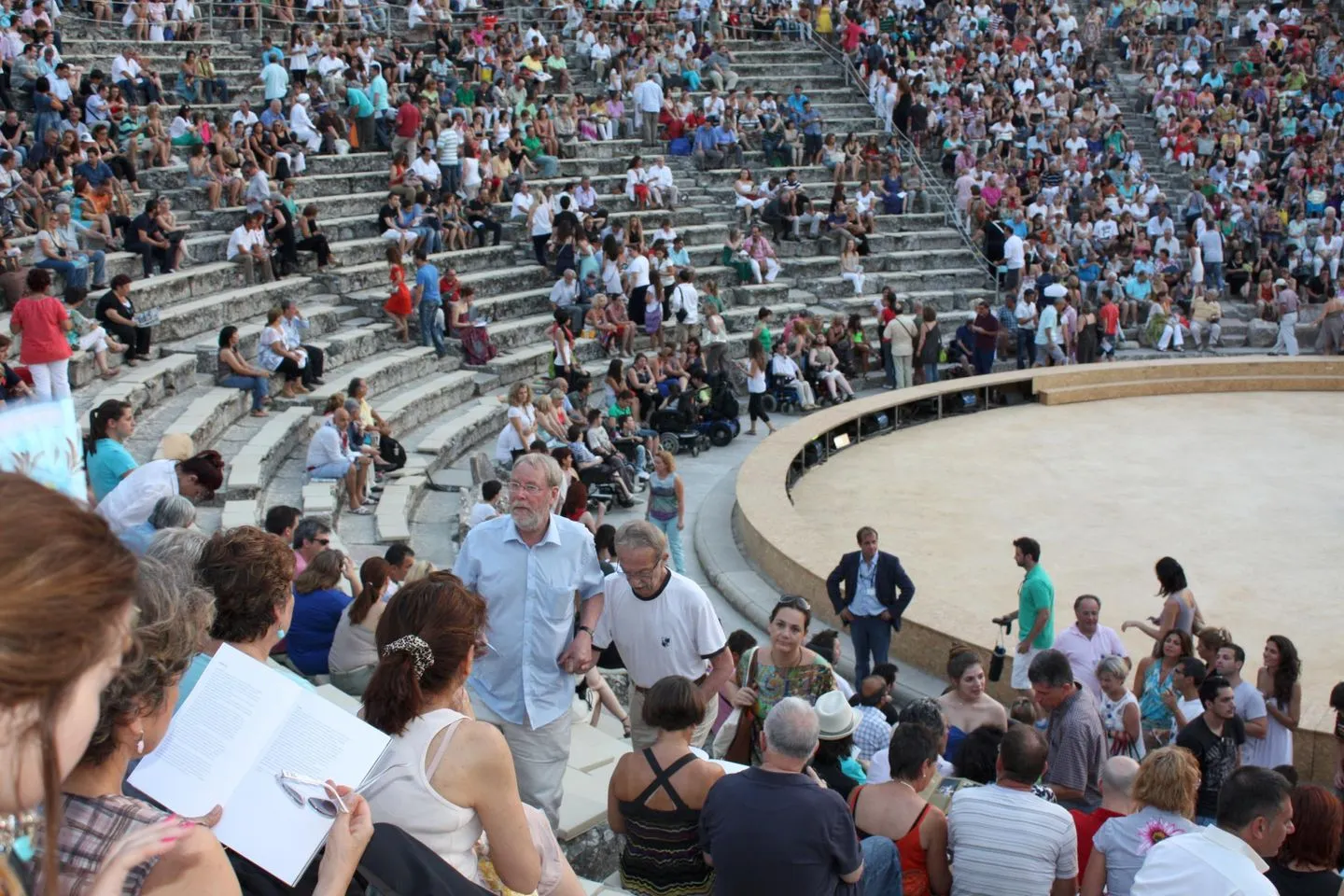
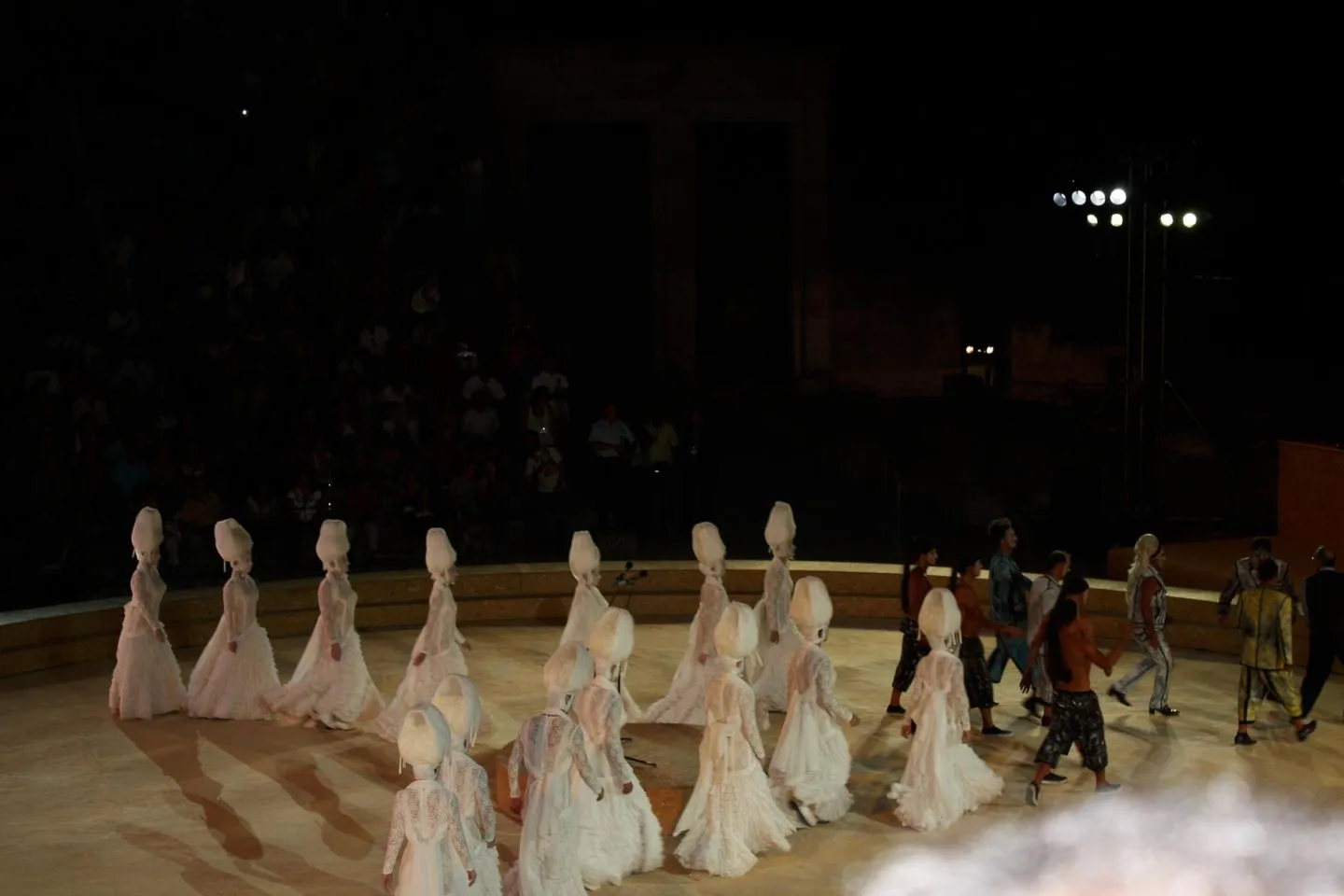
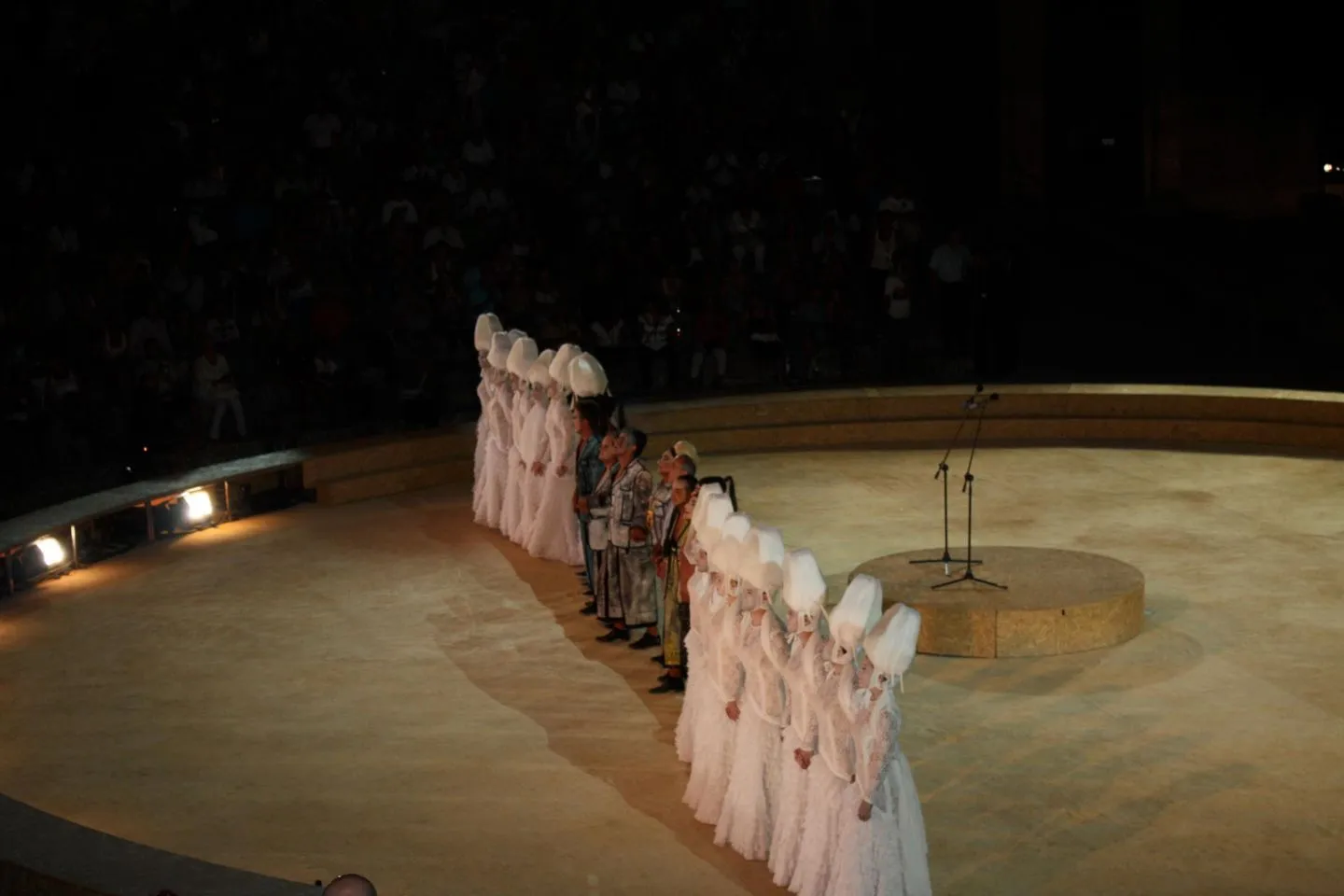
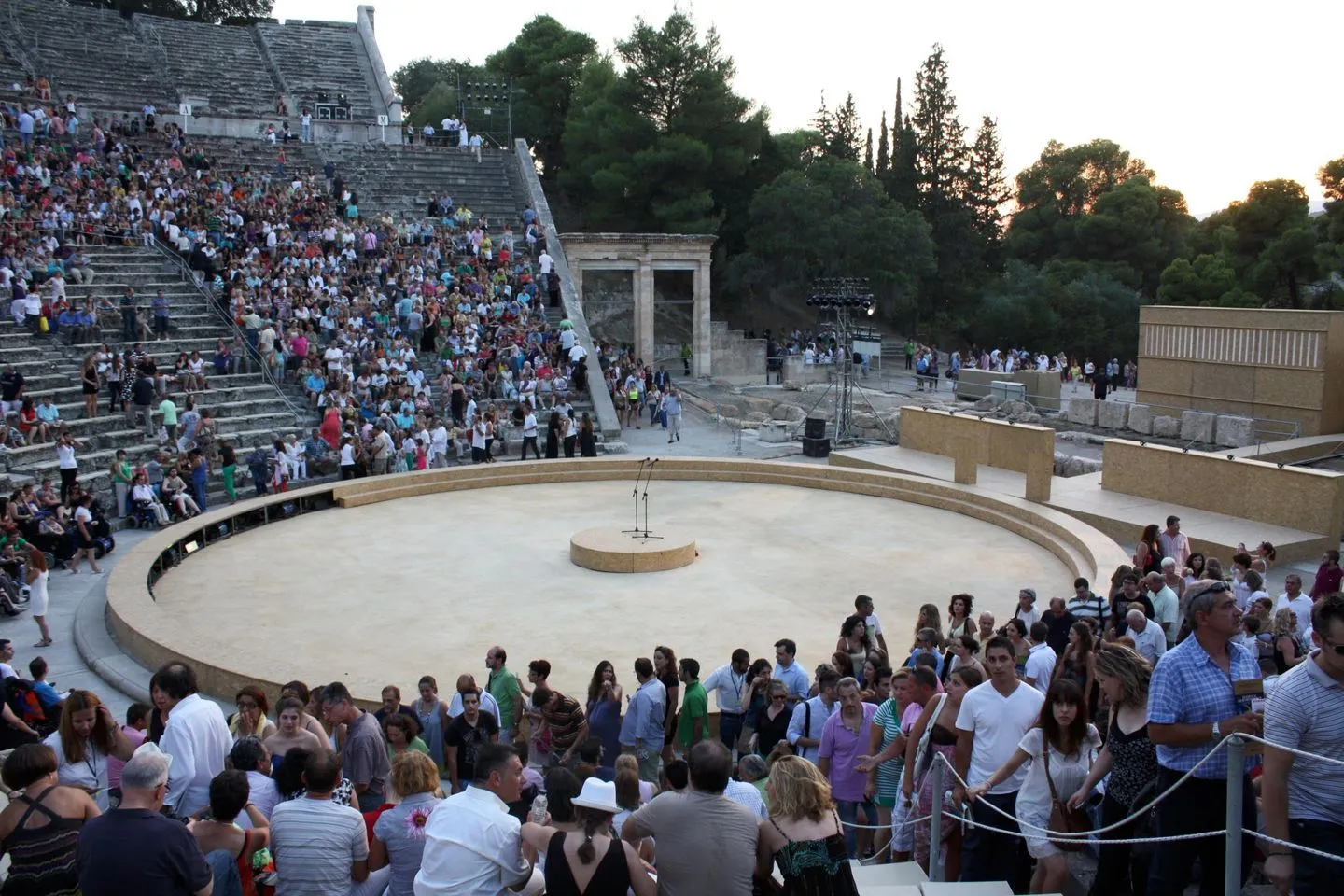
The famous ancient theatre of Epidavros is considered the most beautiful and acoustically perfect open-air theatre in the world. It seats around 15,000 spectators and is still in use today: from mid-June to the end of August, the well-known festival takes place here with theatre, opera, dance and concerts (partly with English subtitles). Tickets are available online at www.greekfestival.gr and also on site a few hours before the performance begins.
Next to the theatre lies the Sanctuary of Asklepios (UNESCO World Heritage Site) with many additional structures such as the bathhouse, gymnasium, palaestra, the Stoa of Kotys, the temples of Themis and Artemis, as well as the old Abaton. You should allow half a day for the visit – especially peaceful before 11 a.m.
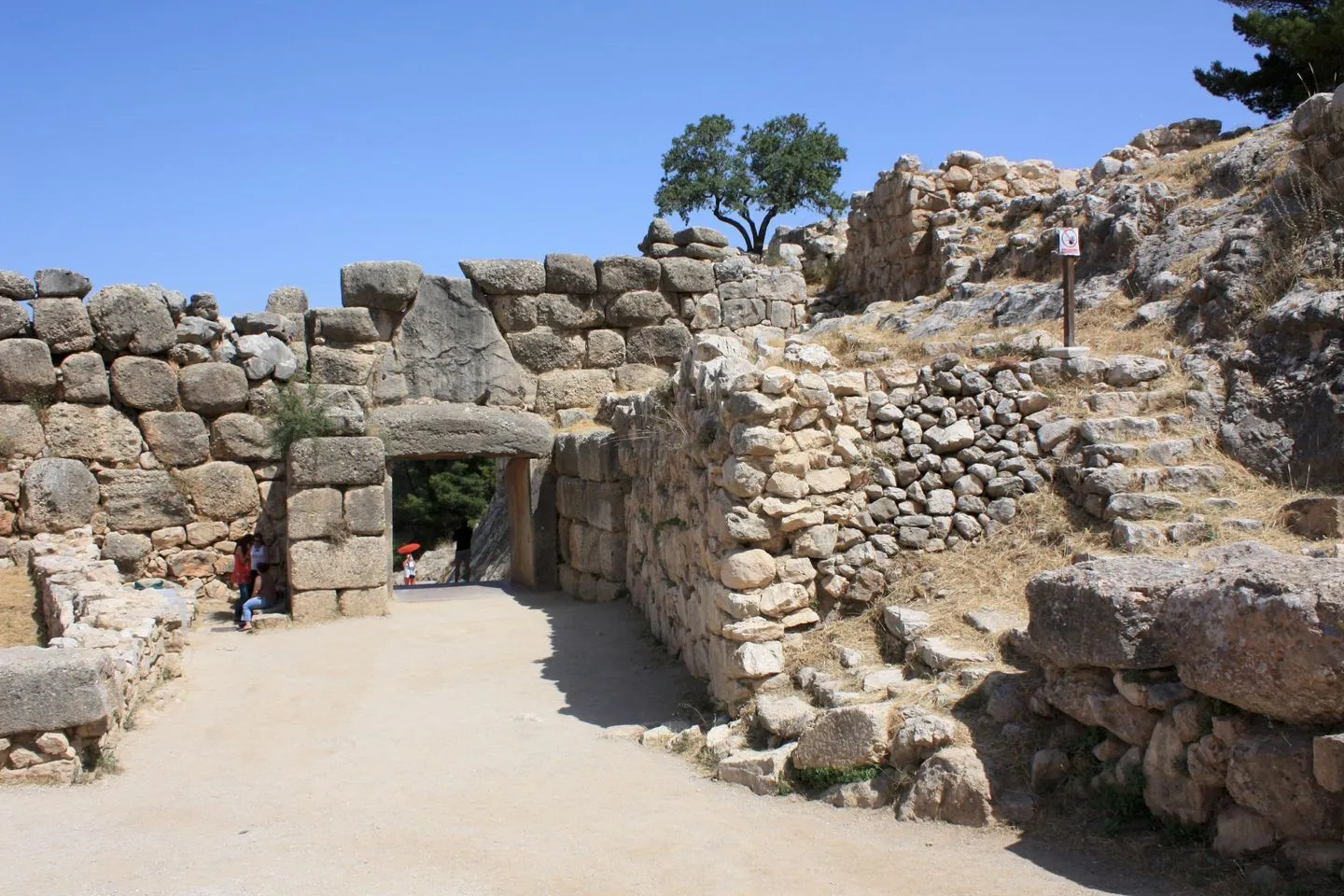
About 20 km north of Nafplion lies the Mycenaean citadel with its massive burial complexes, one of the most important archaeological sites in Greece.
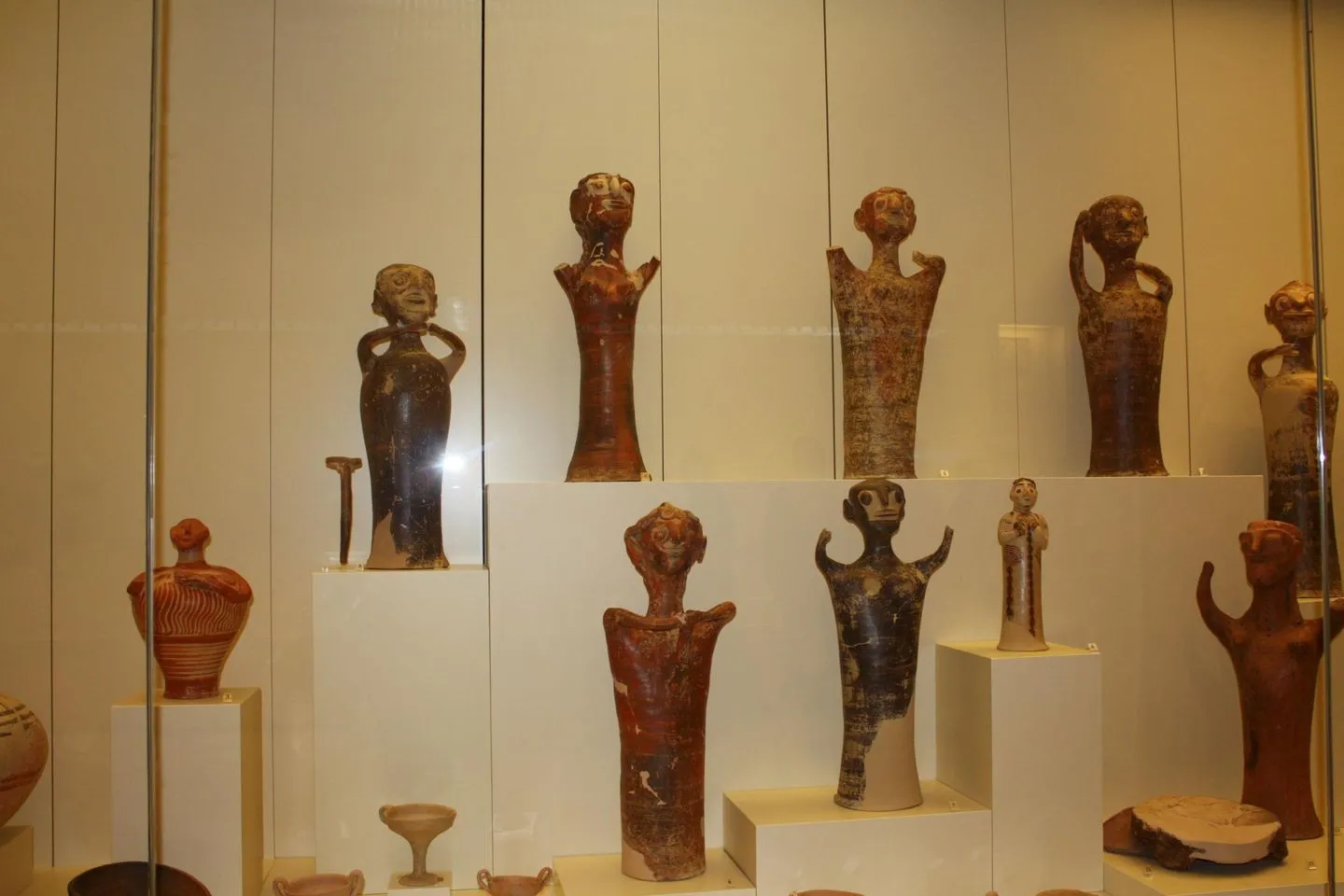
Famous highlights include the Lion Gate (approx. 1250 BC), the Cyclopean walls, the Tomb of Clytemnestra, Grave Circles A and B, and the impressive Treasury of Atreus, also known as the “Tomb of Agamemnon.” Many finds are now displayed in the National Museum in Athens. The major excavations took place in the 18th and 19th centuries, most notably by Heinrich Schliemann.
More information: www.namuseum.gr
The citadel of Tiryns is located about 5 km before Nafplion, directly by the roadside. It is smaller than Mycenae and therefore easy to explore. The first settlements date back to the 3rd millennium BC, and excavations began in 1884 by Schliemann and Dörpfeld.