The map cannot be displayed because you have not yet agreed to the use of GoogleMaps.
You can find the GoogleMaps privacy policy at https://policies.google.com/privacy?hl=en-US
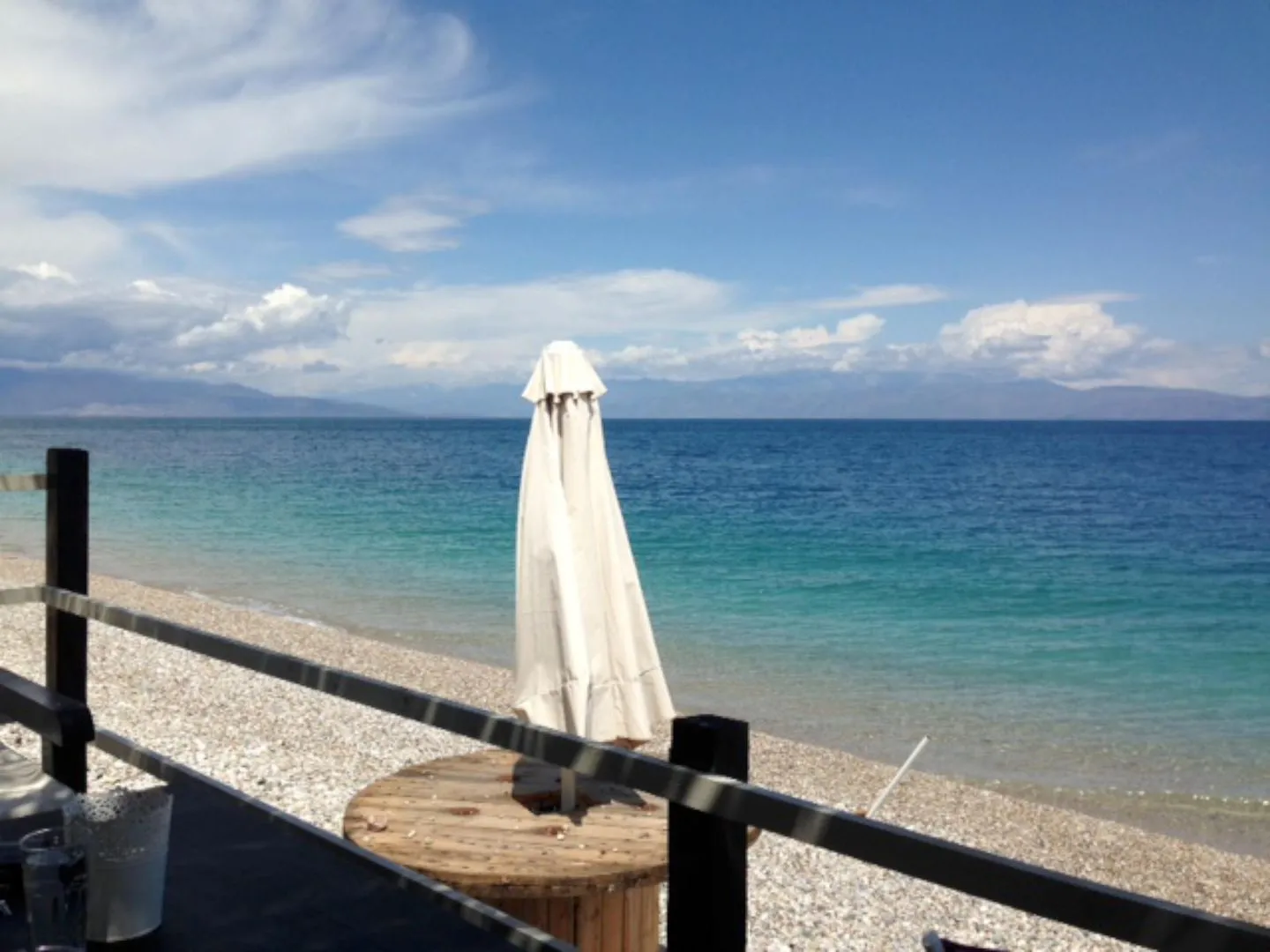
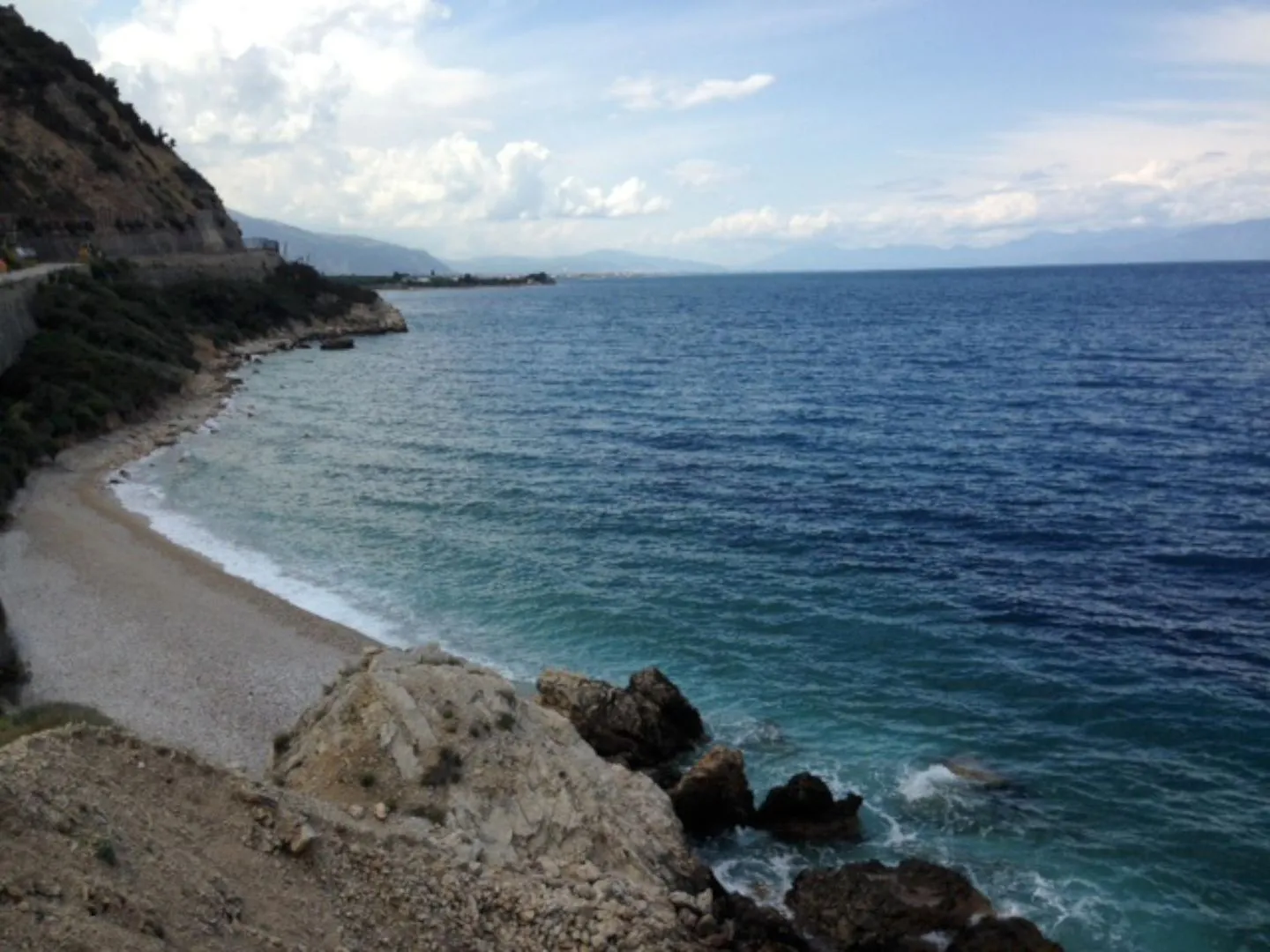
The narrow coastal region of the Peloponnese between the northern mountain ranges of Arcadia and the Gulf of Corinth is called Achaia. To the east, the region borders Corinthia, to the southwest Ilia, and to the south Arcadia. In the north, it is washed by the Gulf of Corinth and the Gulf of Patras, and in the west by the Ionian Sea. Clean, long beaches, charming small towns along the coast and inland, interesting port towns, numerous historic monasteries, olive groves, vast orange plantations, towering mountains, lakes, and gorges make up this region of northern Peloponnese. Achaia is less developed for tourism than other Greek holiday regions. Visitors can expect beautiful, intact, yet undiscovered nature. The fertile plains along the coast and valleys, cultivated with olives, grain, wine, and currants, make it one of the most productive areas of the Peloponnese. The commercial center and capital of the prefecture is the port city of Patras, which serves as a gateway to Greece due to its ferry connections to and from Italy.
Travelers usually pass through Achaia only on the way to the western and southern Peloponnese, as there are few major attractions in this region. For independent travelers, this is an opportunity to explore undisturbed by tourist traffic.
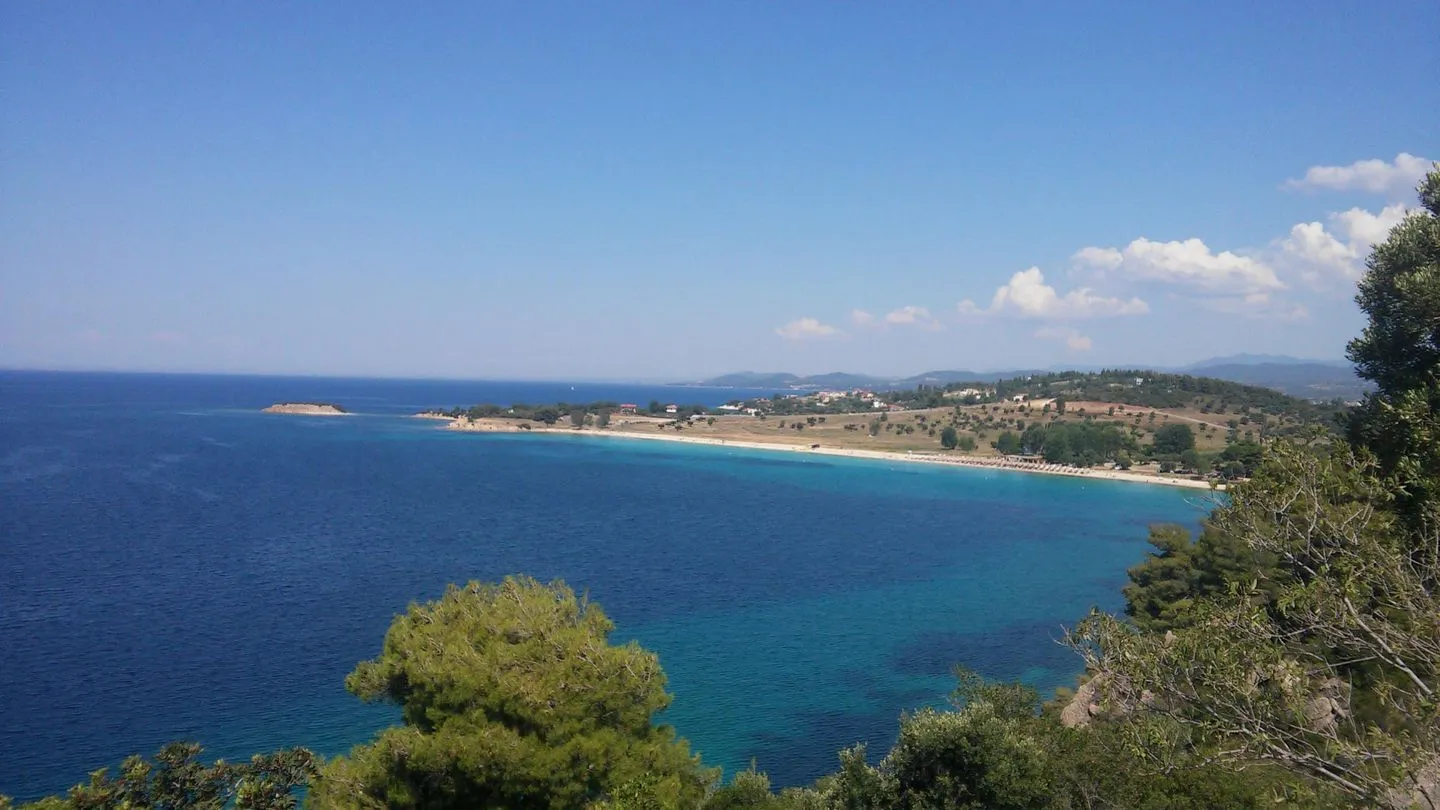
Beach tourism stretches along the northern coastline of the Gulf of Corinth, west of Aigira to Rio and Patras, as well as along the western coast near Kalogria, and is especially popular with locals. On the northern slopes of Chelmos, there is the well-developed ski resort of Kalavryta, several monasteries, and beautiful hiking trails. Swimming, cycling, hiking, and diverse historical excursions make this prefecture appealing to visitors. The mountainous part of the region is ideal for eco-tourism, especially around the Helmos, Erimanthos, and Kalavryta mountain ranges.
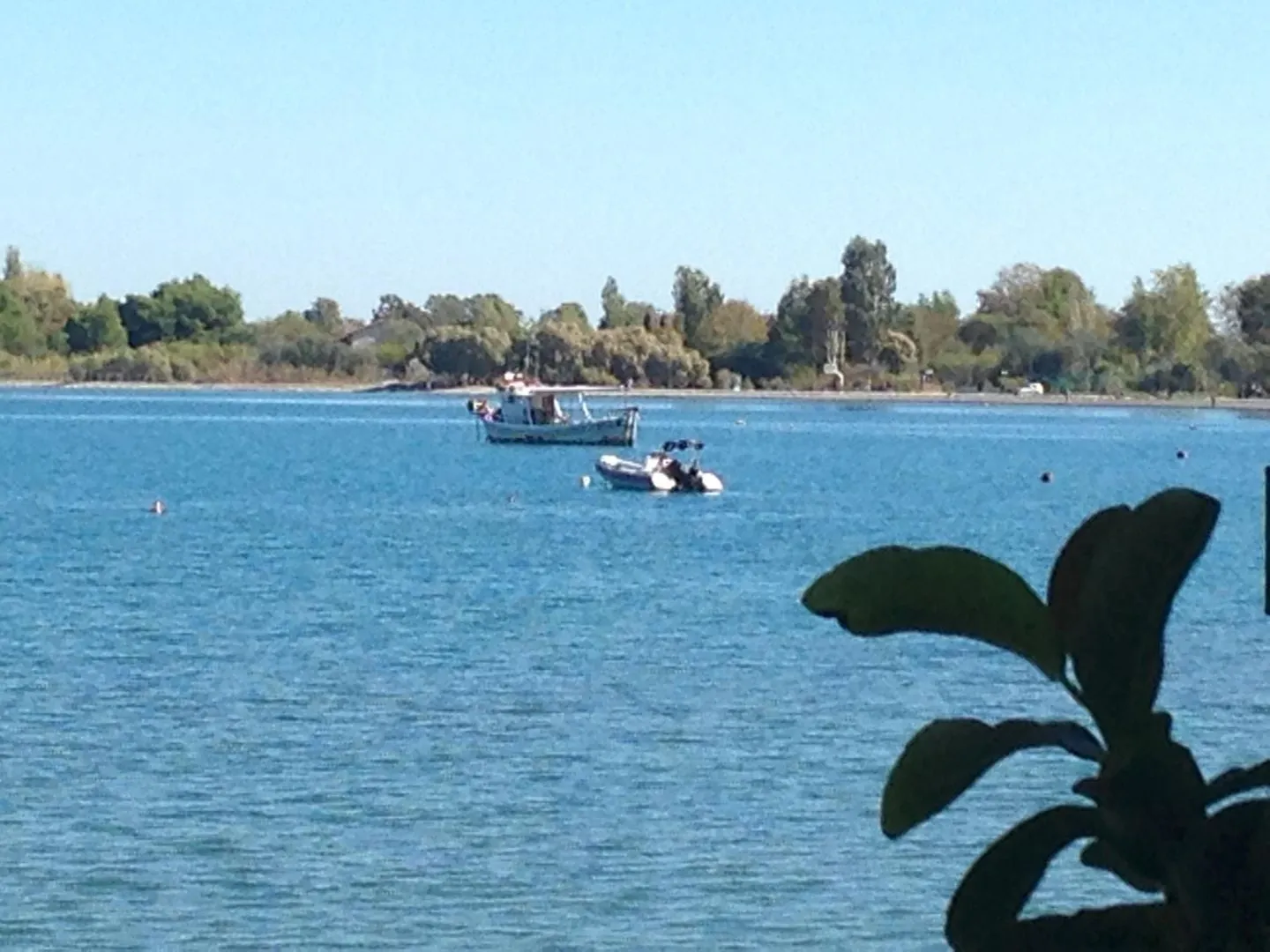
Water temperatures start at 16°C in April, reach 22°C in June, are warmest in July and August at up to 26°C, remain pleasantly warm at 22°C until October, and drop back to 19°C in November.
The long pebble beaches on the northern coast of Achaia at Platanos, Alykes, Nikolaika, and the small towns along the Gulf of Corinth have well-developed infrastructure. South of Patras lies the Araxos Cape with its long sandy beach of Kalogria, the Strofilia wetland behind it, and Kalogera Lake. East of Araxos Cape, on the western coast of Achaia, lies the fine pebble beach of Grinitsa with beach bars and sunbed rentals.
Kitesurfing: Qualified kite schools offer lessons at Rio Cape near Patras.
The port city with around 200,000 inhabitants is the largest city in the Peloponnese and the third largest in Greece, an important industrial and economic center. Its busy port with ferry connections to Ancona, Venice, Brindisi, and Bari serves as the gateway to the Peloponnese.
Rio lies directly on the sea about 10 km northeast of Patras at the narrowest point between the Peloponnese and the mainland. Until 2004, the ferry from Rio to Antirio was the only connection to the opposite coast. Shortly before the Athens 2004 Olympics, the 2.2 km long “Charilaos Trikoupis” suspension bridge was officially opened. Its construction lasted about 4 years and cost around 700 million euros.
Forested slopes, rushing rivers, a ski resort, and the famous Odontotos cog railway, which climbs Helmos to reach Kalavryta station. The route from Diakofto to Kalavryta has been popular for over a century in all seasons. Between tunnels, vertical cliffs, and the Vouraikos river, the picturesque train slowly climbs the green slopes of Helmos.
On the northwest side of Helmos at Vathi Laka, at altitudes from 1650 m to 2340 m, lies the Kalavryta ski resort. It features the highest ski lift in Greece, offering magnificent views of the Gulf of Corinth and the opposite coast. Operational since 1988, it has 7 lifts, 12 slopes including moguls, a freestyle snow park, cross-country trails, and snowmobile tours. Parking, cafes, restaurants, ski shops, ski school, ski rental, and first aid stations are available.
About 17 km south of Kalavryta and 60 km north of Tripolis, near the village of Kastria, in the limestone of Mount Amolinitsa within the Helmos mountains, lies the Cave of the Lakes. The explored length is 1980 m, with around 500 m accessible to visitors. The cave features 13 lakes on three levels and impressive natural formations.
Above the village of Zachlorou, clinging to a 100 m high cliff, is the historic Mega Spileon Monastery. Founded in 840, it houses the historic Panaghia Chrisospiliotissa Church and its 9th-century icon of the Virgin Mary.
About 5 km south of Kalavryta on the western slope of Helmos lies the Aghia Lavra Monastery from the 10th century. During the Greek War of Independence in 1821, it became a center of resistance.
On the northwest coast of the Peloponnese, between Patras and Aigio, nestled among dense olive groves and citrus plantations, lies the small coastal promontory of Mpouka below the village of Kamares. About 7 km west of Aigio on the blue sea is the small town of Selianitika. In these peaceful surroundings, modern holiday homes such as “Athina-Georgia” with a pool and the charming “To Meraki” in Selianitika are available.