The map cannot be displayed because you have not yet agreed to the use of GoogleMaps.
You can find the GoogleMaps privacy policy at https://policies.google.com/privacy?hl=en-US
The Ionian Islands are also known as the “Eptanissa,” meaning the “Seven Islands.” They include the larger islands of Corfu, Paxi, Lefkas, Kefalonia, Ithaki, Zakynthos, and Kythira, as well as many smaller inhabited and uninhabited islands. The island group is located in the Ionian Sea, west of the Greek mainland and the Peloponnese.
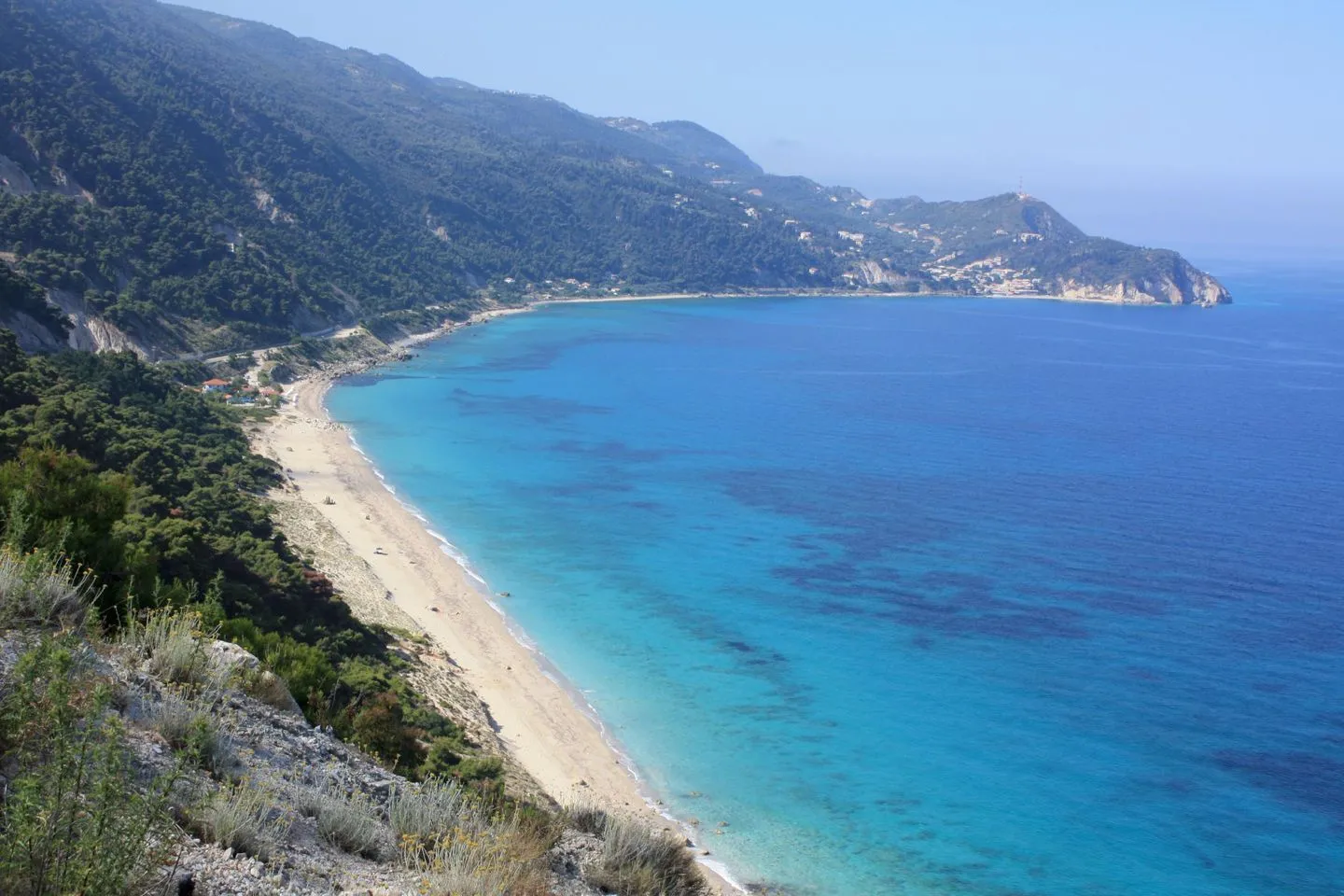
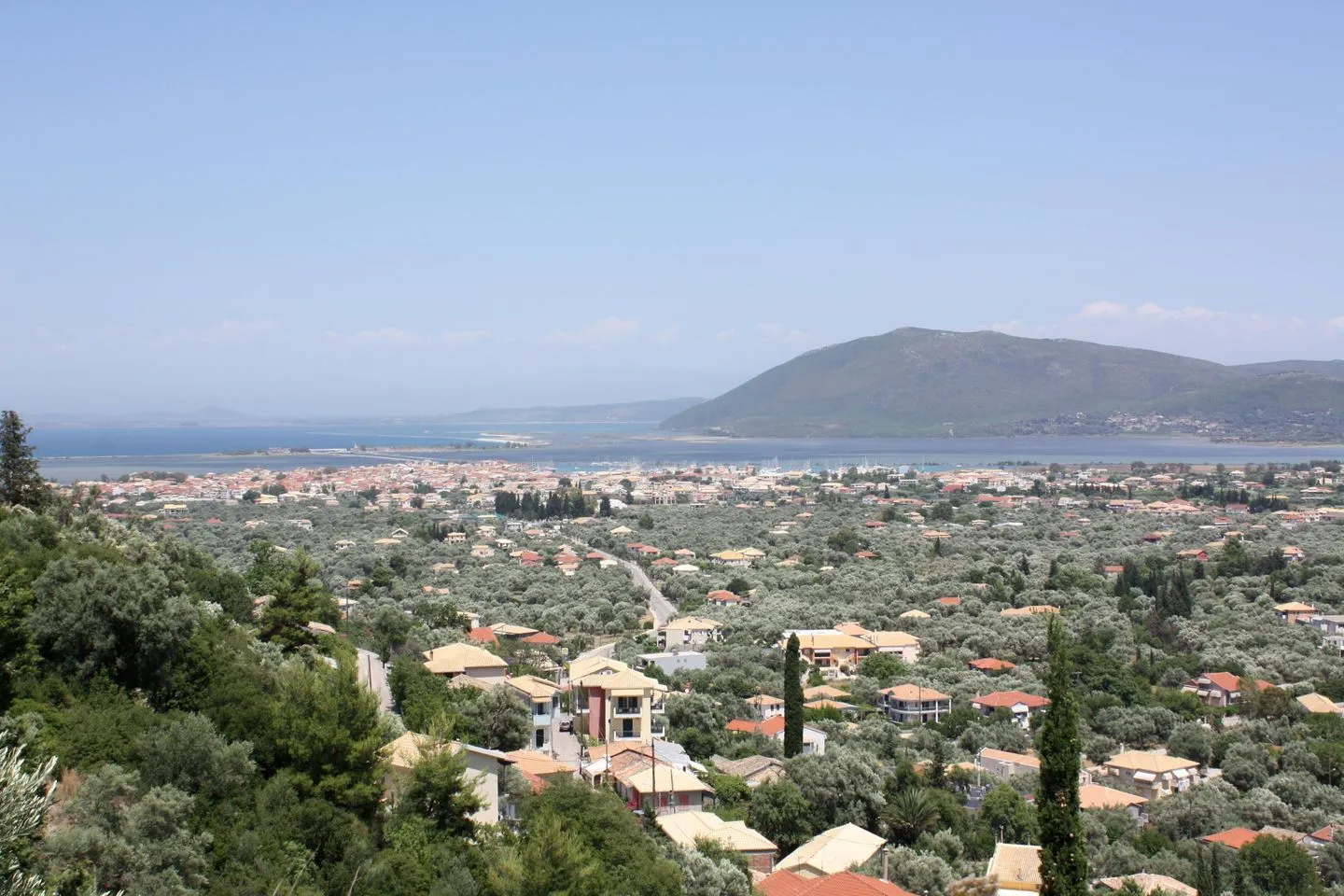
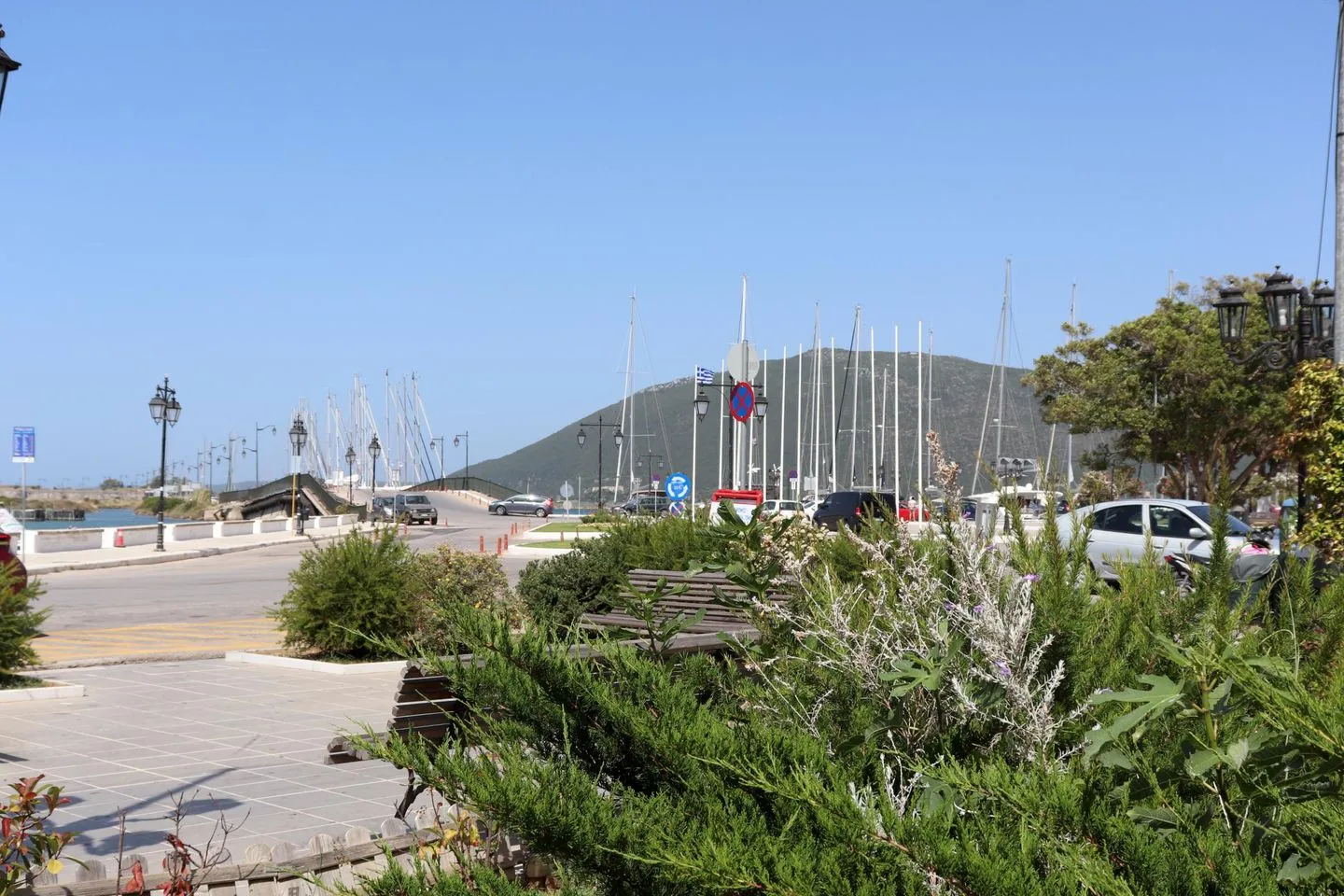
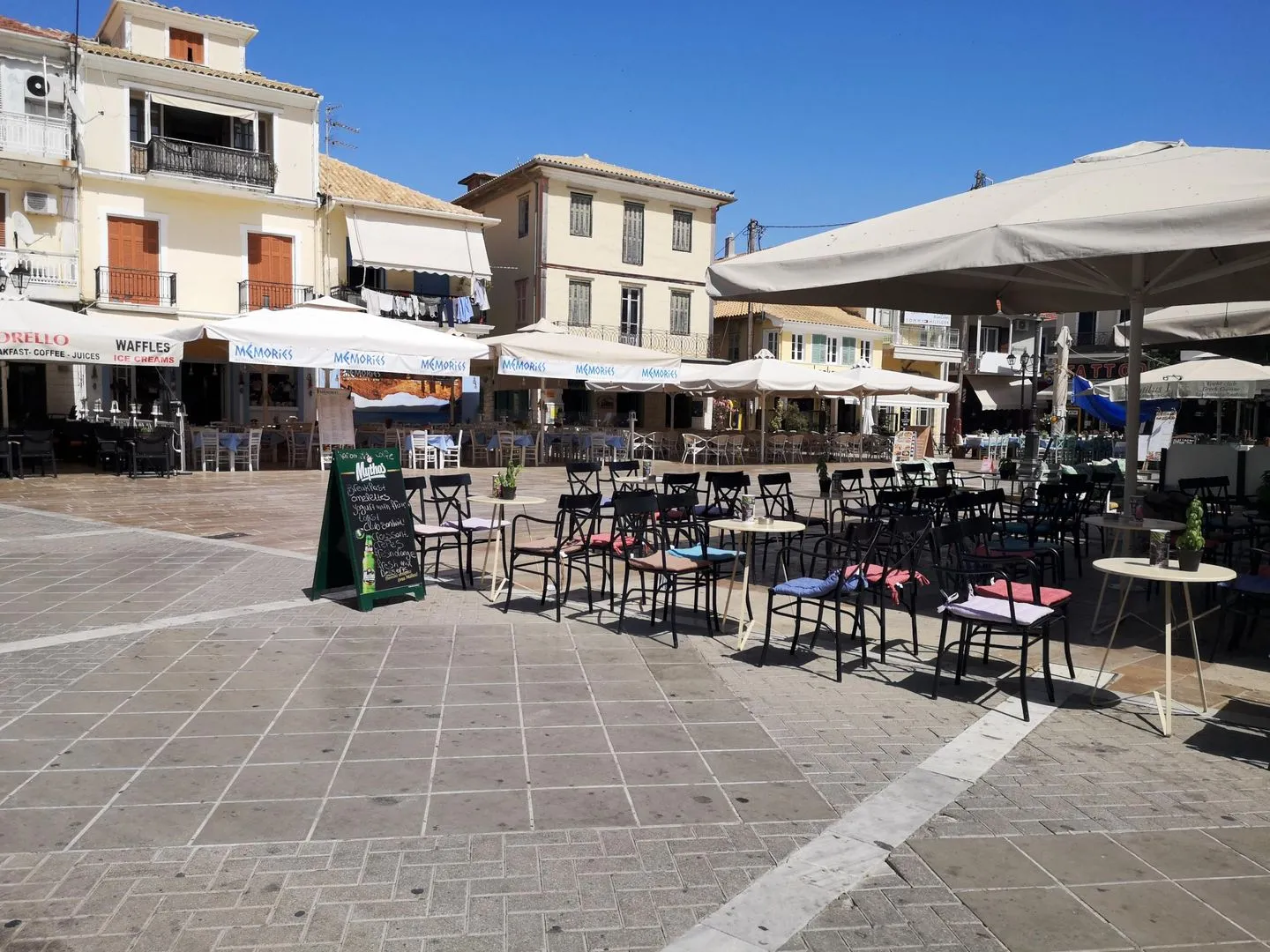
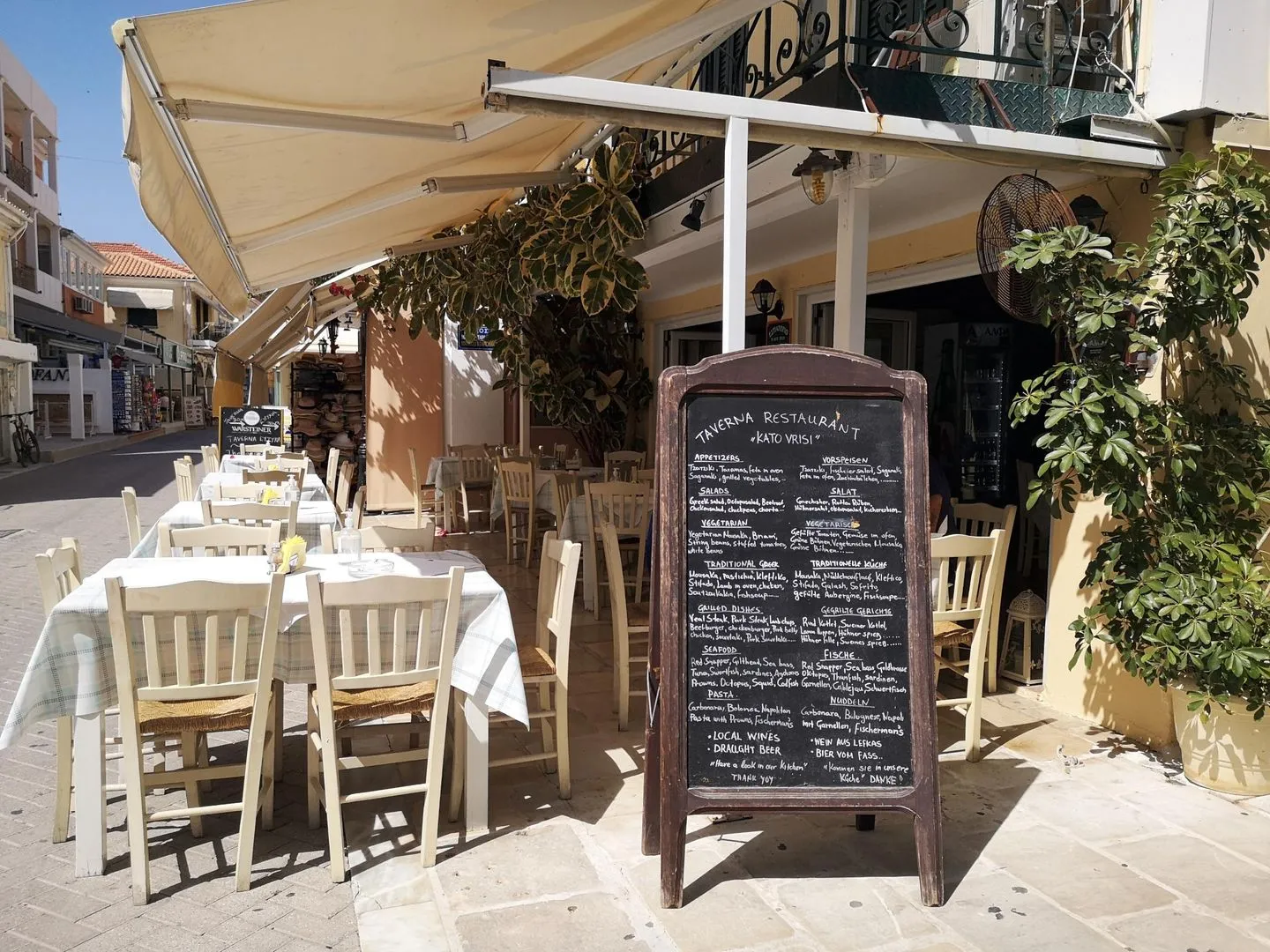
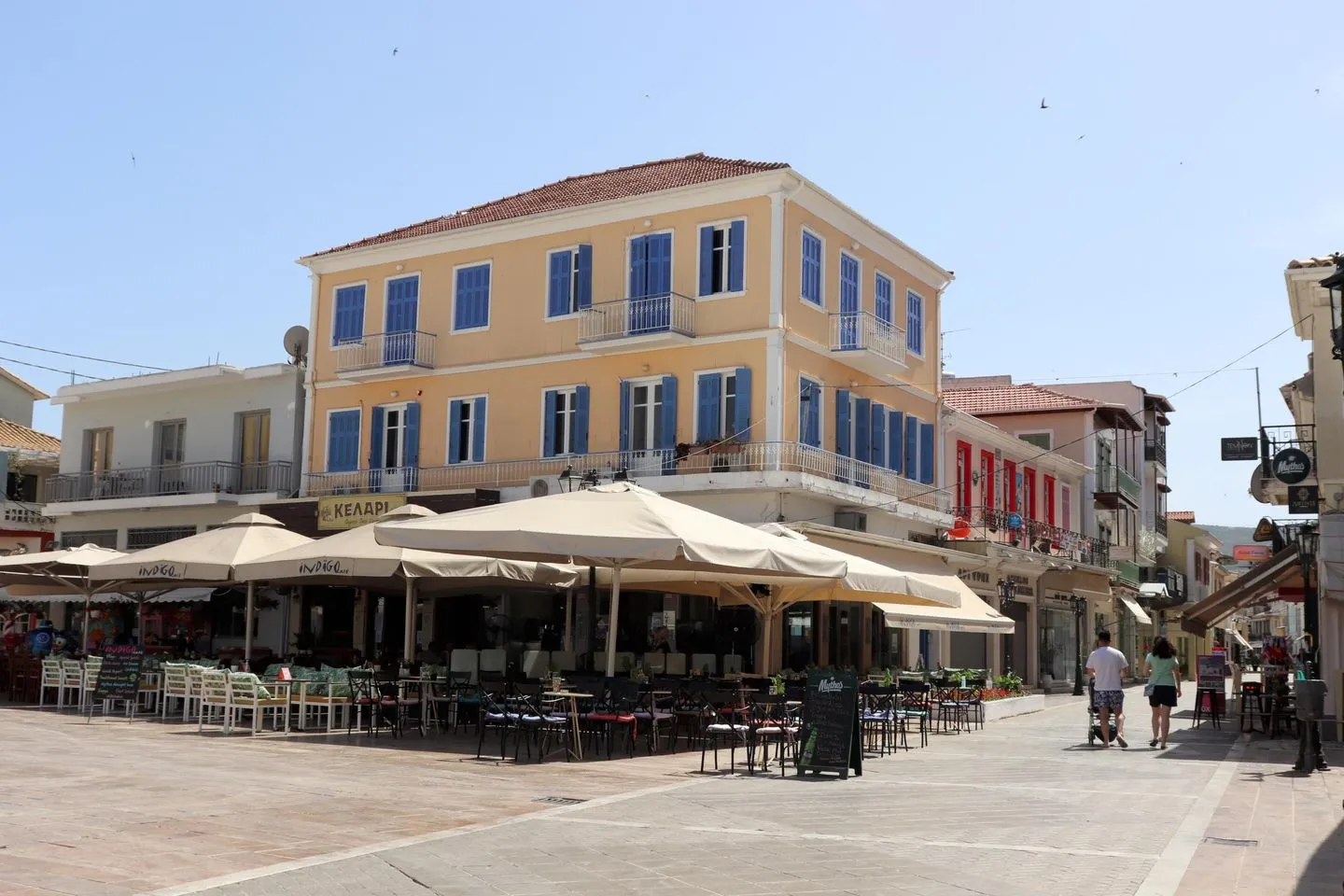
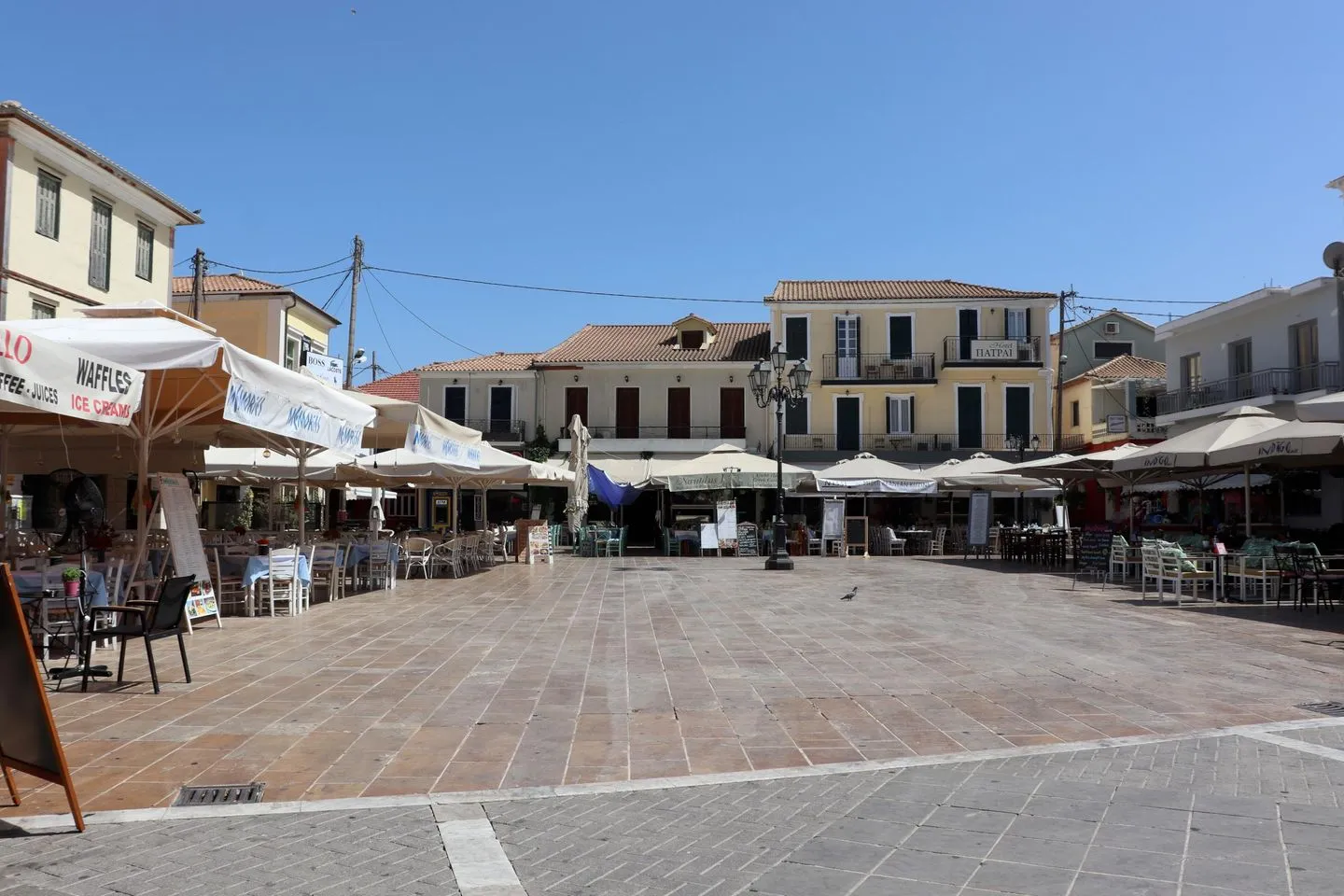
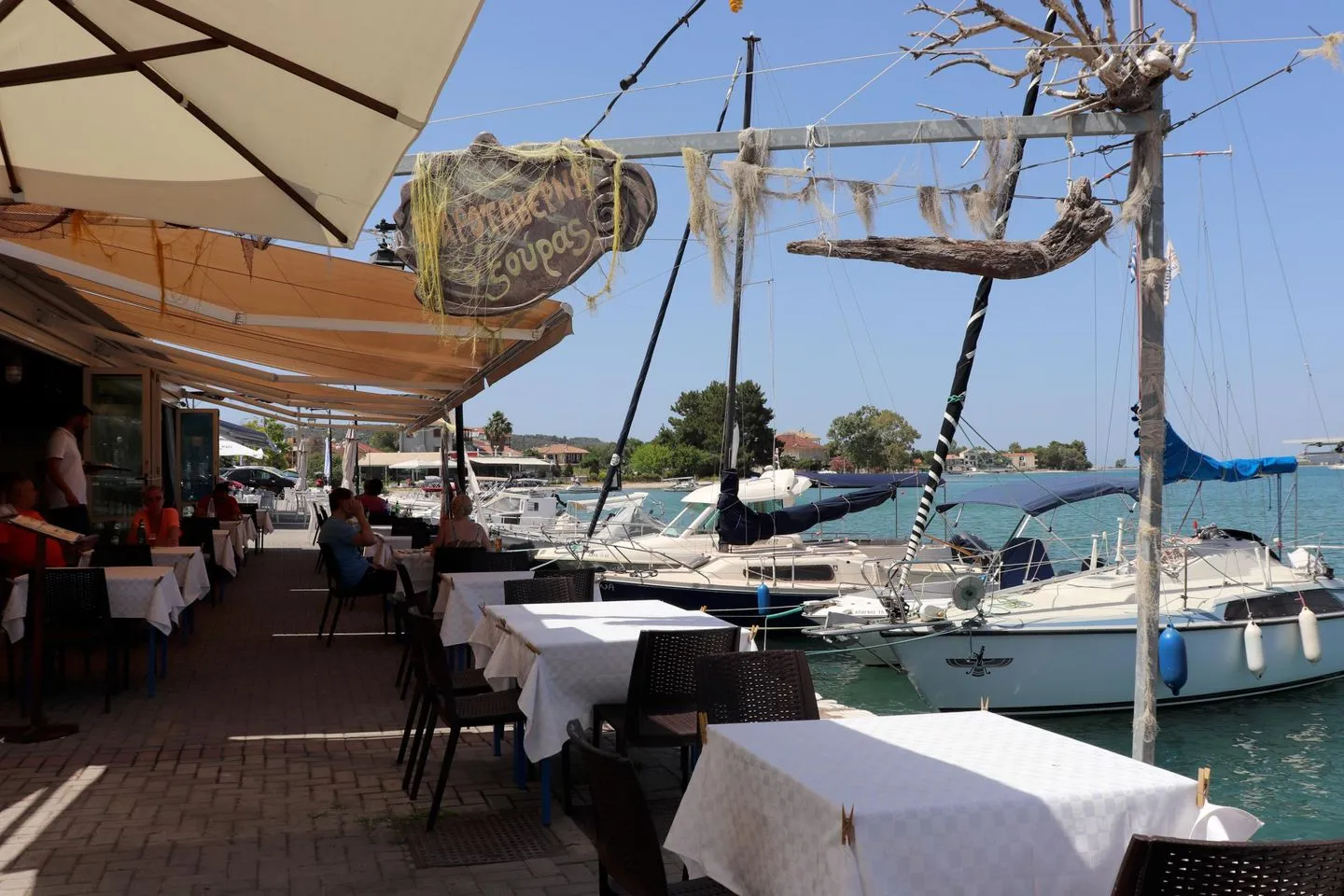
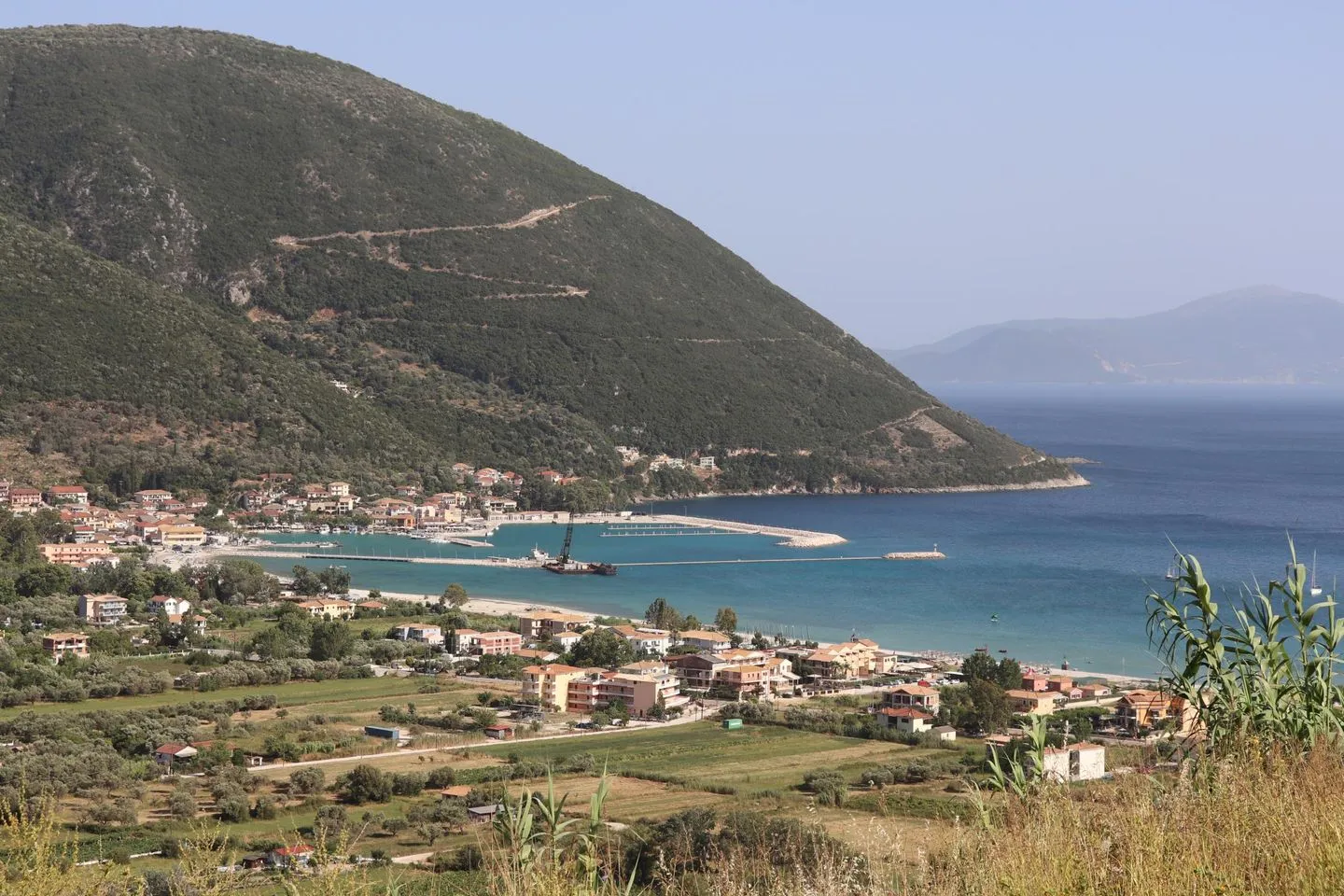
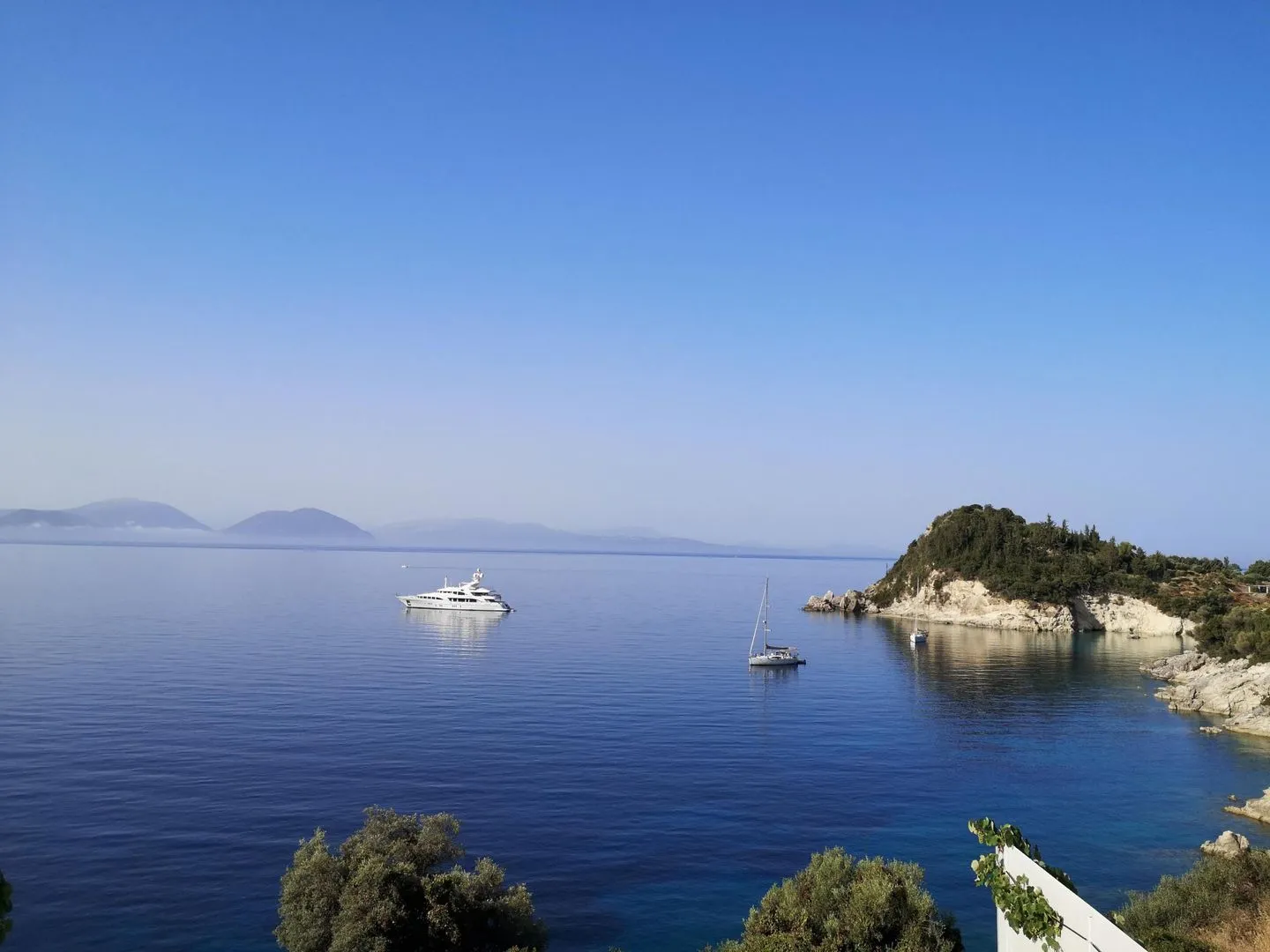
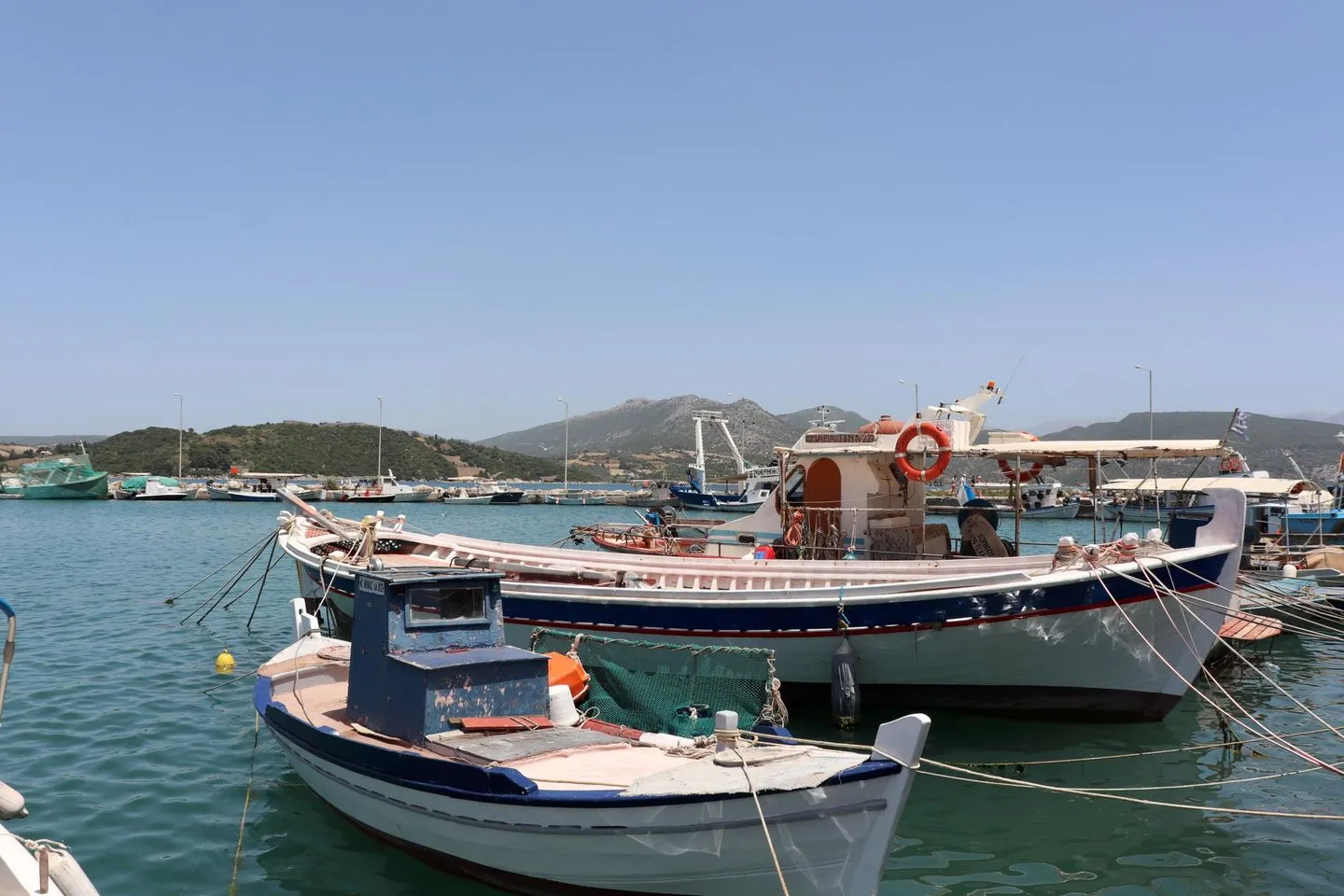
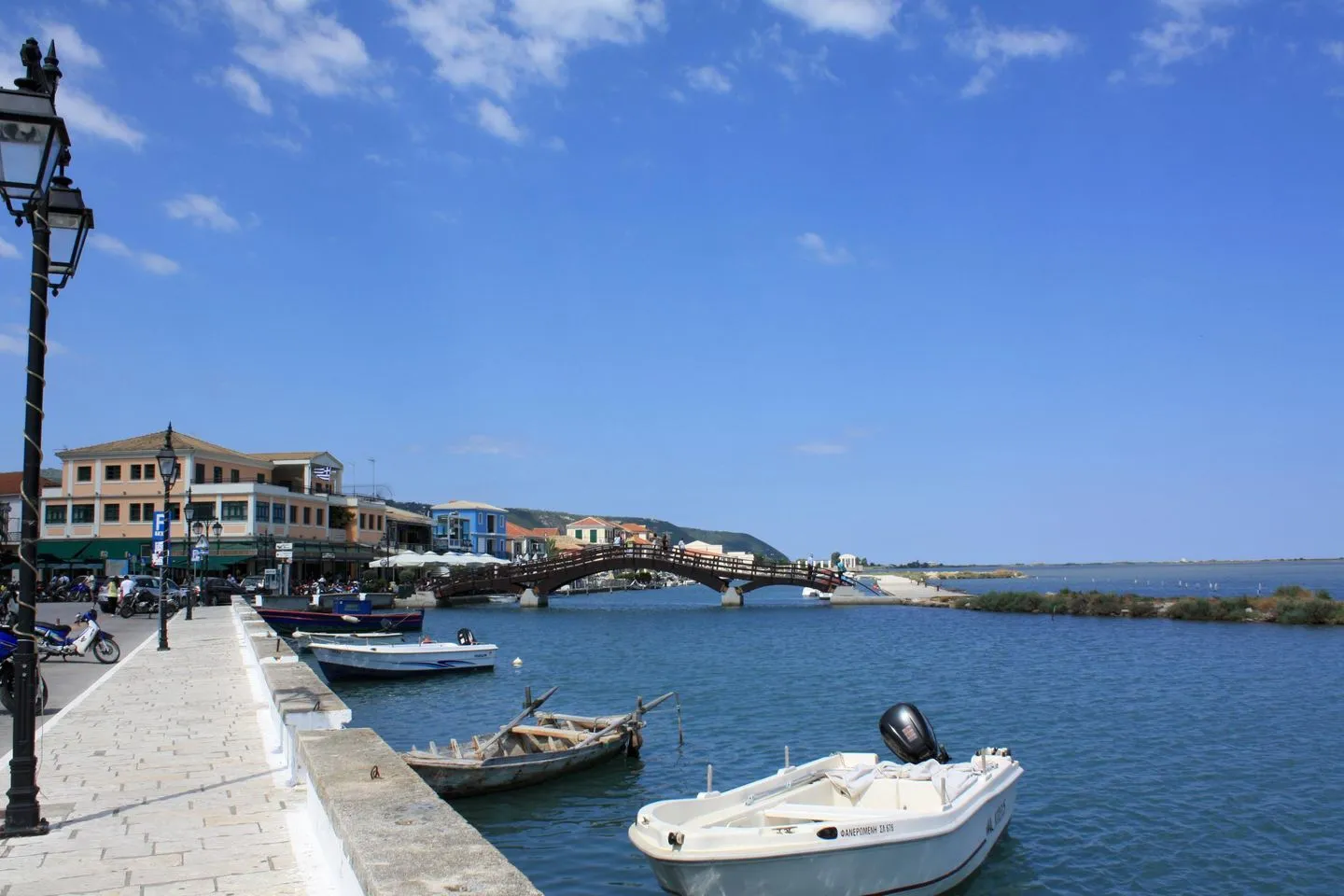
Lefkas (Greek: Lefkada) lies south of the island of Corfu and is the only Ionian island connected to the mainland by a canal bridge. The island is characterized by steep western coastlines with beautiful sandy coves, while the eastern side features a calmer, flatter landscape around the harbour town of Lefkas.
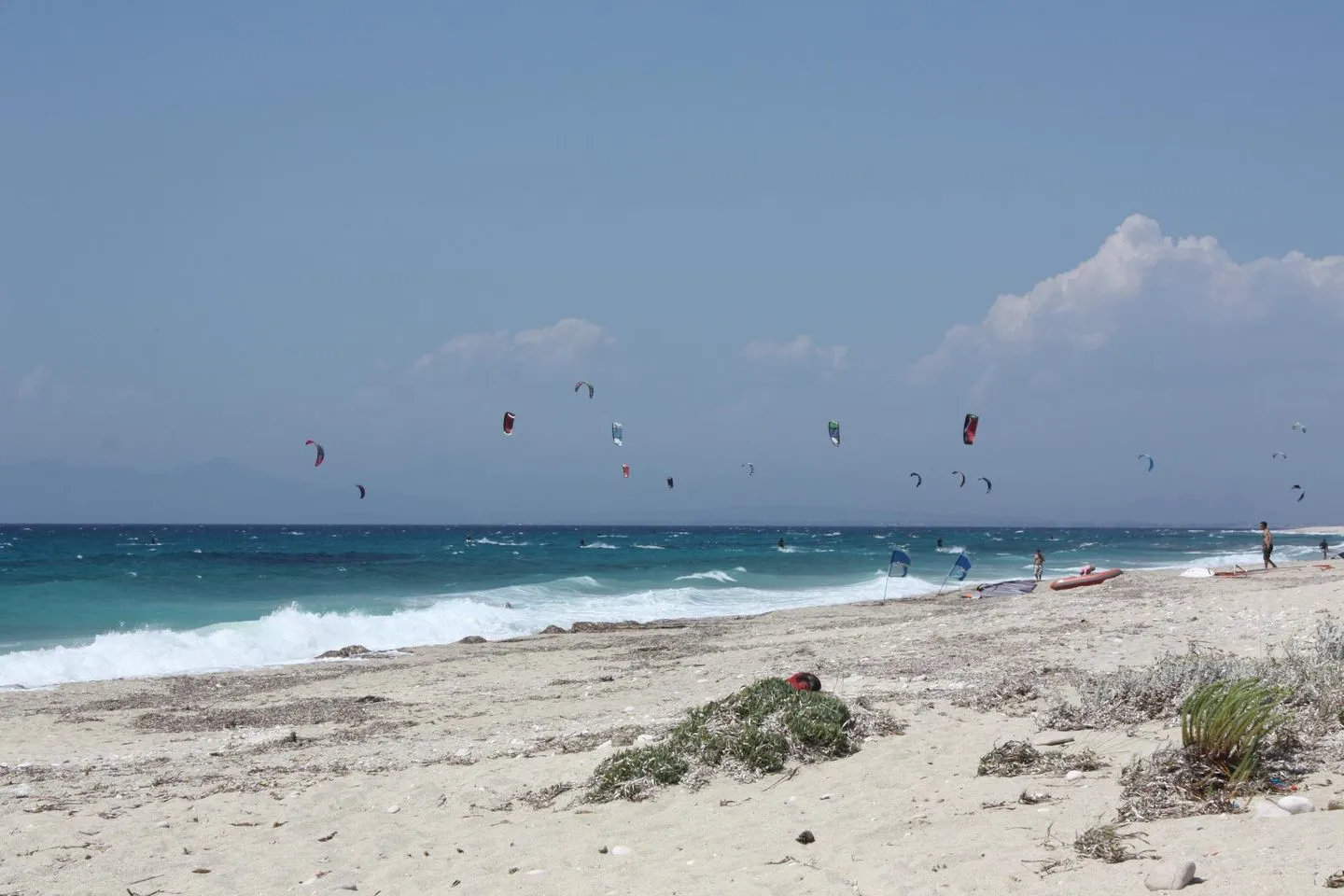
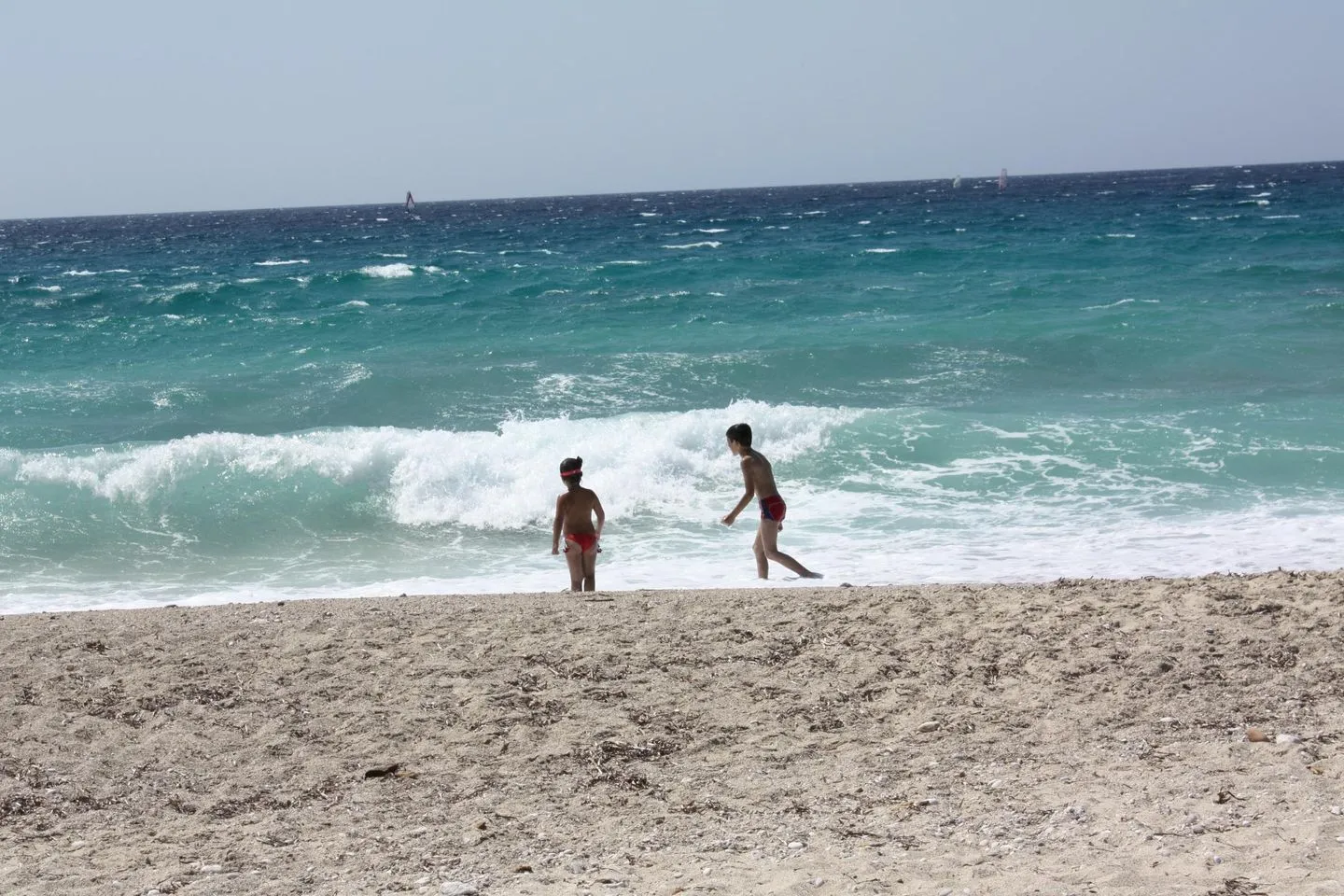
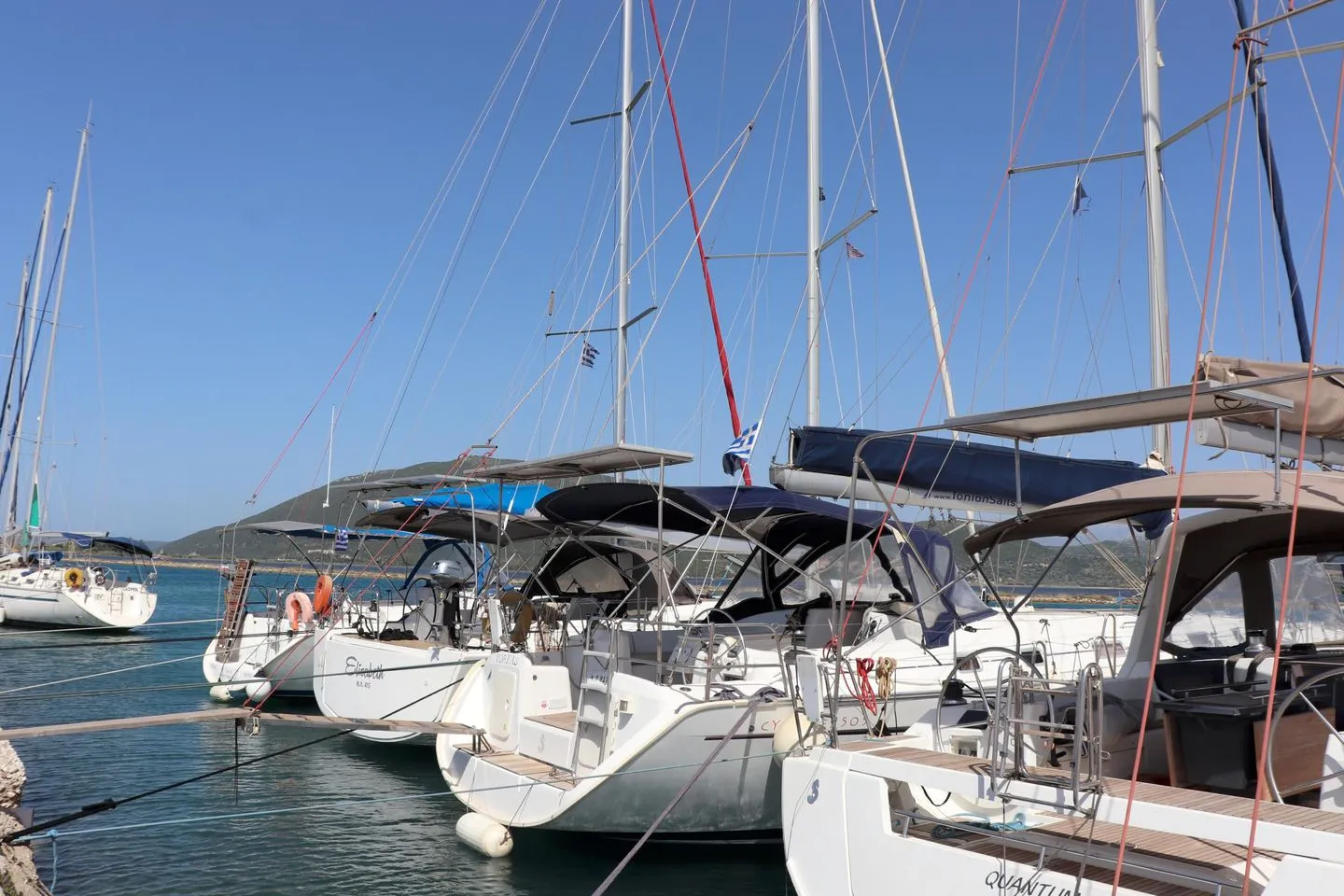
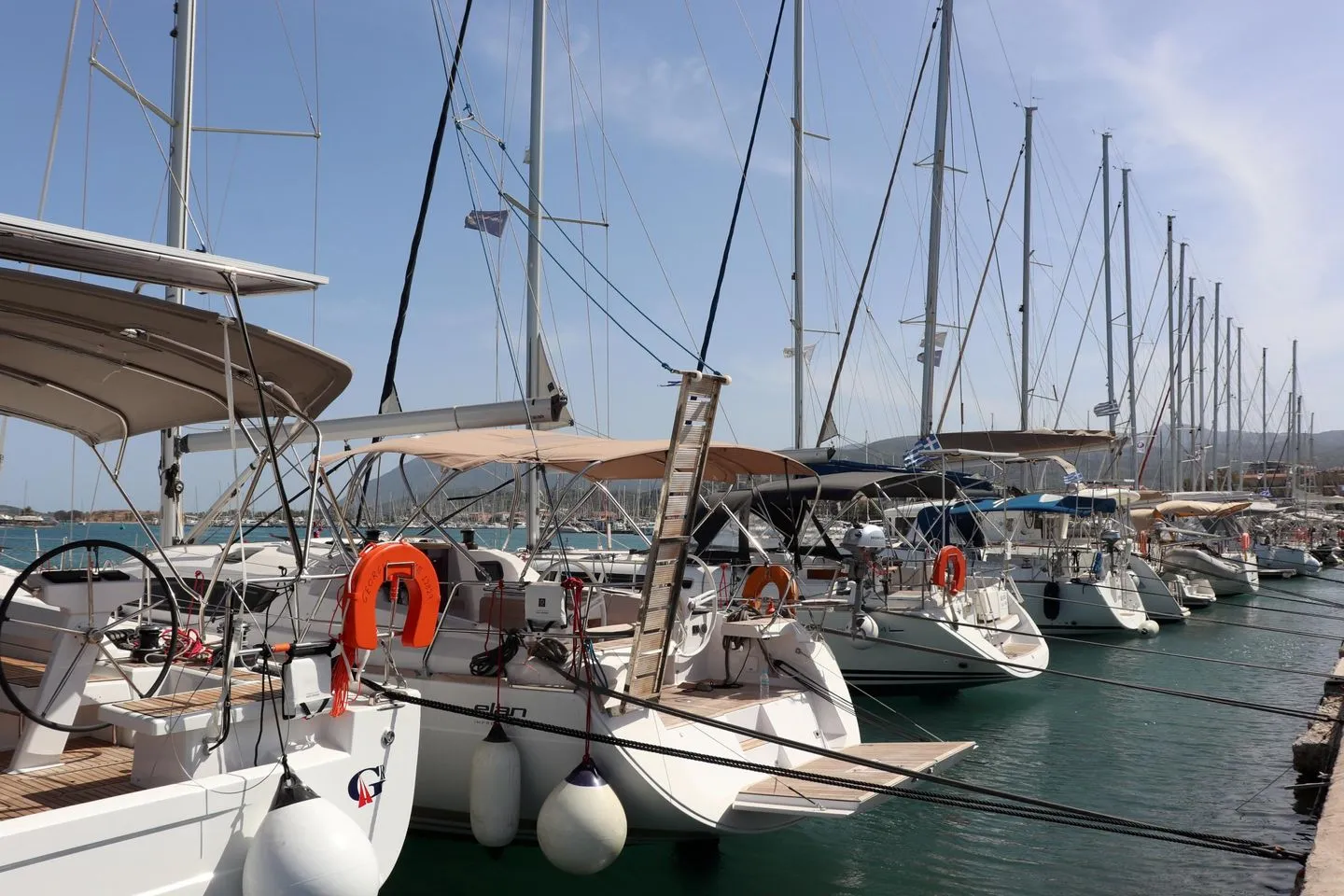
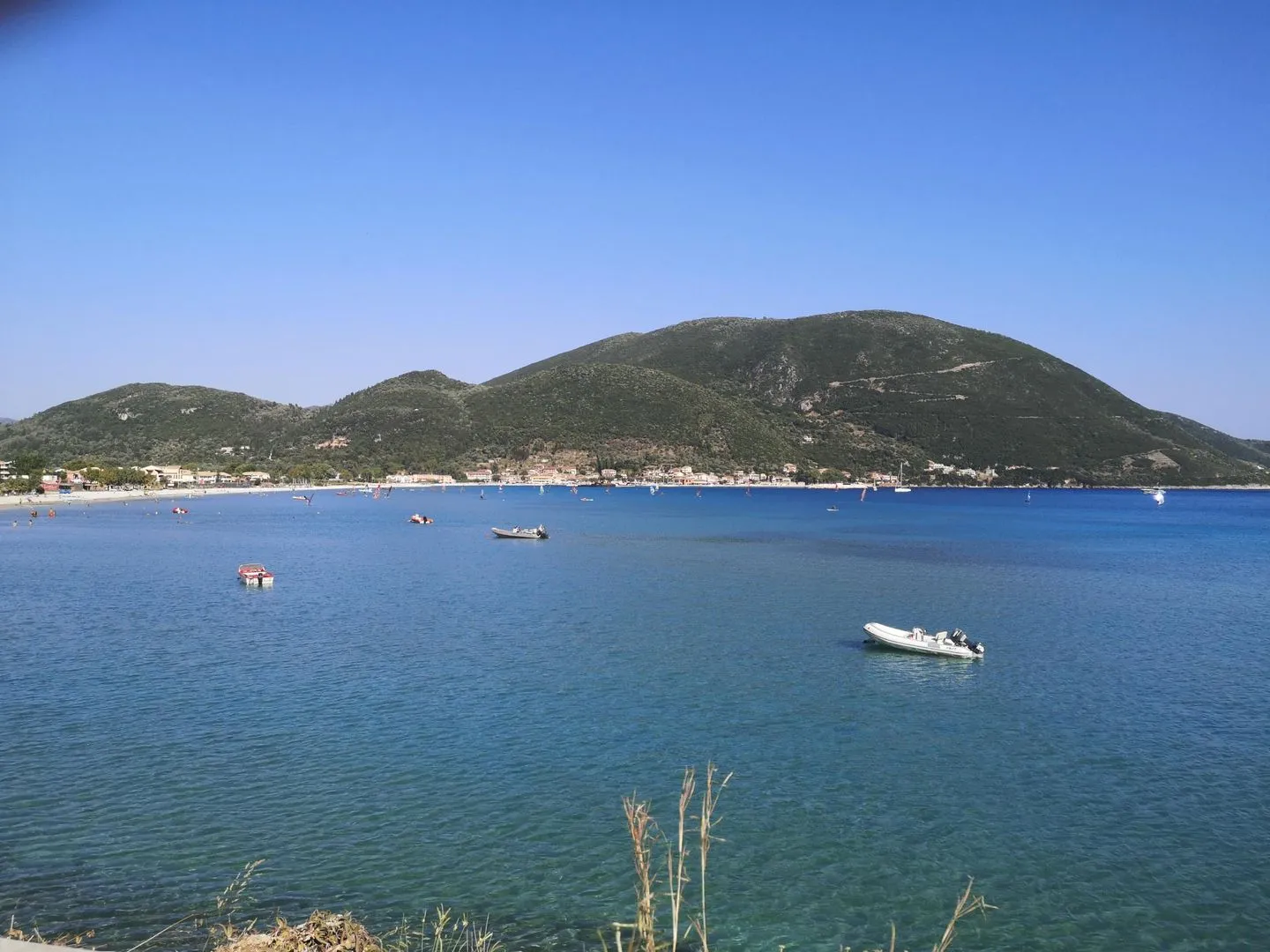
Lefkas is known for its varied scenery of mountains and sea, as well as its pleasant climate with abundant sunshine from April to October. In addition, favorable wind conditions provide ideal opportunities for sailors and windsurfers. This makes Lefkas an attractive destination for mountain bikers, hikers, and water sports enthusiasts.
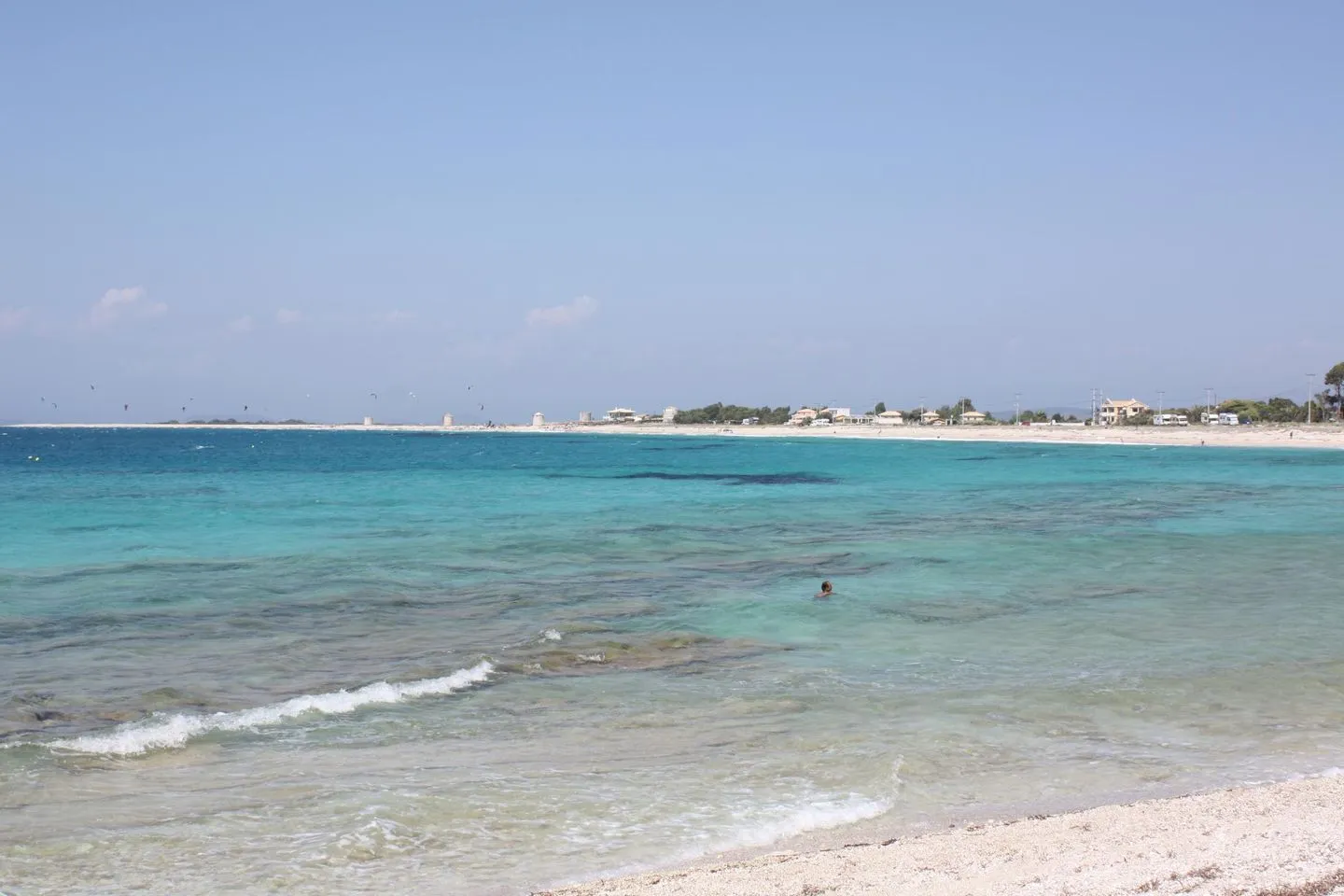
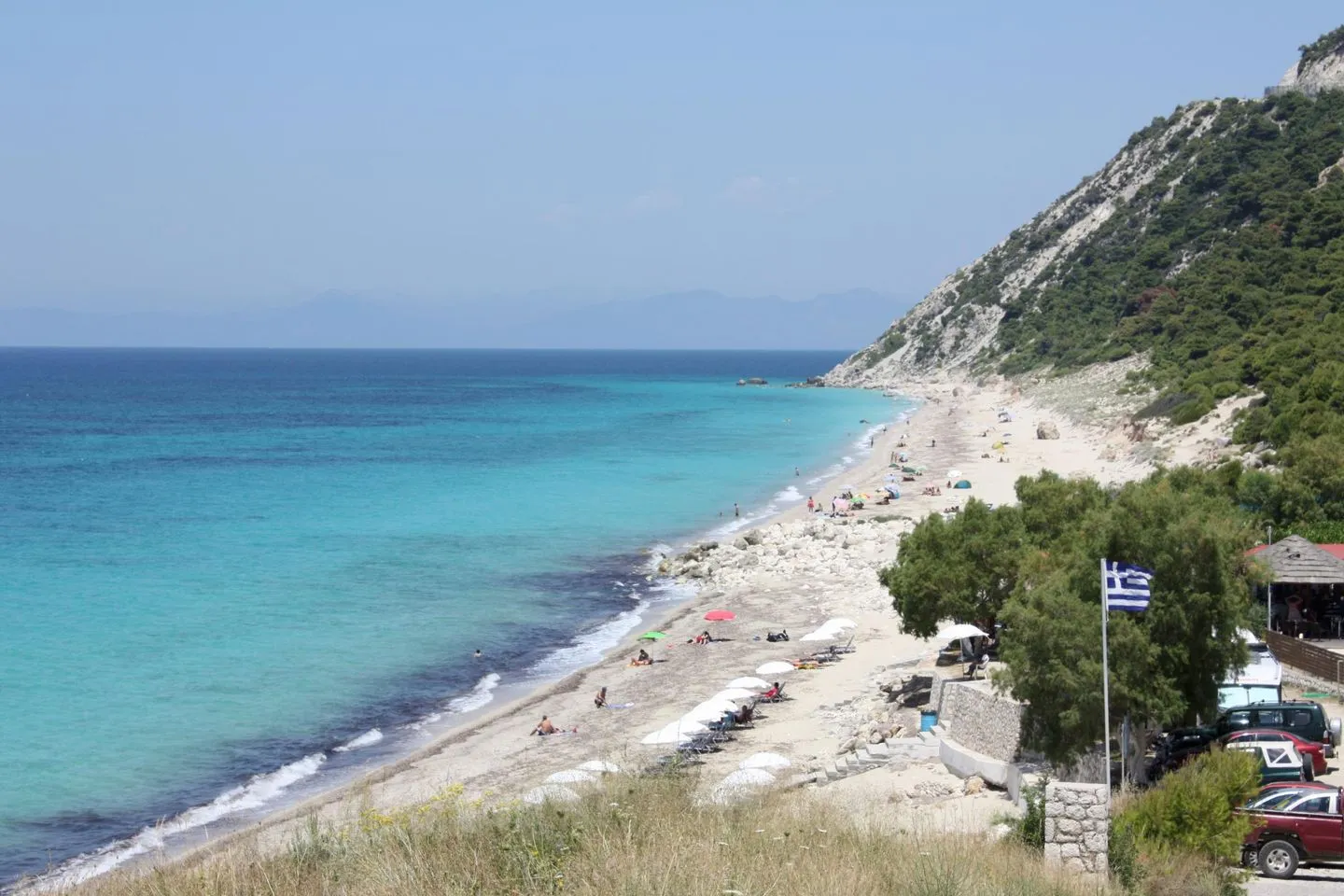
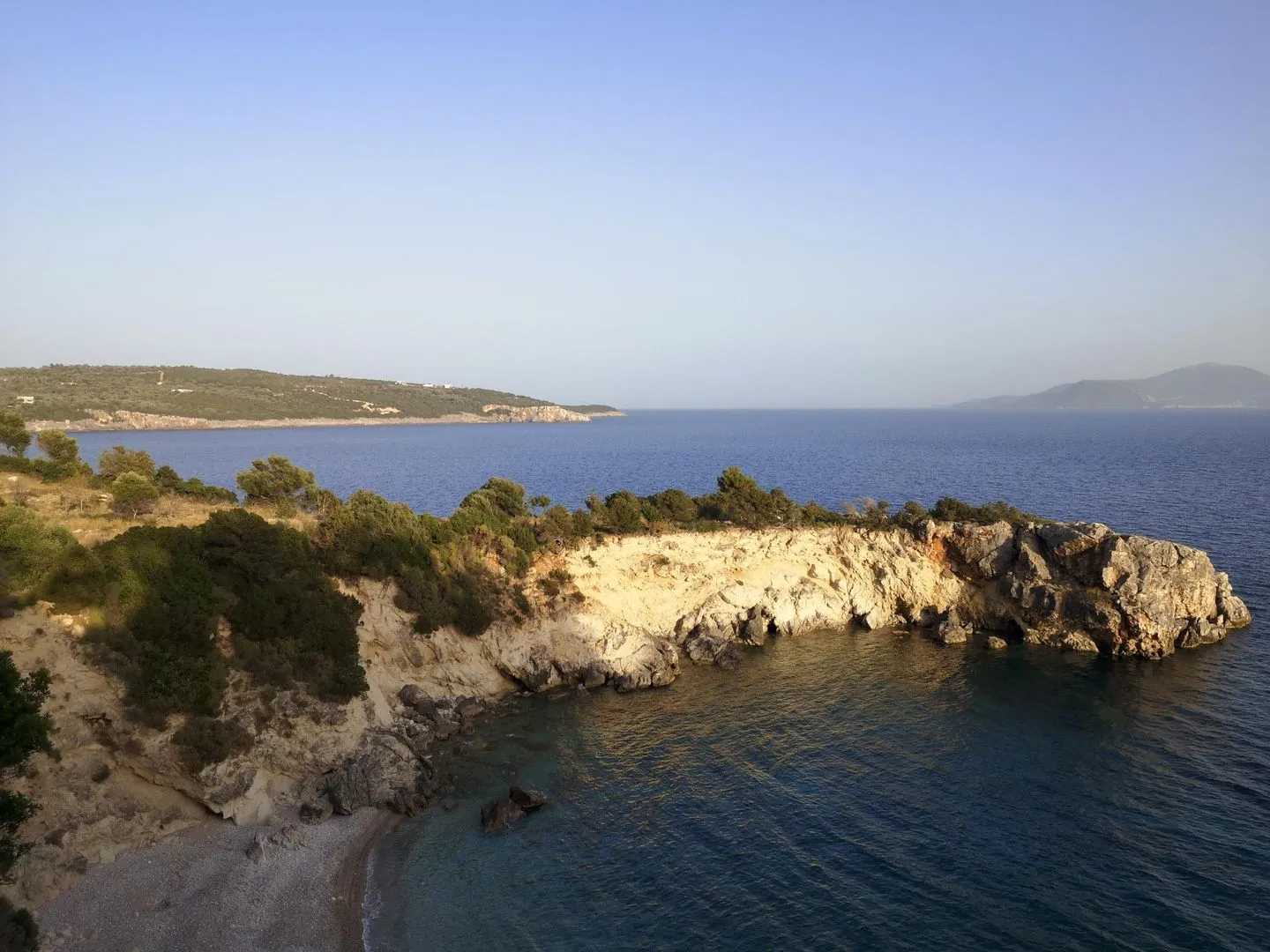
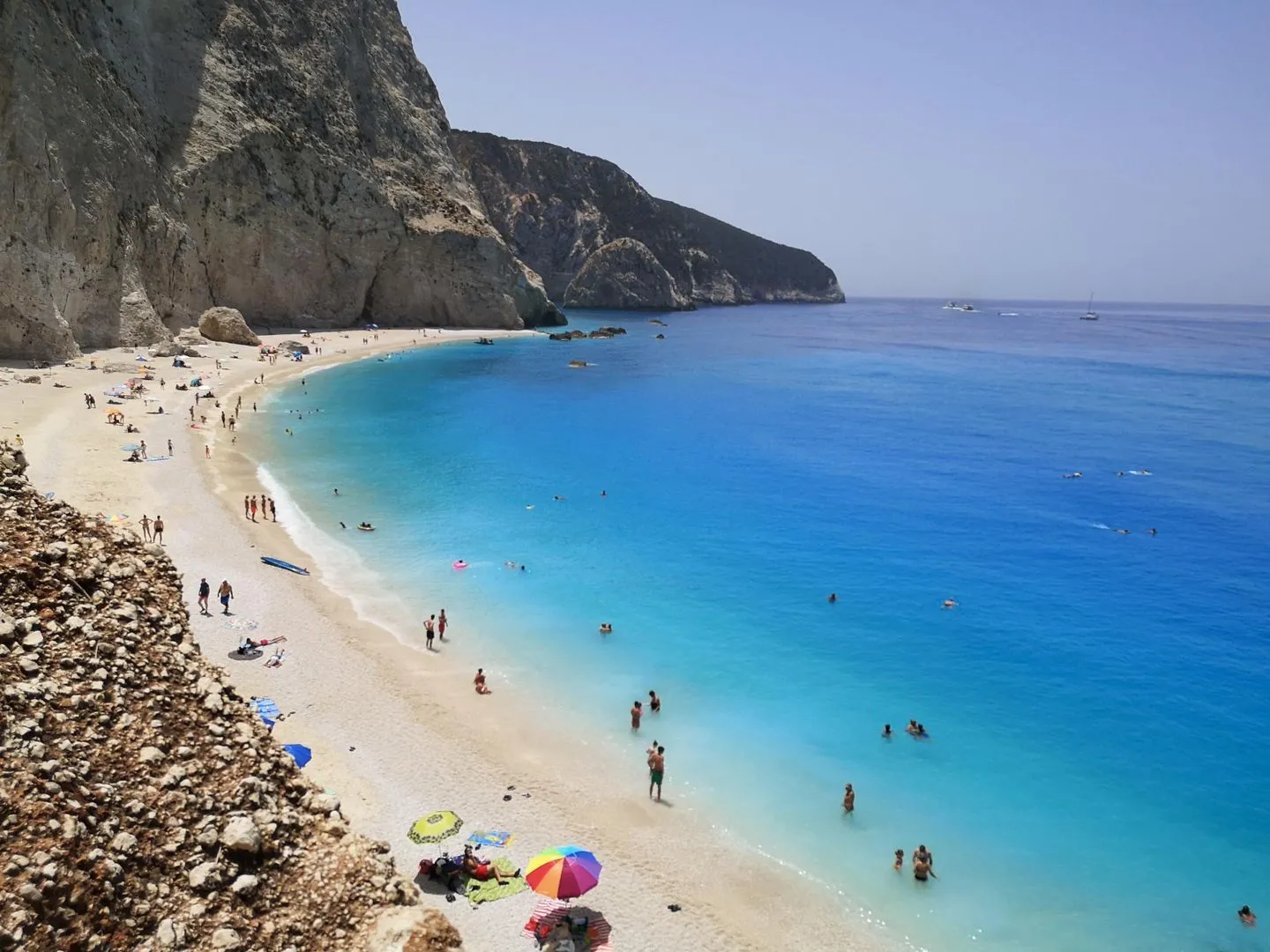
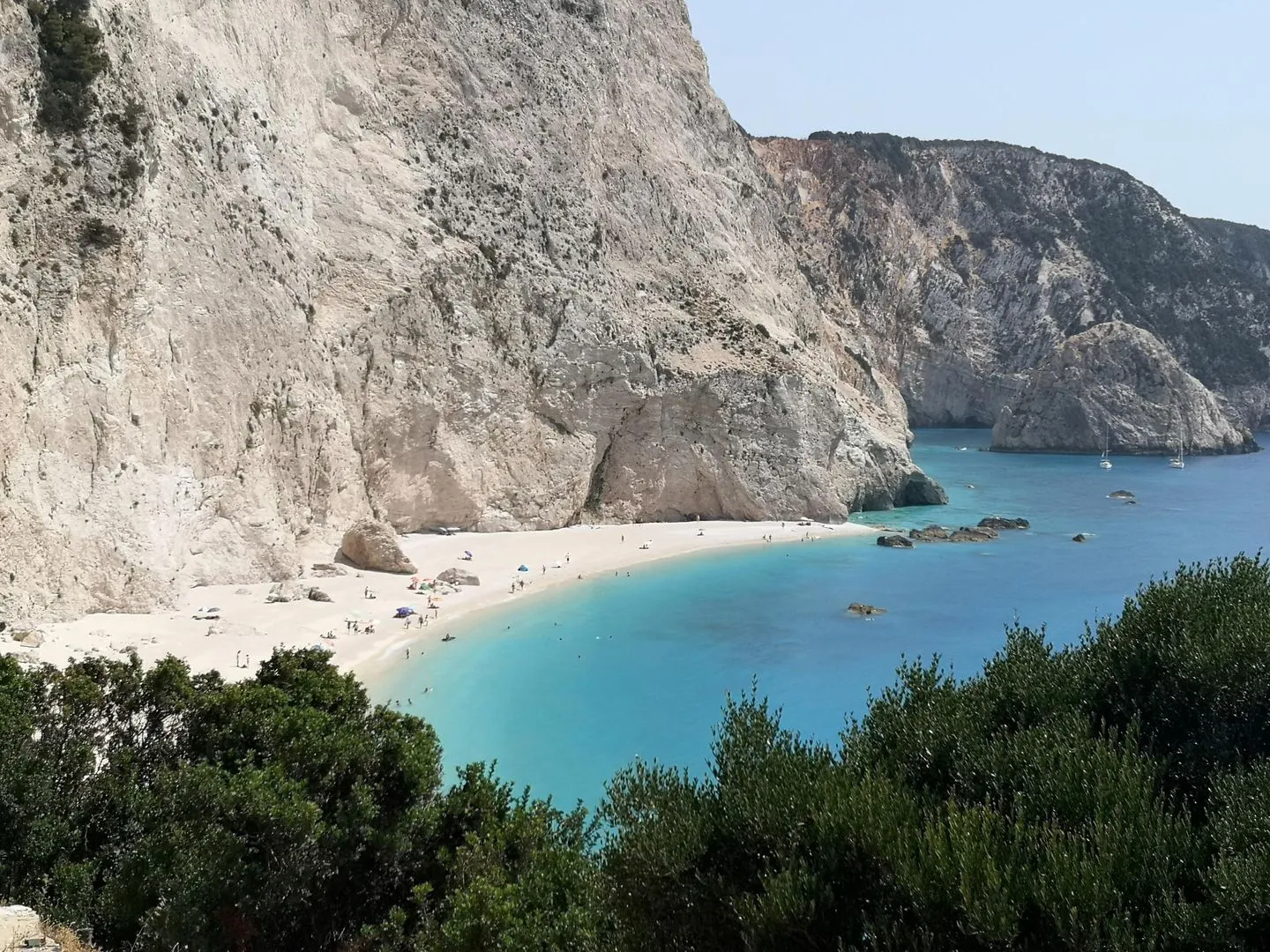
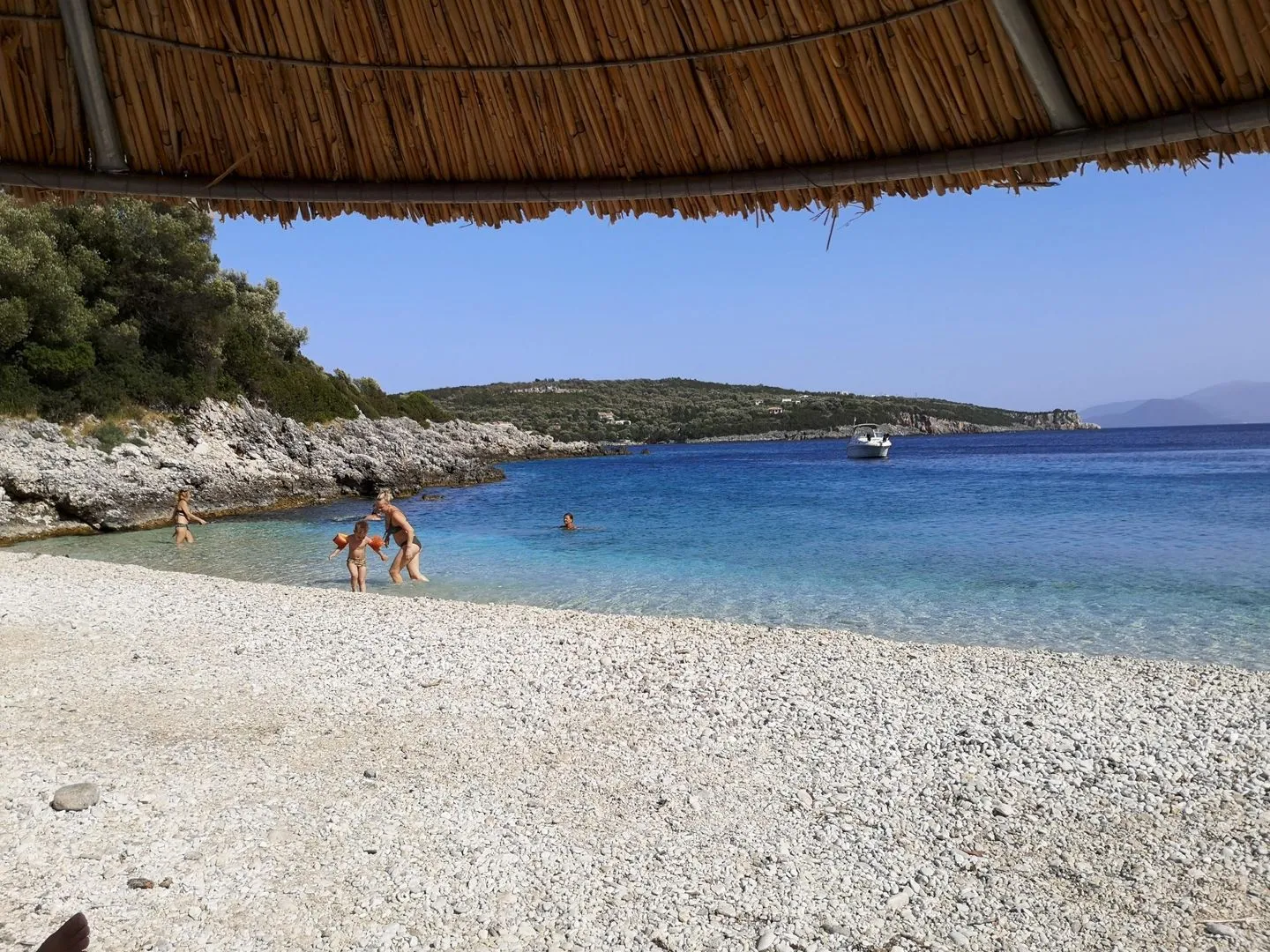
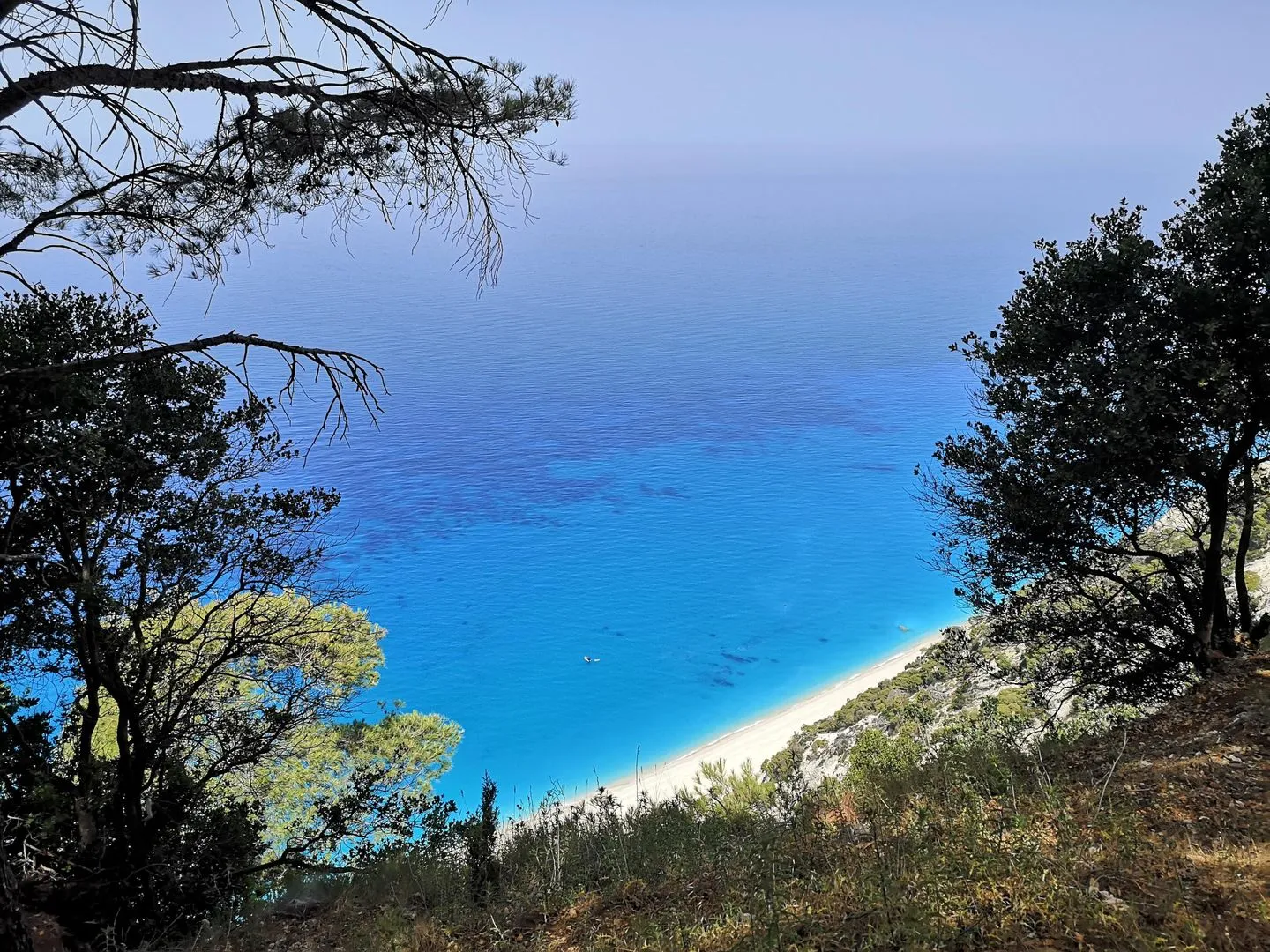
Lefkas is considered one of the most beautiful water sports regions and islands in Greece. The island is also called the “White Island” because of its many stunning sandy beaches surrounded by white limestone cliffs.
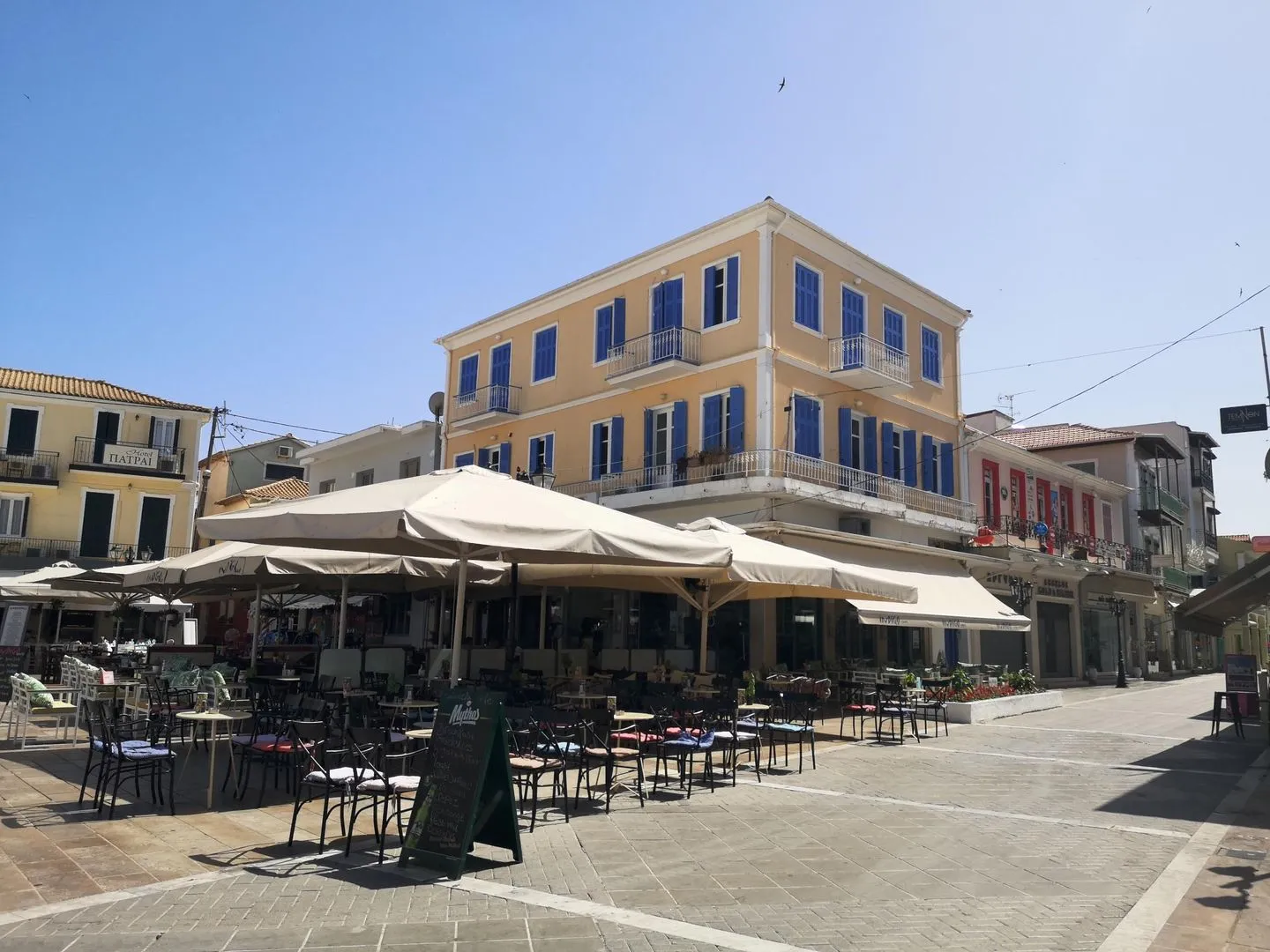
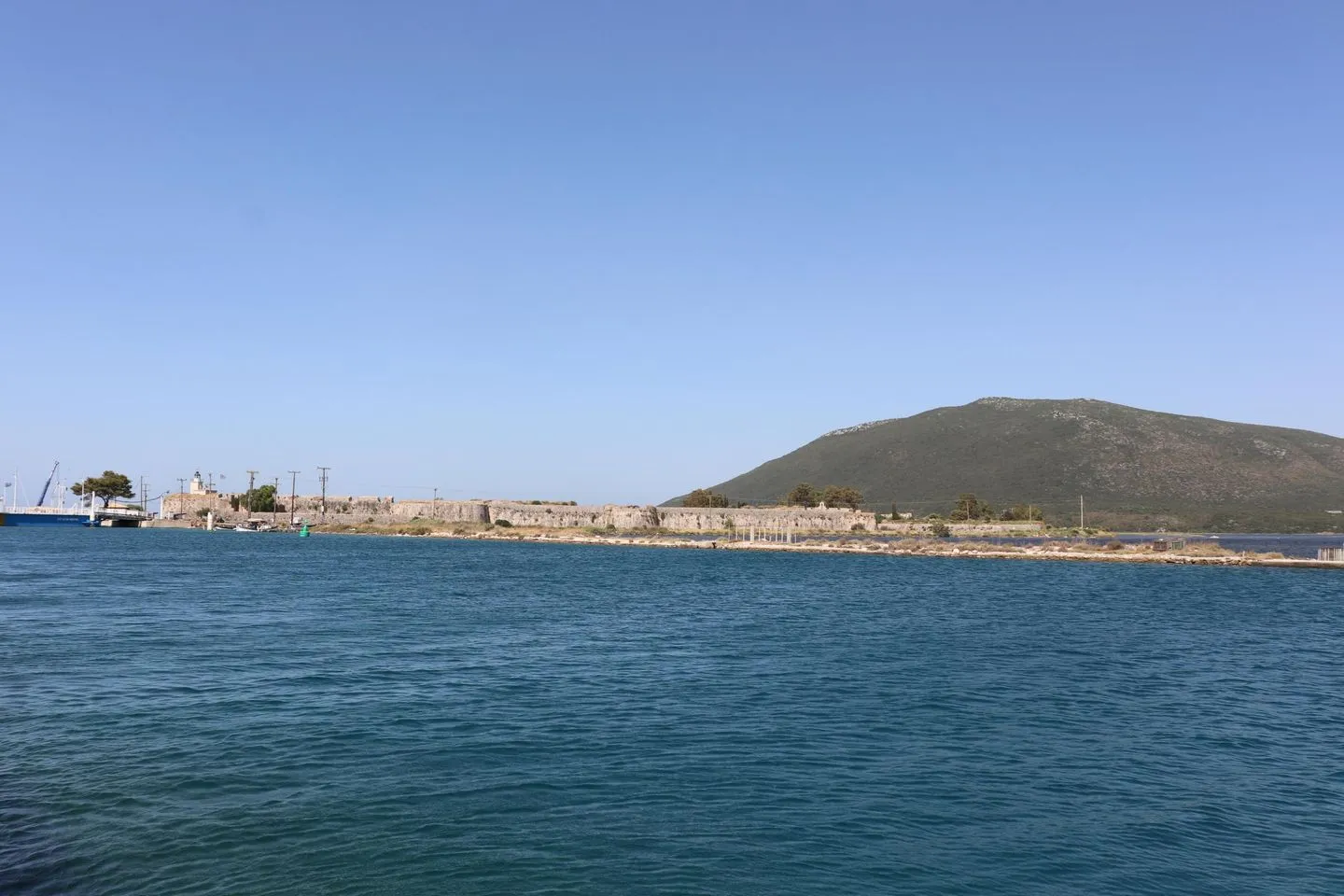
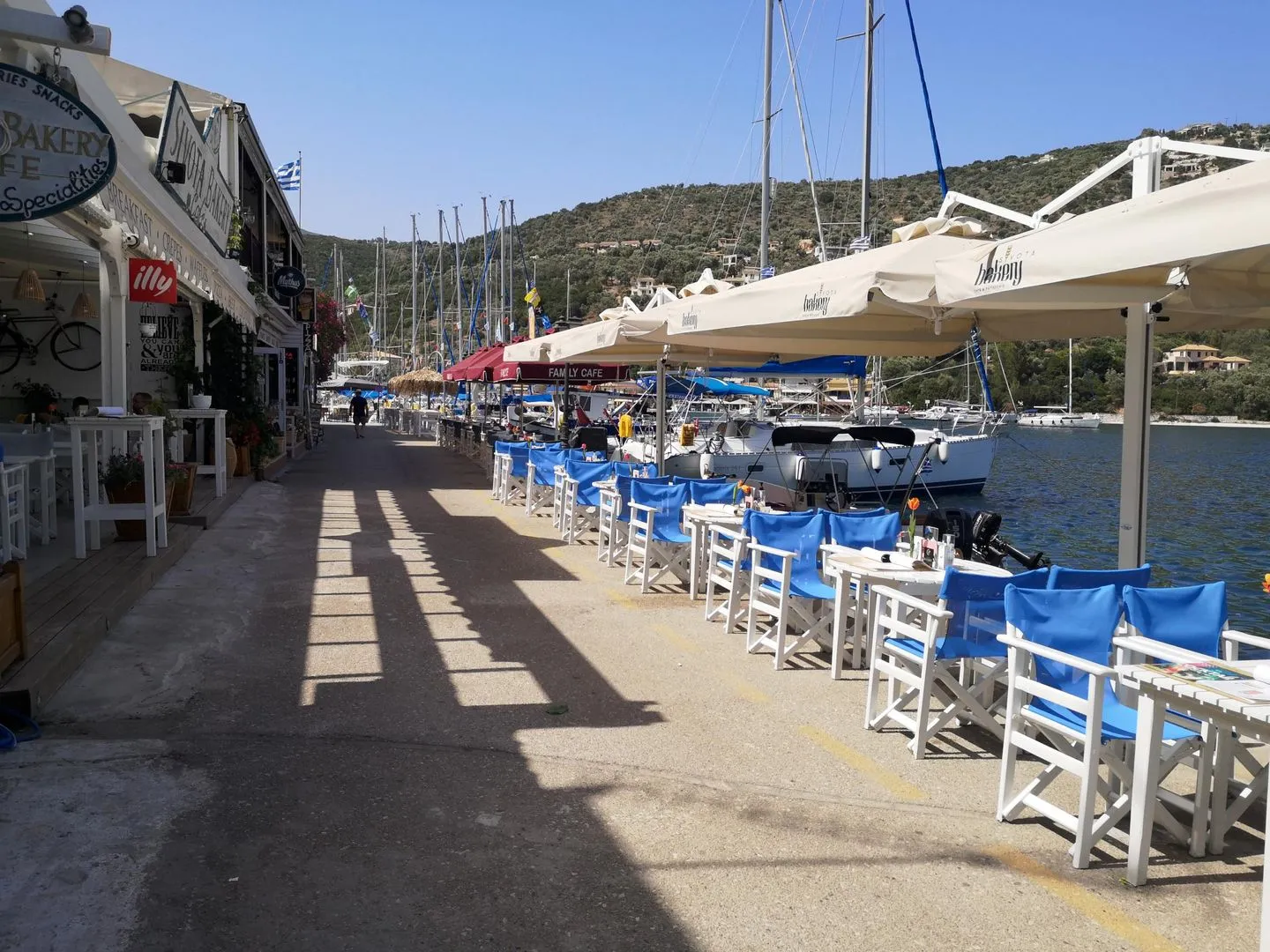
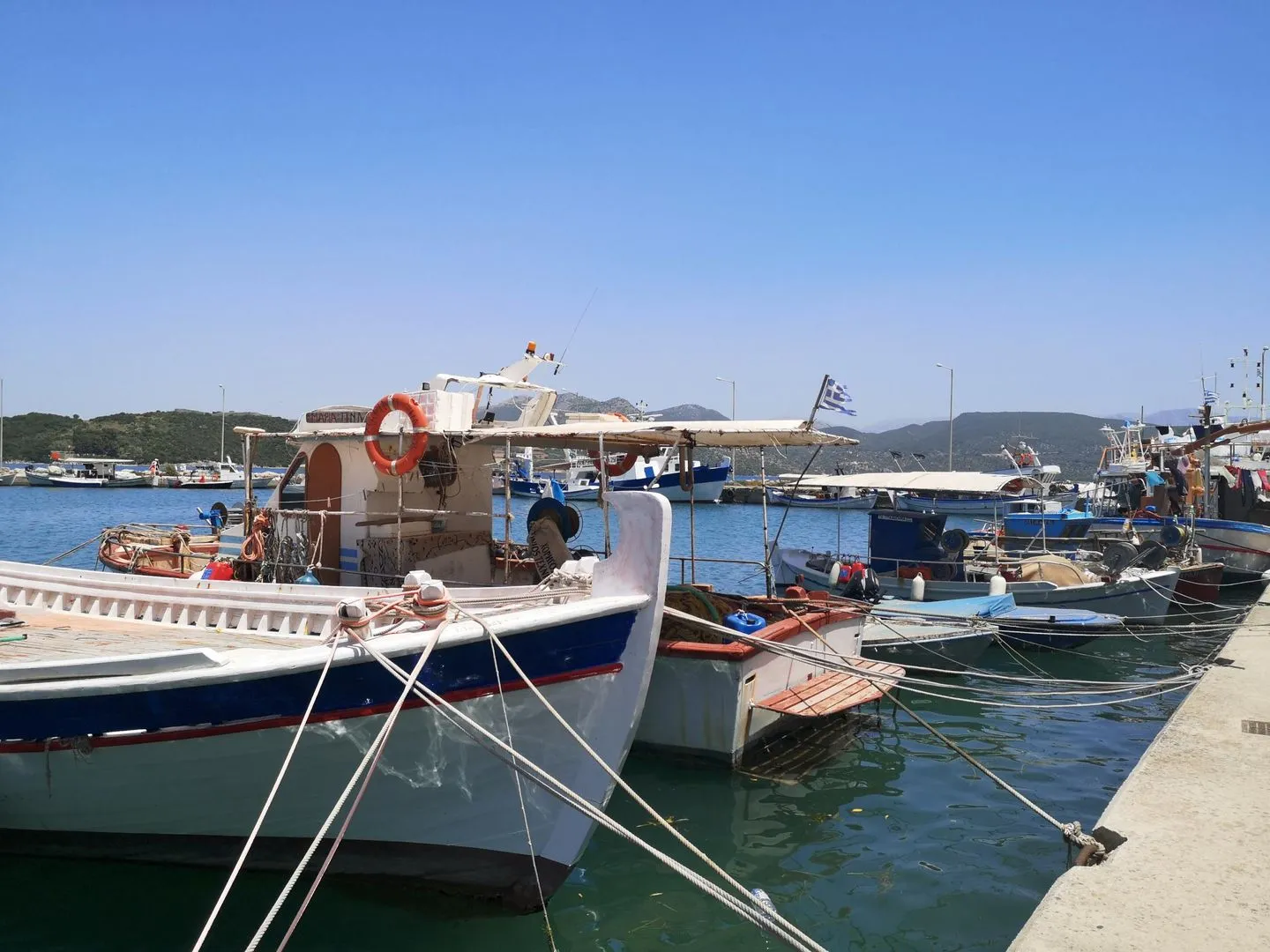
Among the island’s attractions are the marina of Lefkas, the winding old town, and the Venetian fortress of Santa Maura. Mass tourism has so far barely reached the island, allowing Lefkas to preserve its authentic atmosphere and making it a true insider tip.
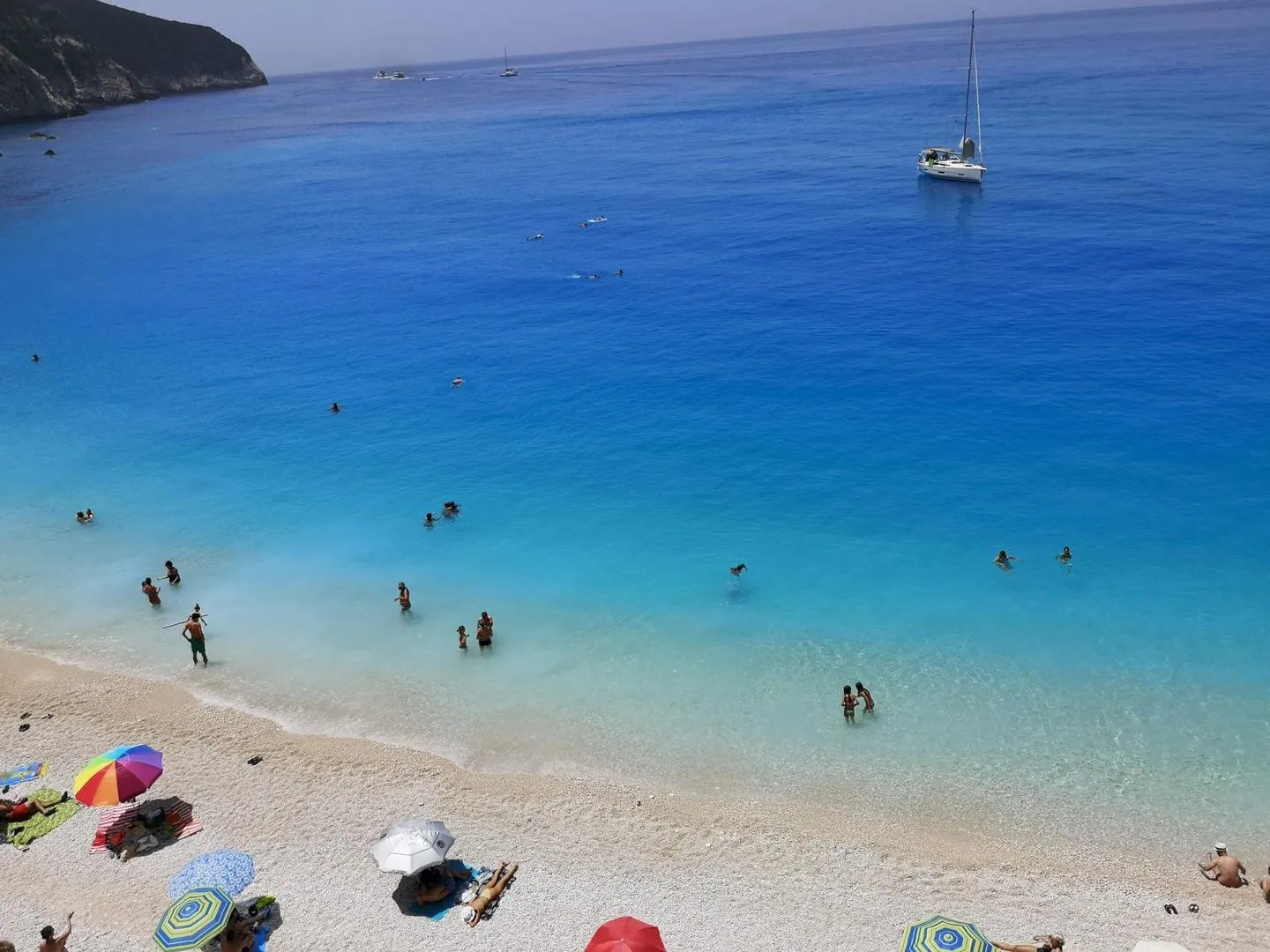
Particularly impressive are the beaches of Porto Katsiki, Egremni, and Kathisma, with their turquoise waters reminiscent of the Caribbean. Beyond the beaches, the island also offers traditional mountain villages full of authentic Greek charm, something that has become rare on the Ionian Islands.
The lagoon between Lefkas Town and the mainland is a protected wetland and an important habitat for migratory birds and rare animal species.