The map cannot be displayed because you have not yet agreed to the use of GoogleMaps.
You can find the GoogleMaps privacy policy at https://policies.google.com/privacy?hl=en-US
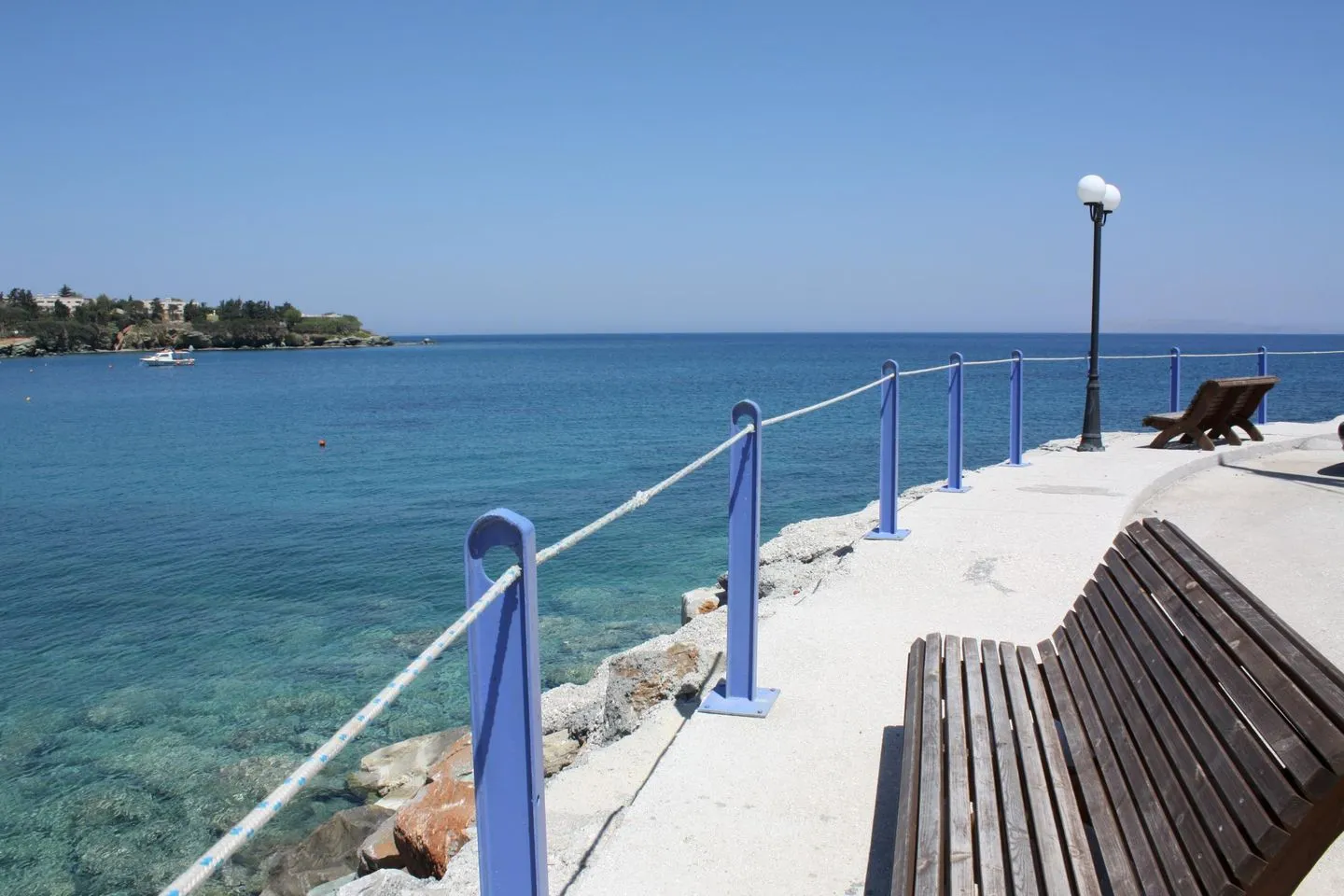
With an area of around 8,300 km², Crete is the largest of the Greek islands and is located in the southeastern Mediterranean. It uniquely combines impressive landscapes, history, and culture. In Crete, you will find important museums and archaeological sites such as Knossos and Phaistos, as well as crystal-clear waters, high mountains, and deep gorges – an island full of natural experiences. Crete, the island of the Minotaur and Alexis Zorbas, stands for hospitality, a love of freedom, and joie de vivre. It is considered the cradle of European culture: four millennia of history – from King Minos to liberation from the Ottoman Empire – have left their mark everywhere. We would like to invite you to discover Crete with open eyes. In the interior, along quiet coasts, and in lively towns, you can feel both the traditions and the transformations of the island. The simple way of life, the warmth of the people, the diverse landscape, and the ever-present traces of the past make Crete so special.
Geography and Nature
Swimming and Beaches in Crete
Crete is about 260 km long and the fourth-largest island in the Mediterranean region – after Sicily, Sardinia, and Cyprus. Its landscape is shaped by mighty mountain ranges:
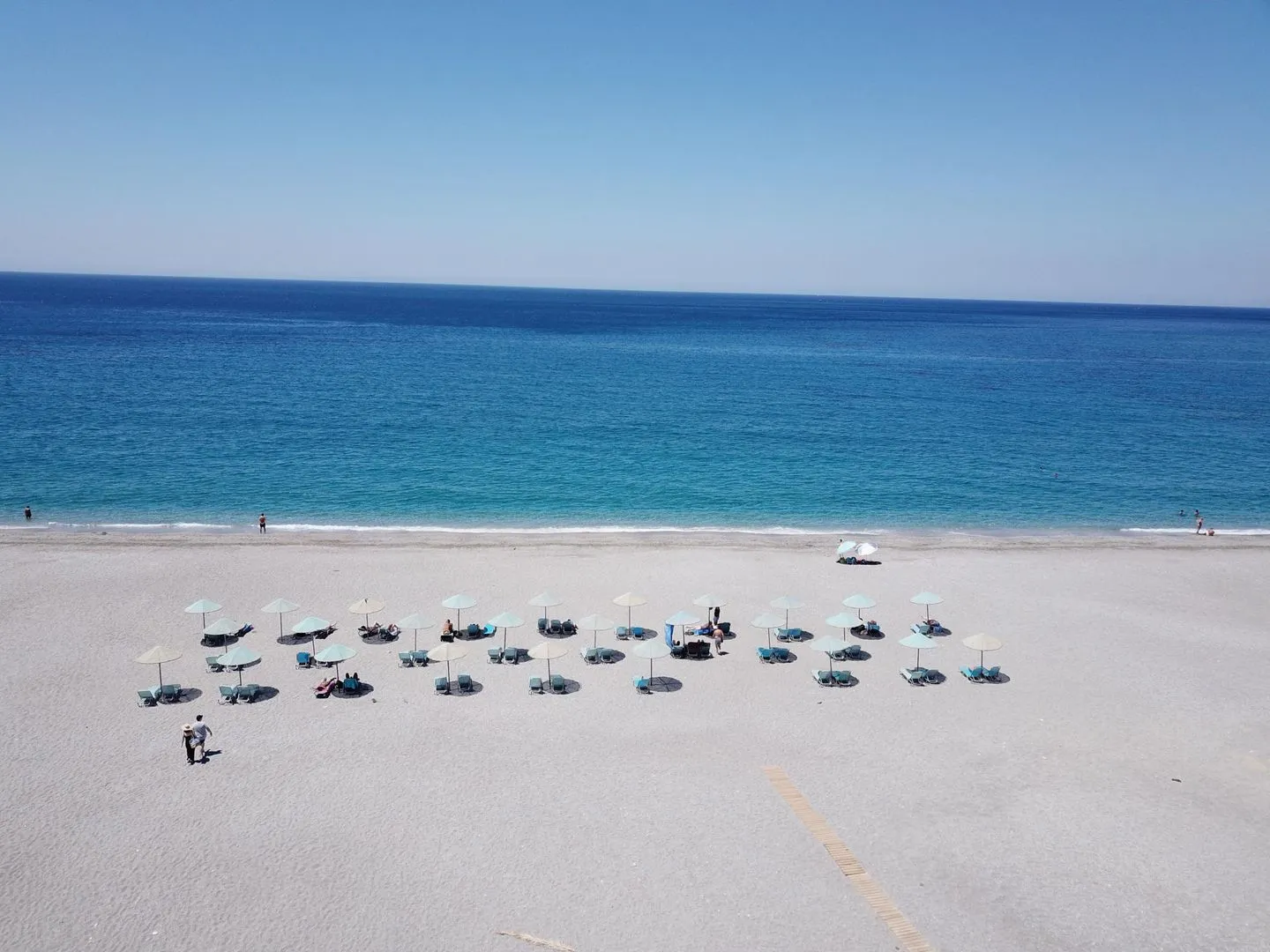
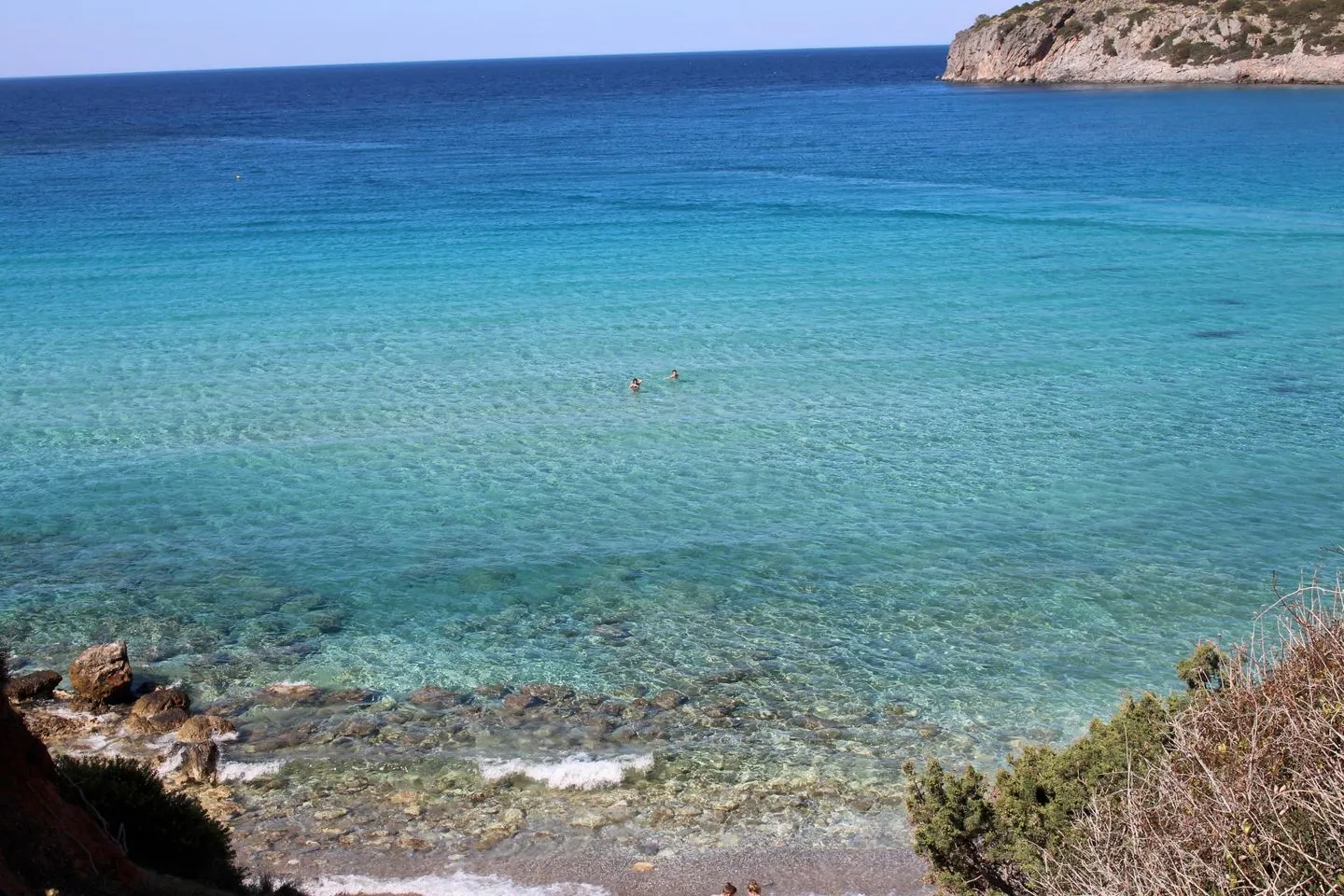
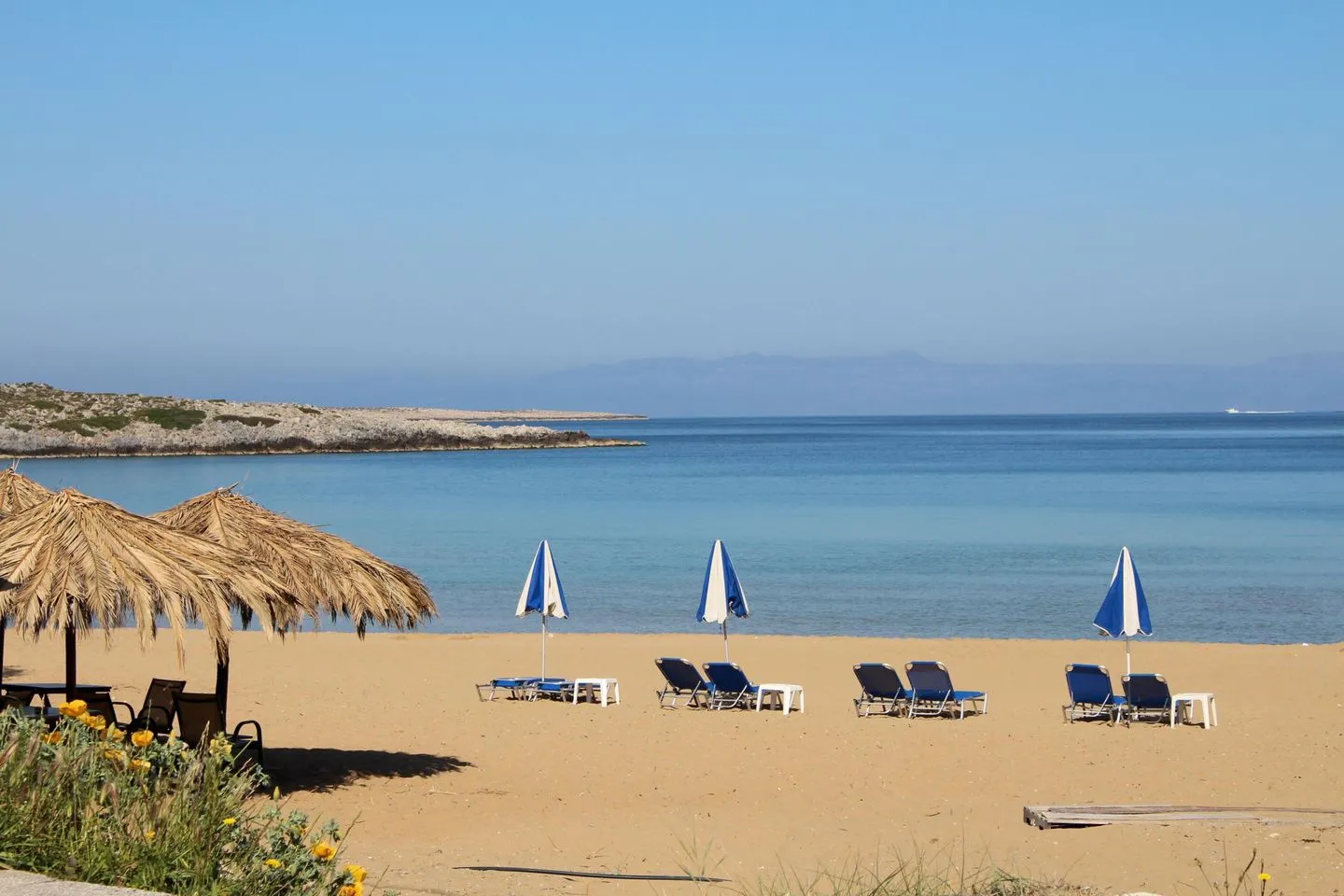
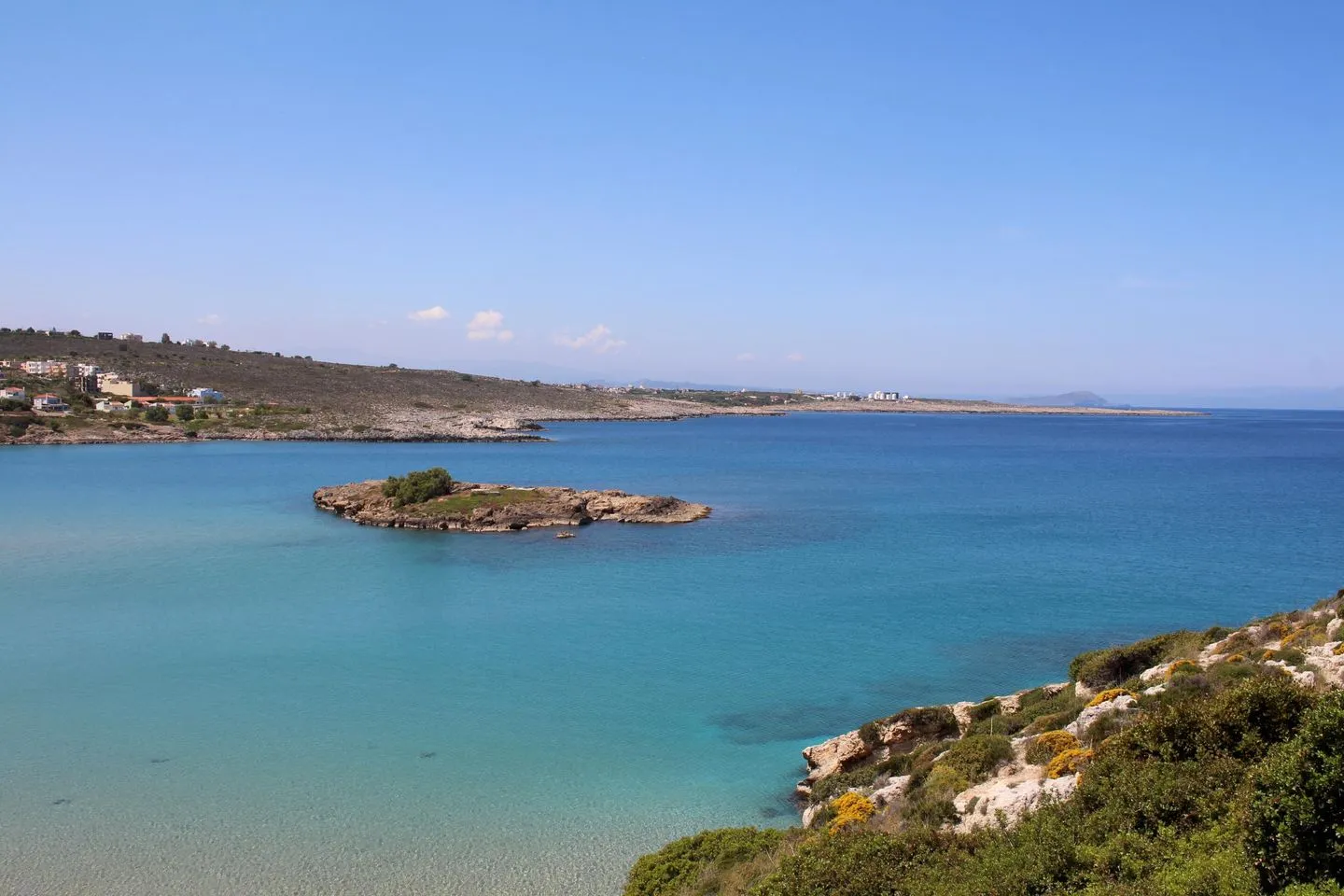
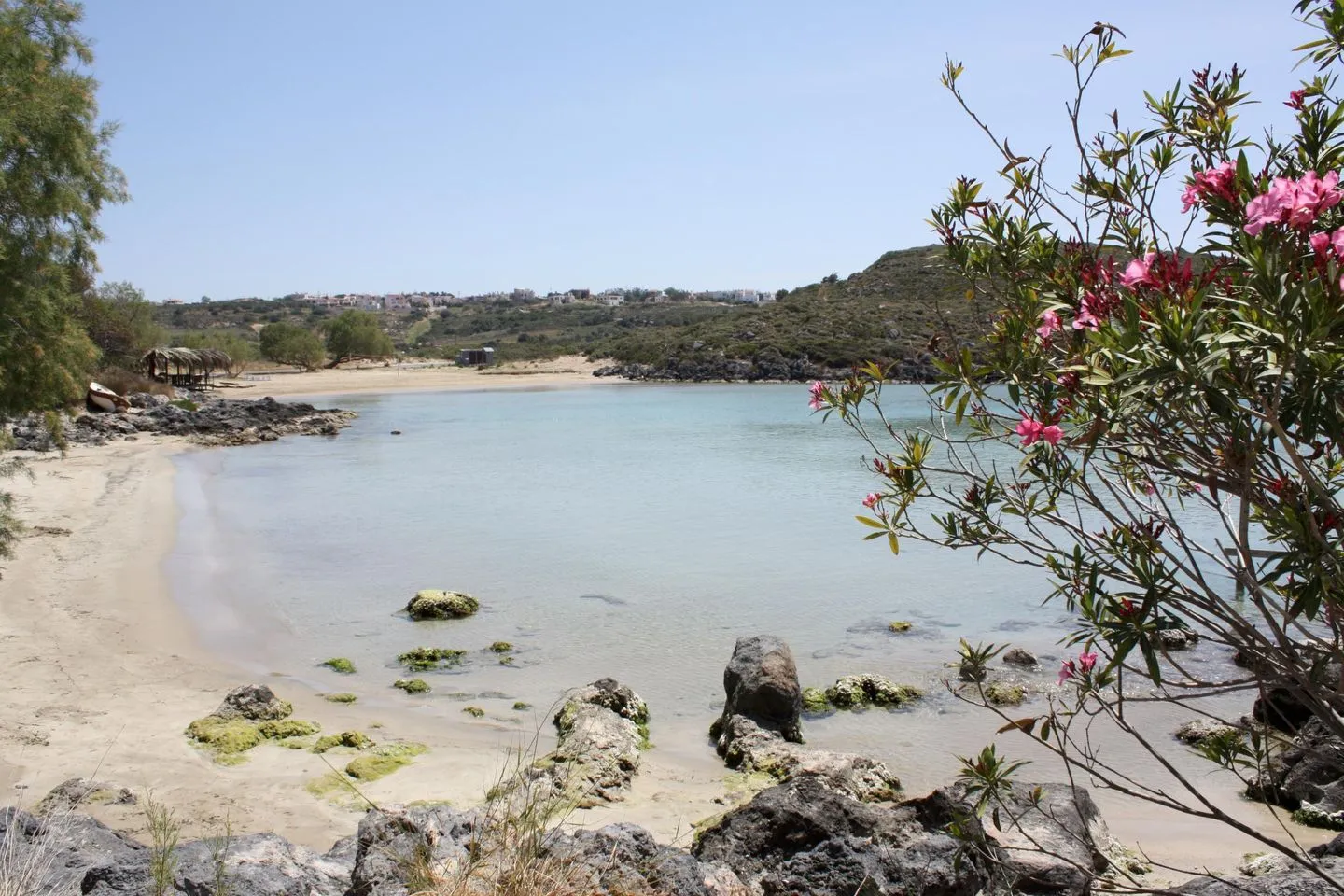
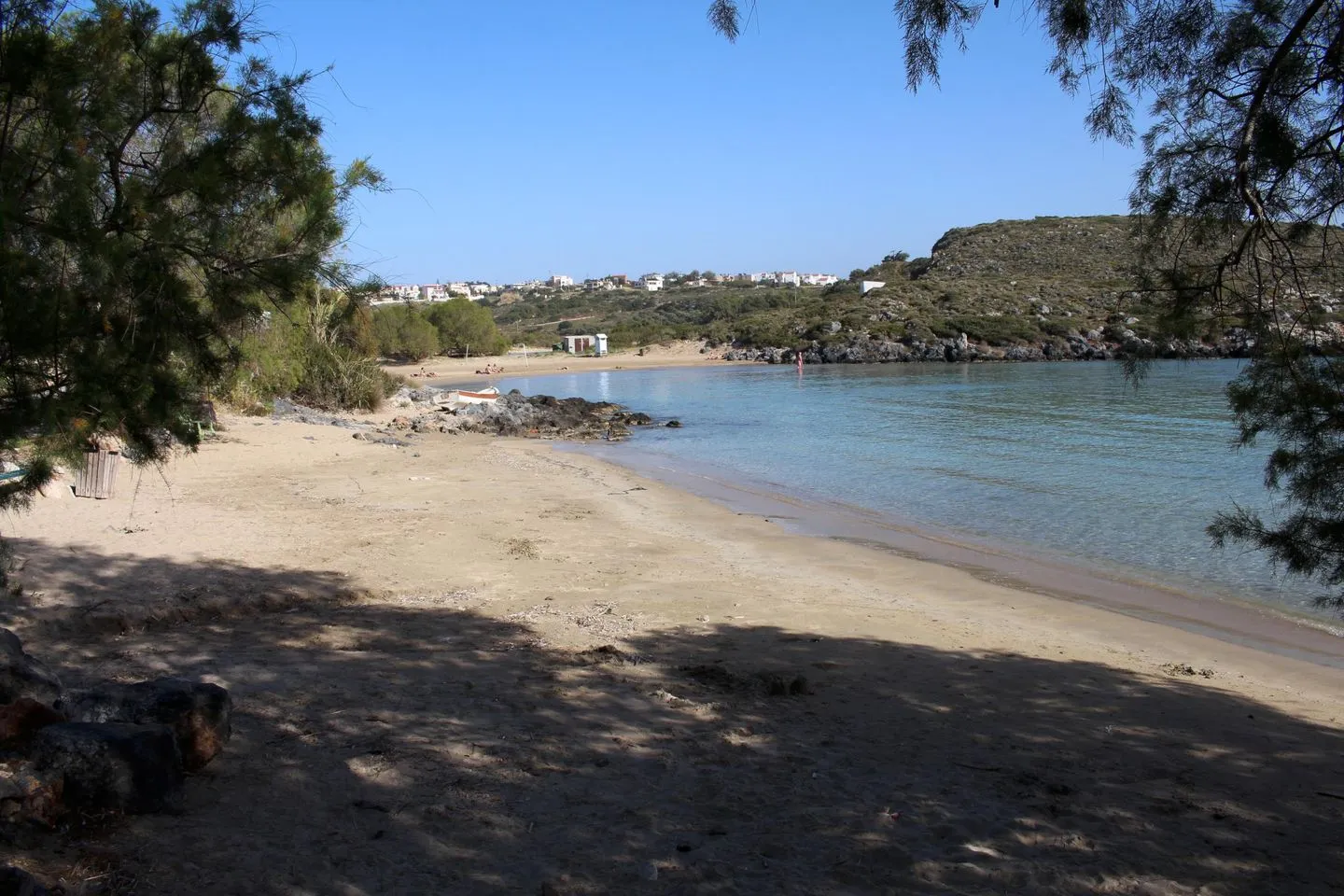
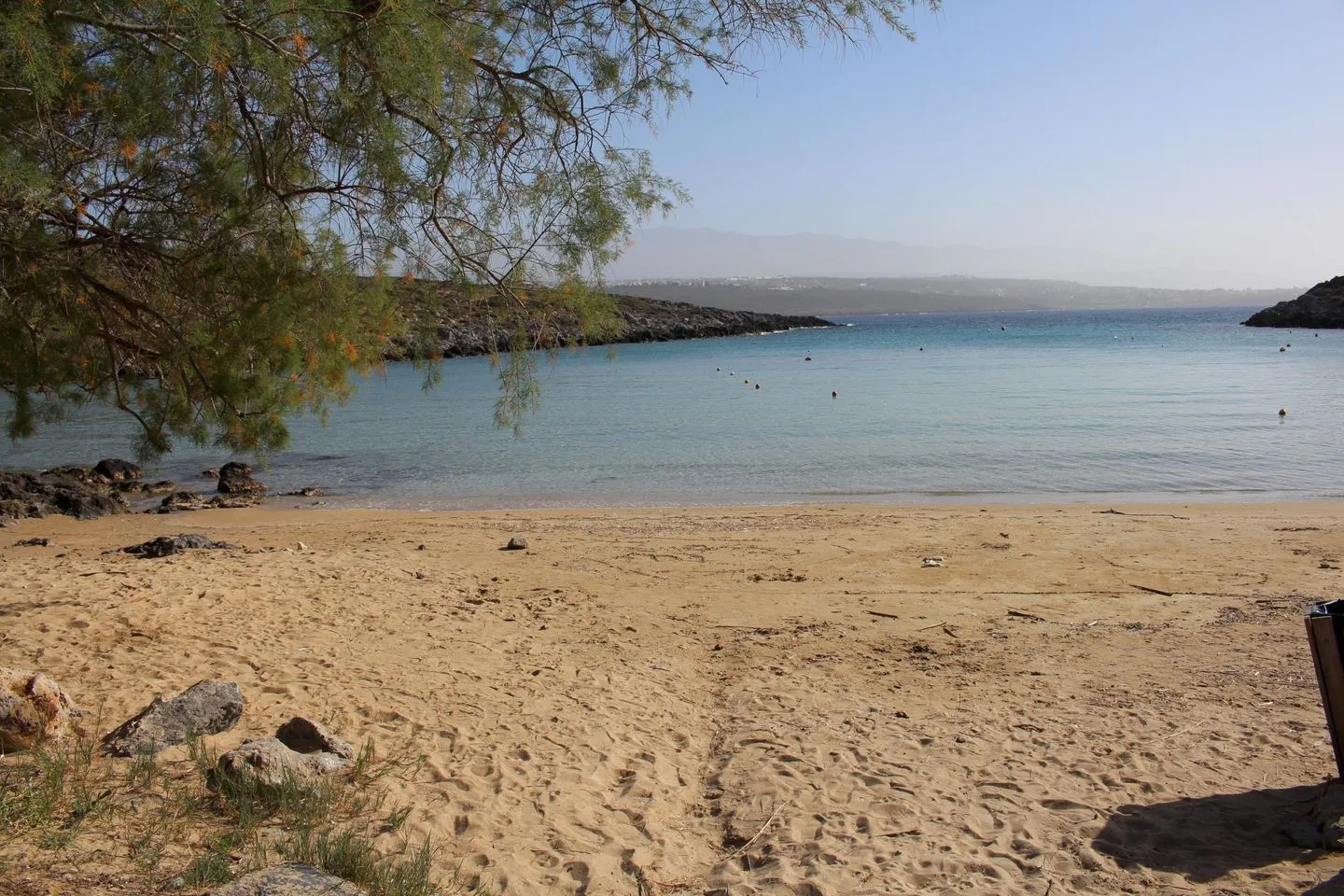
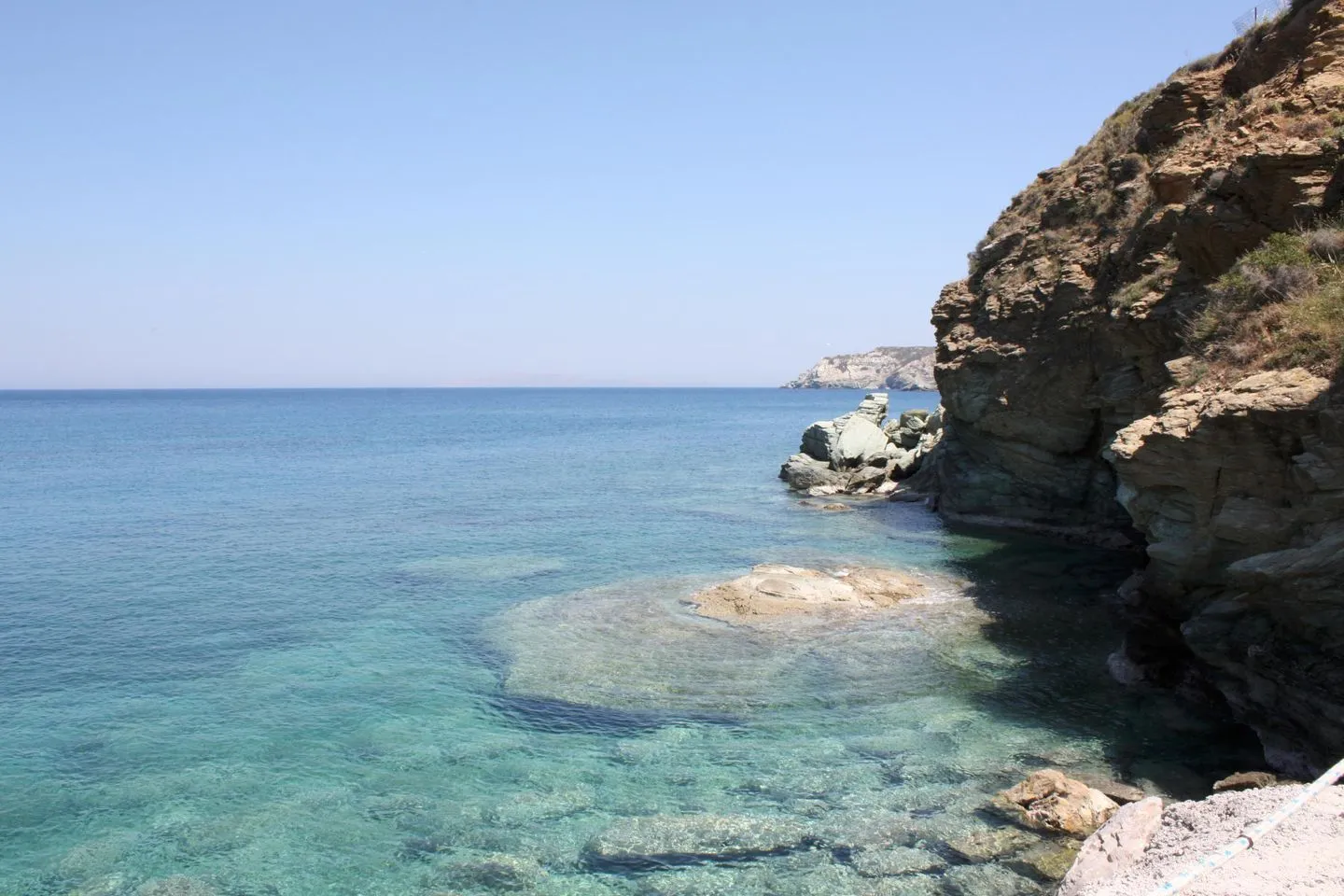
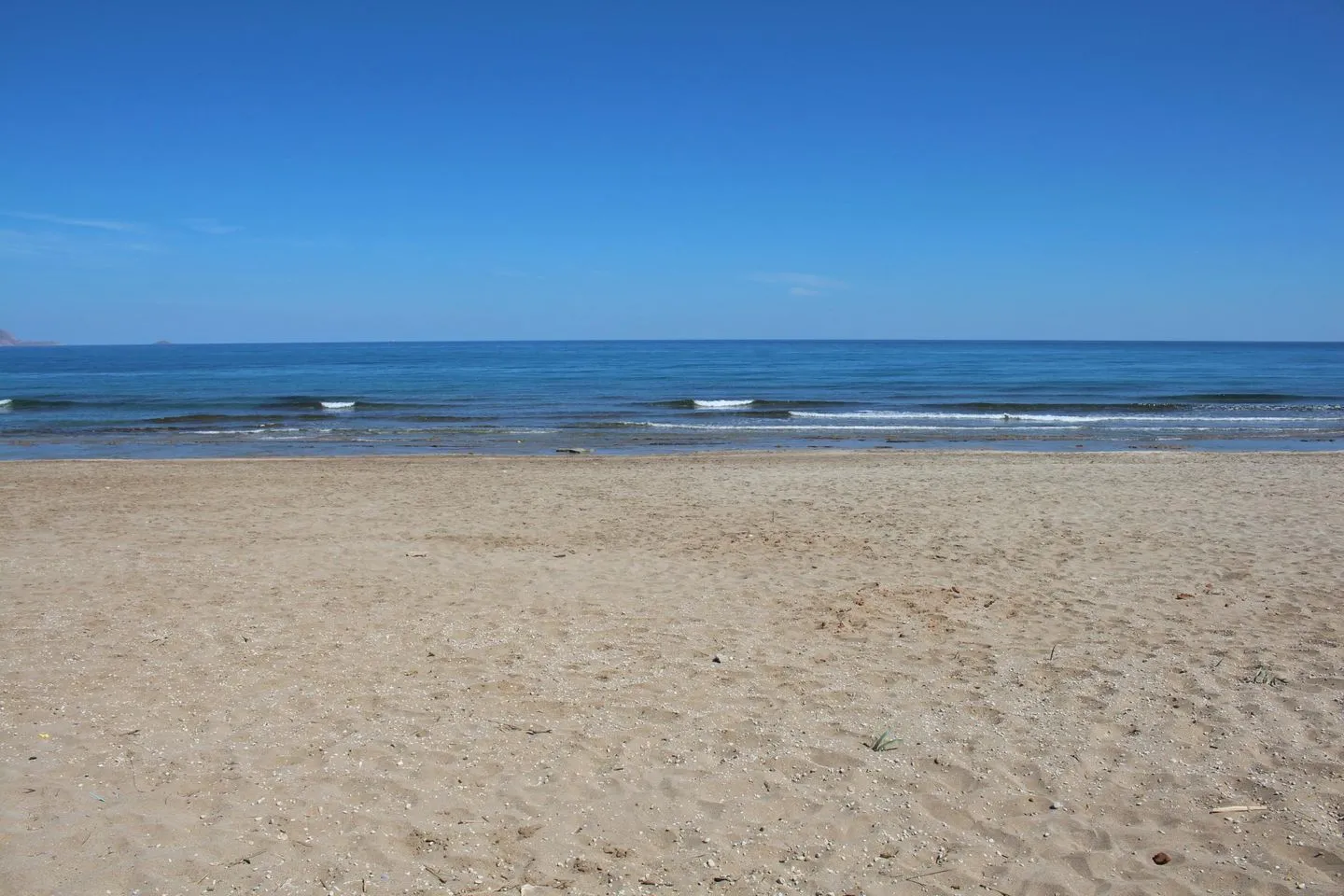
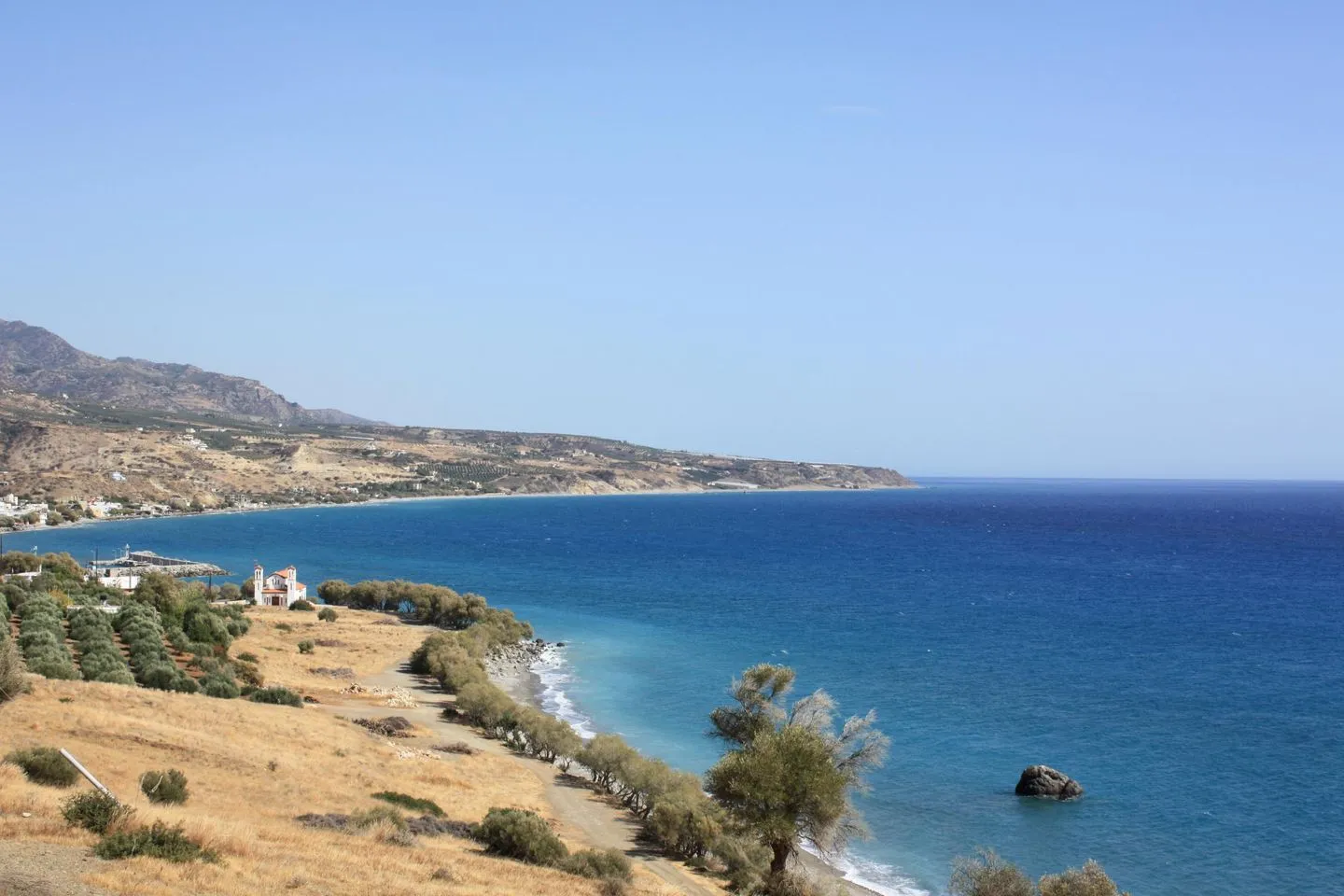
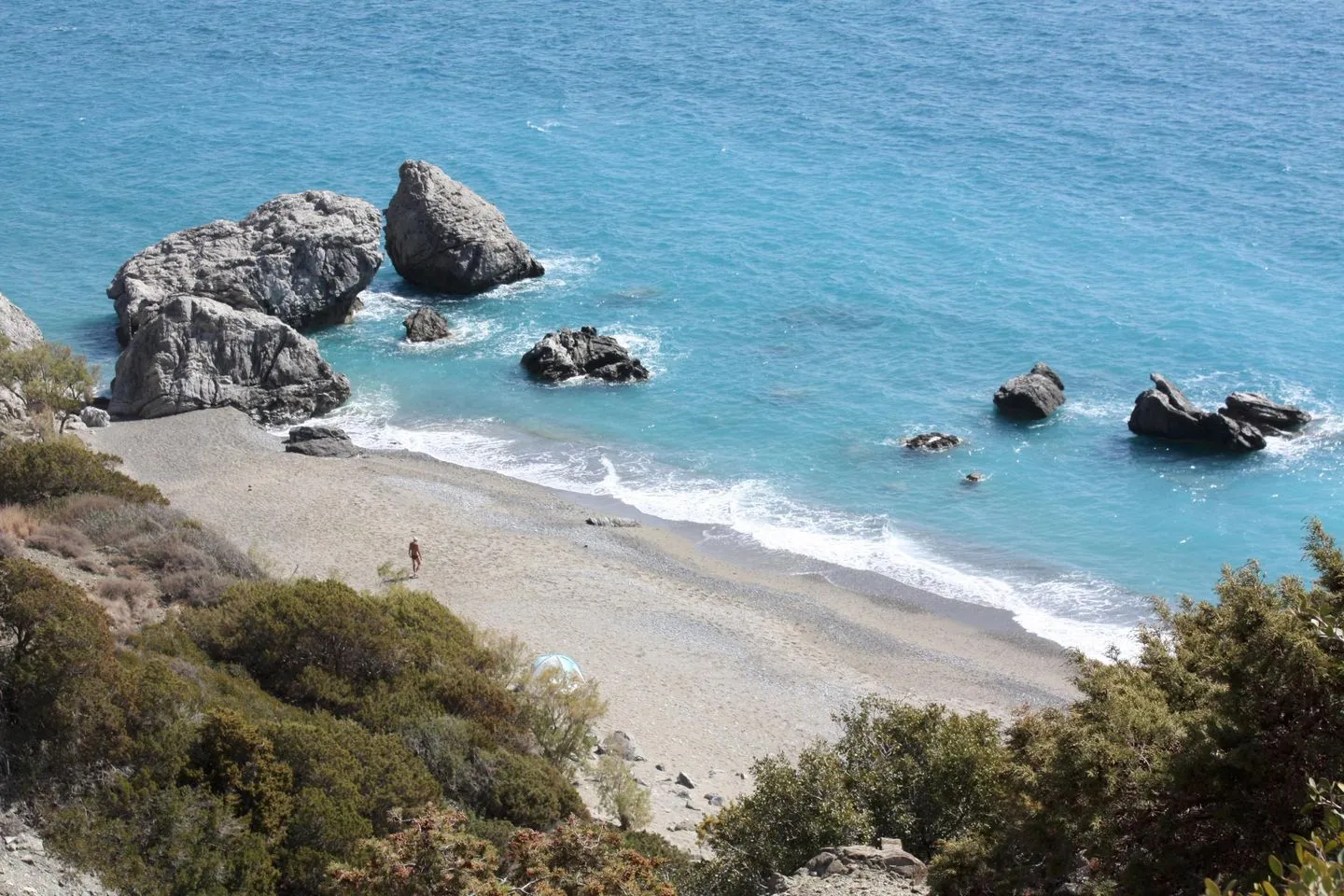
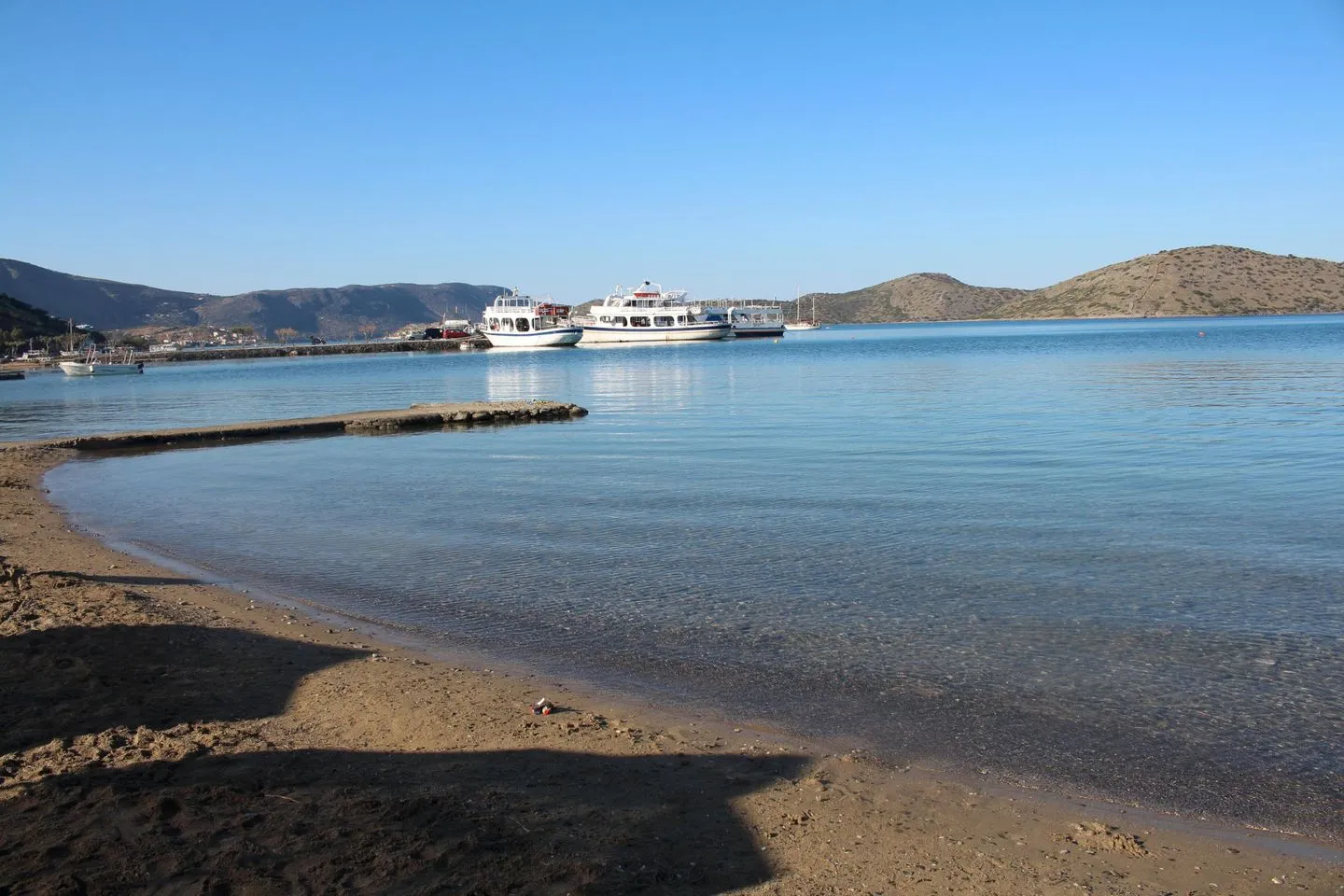
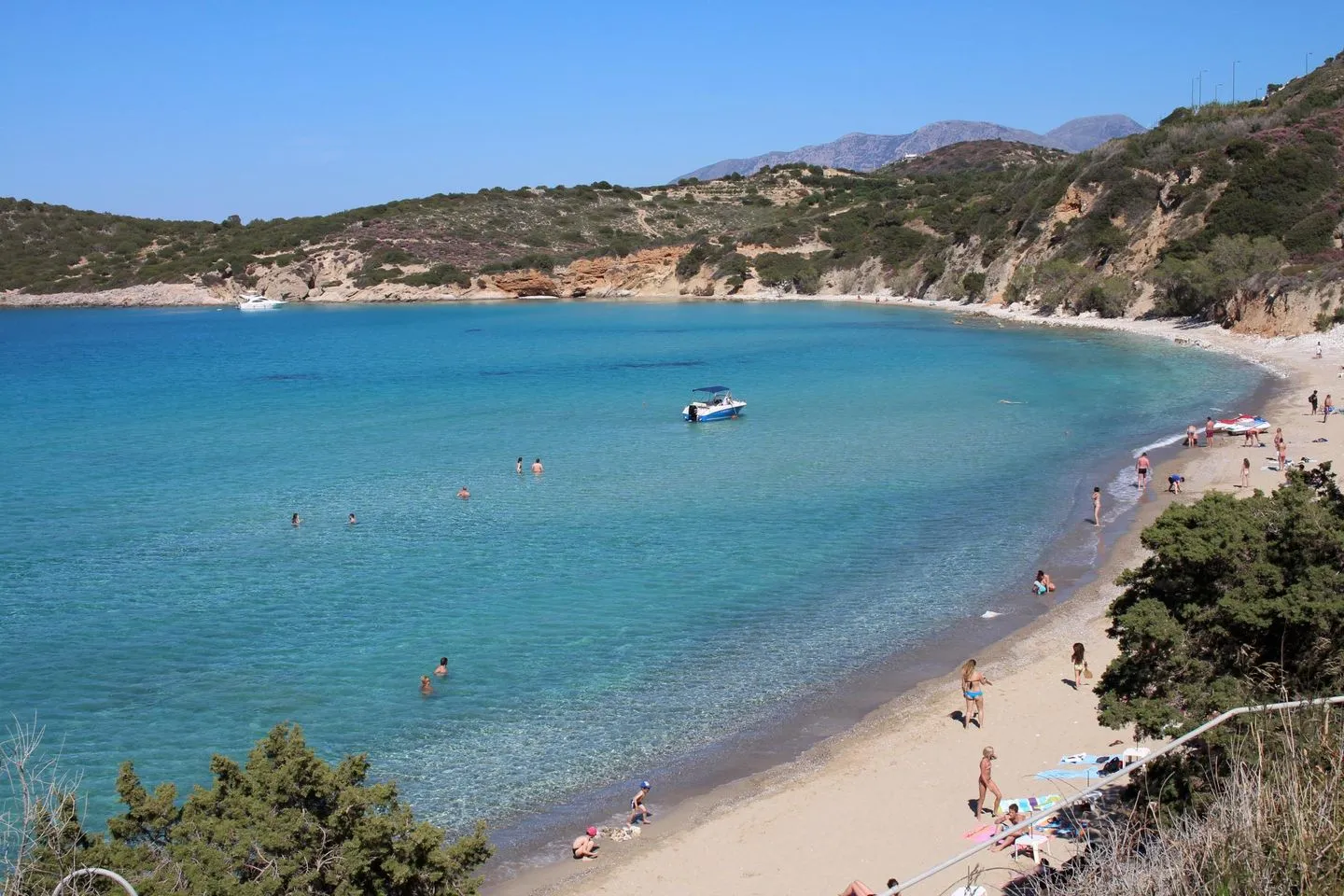
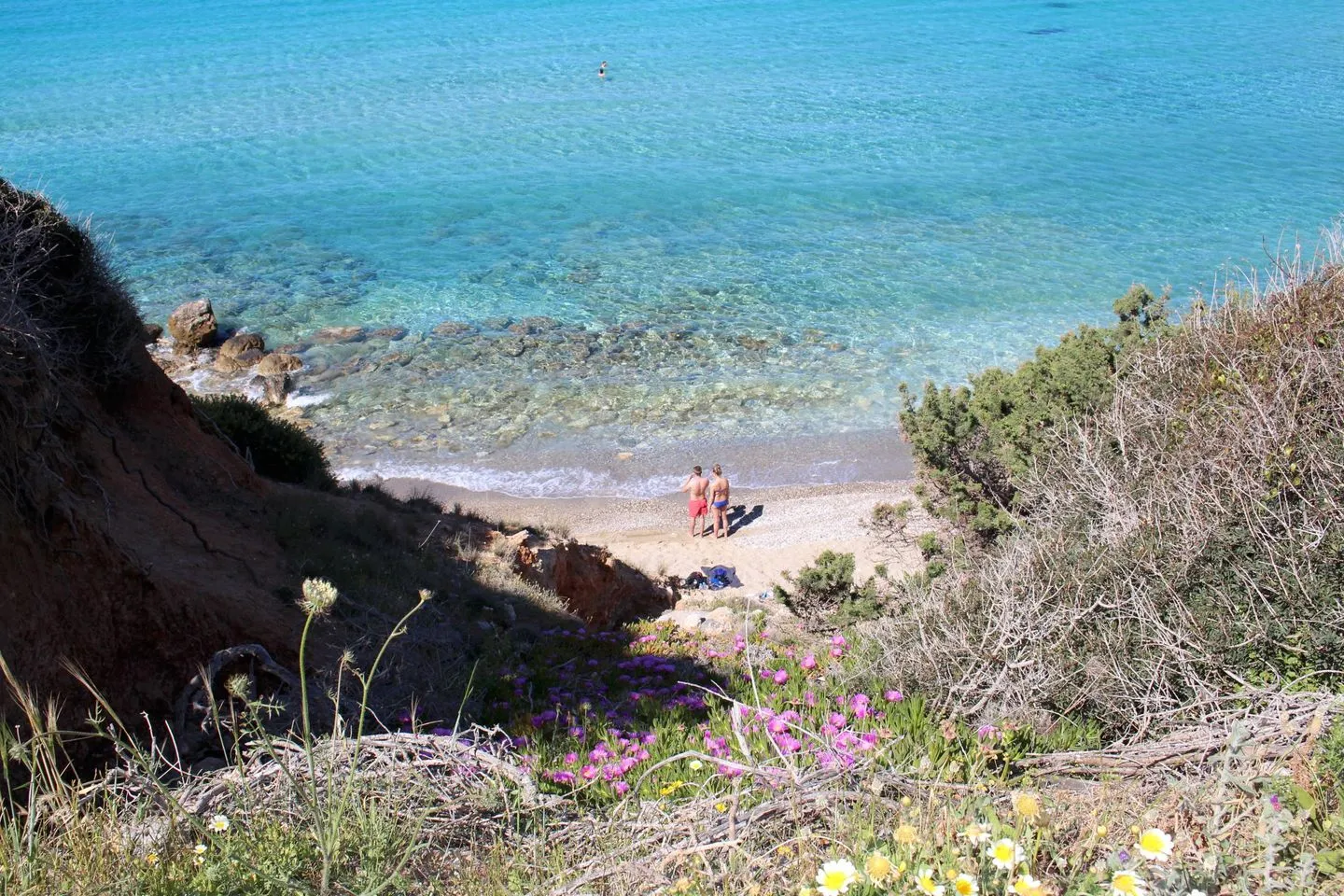
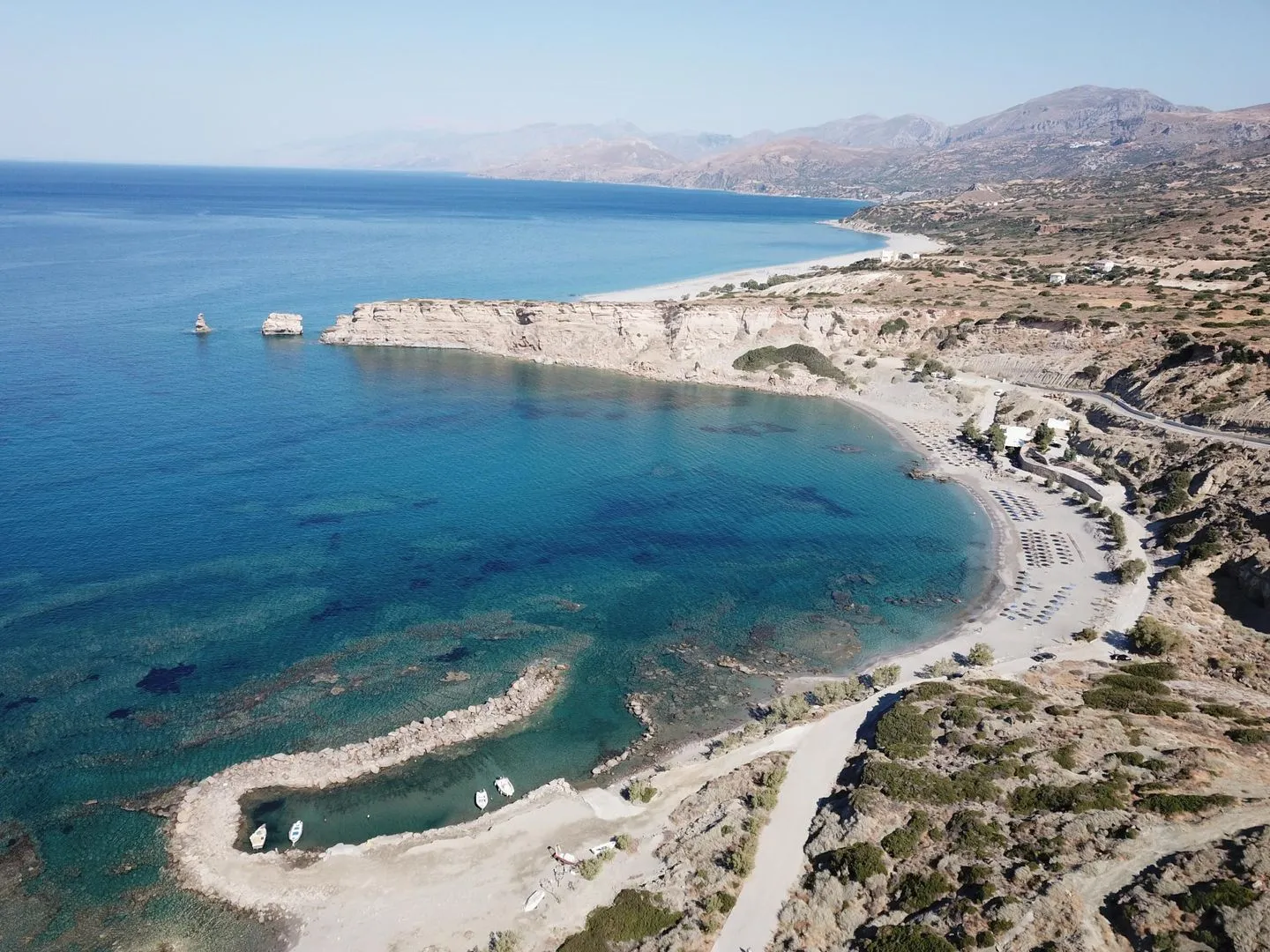
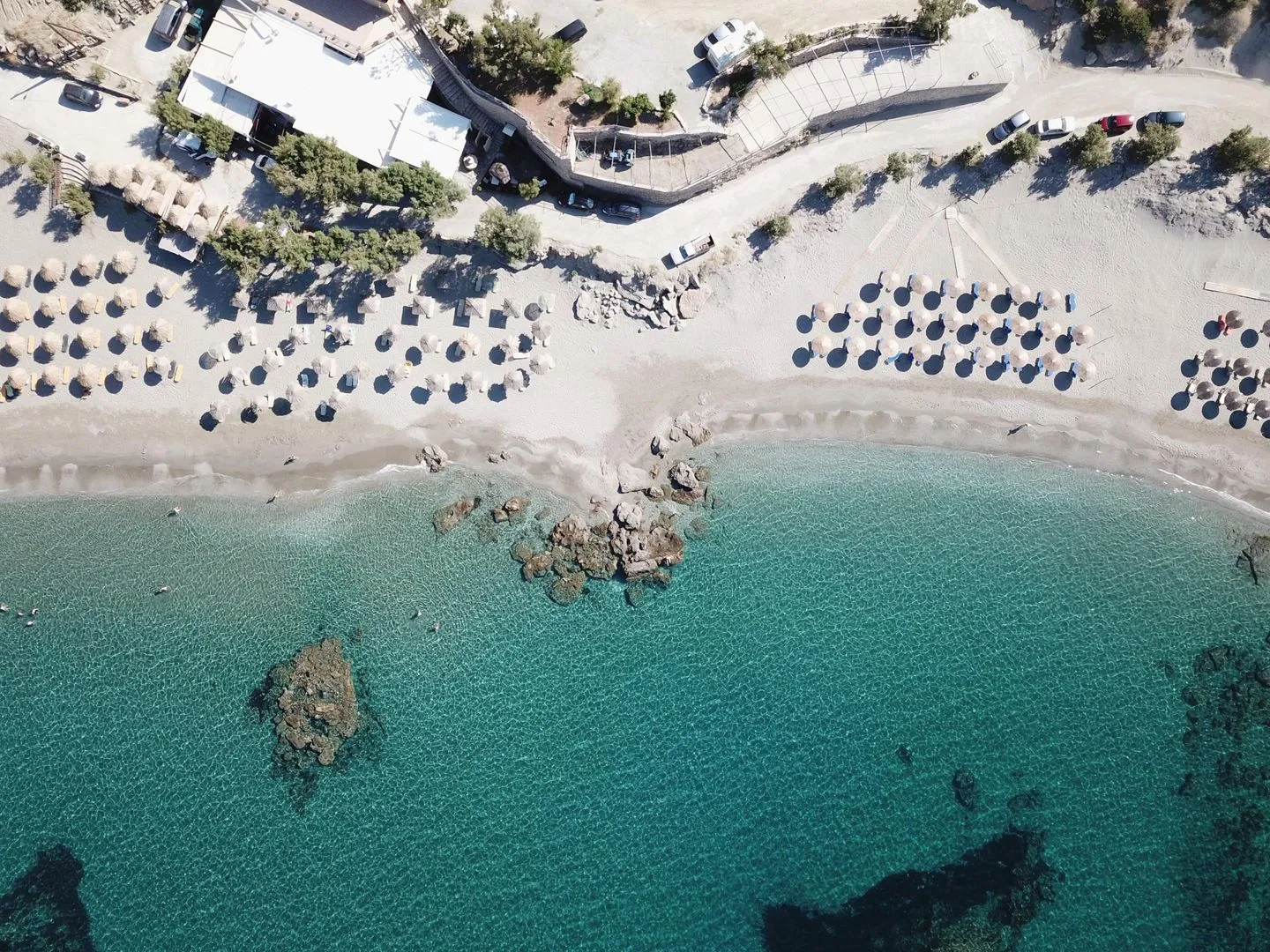
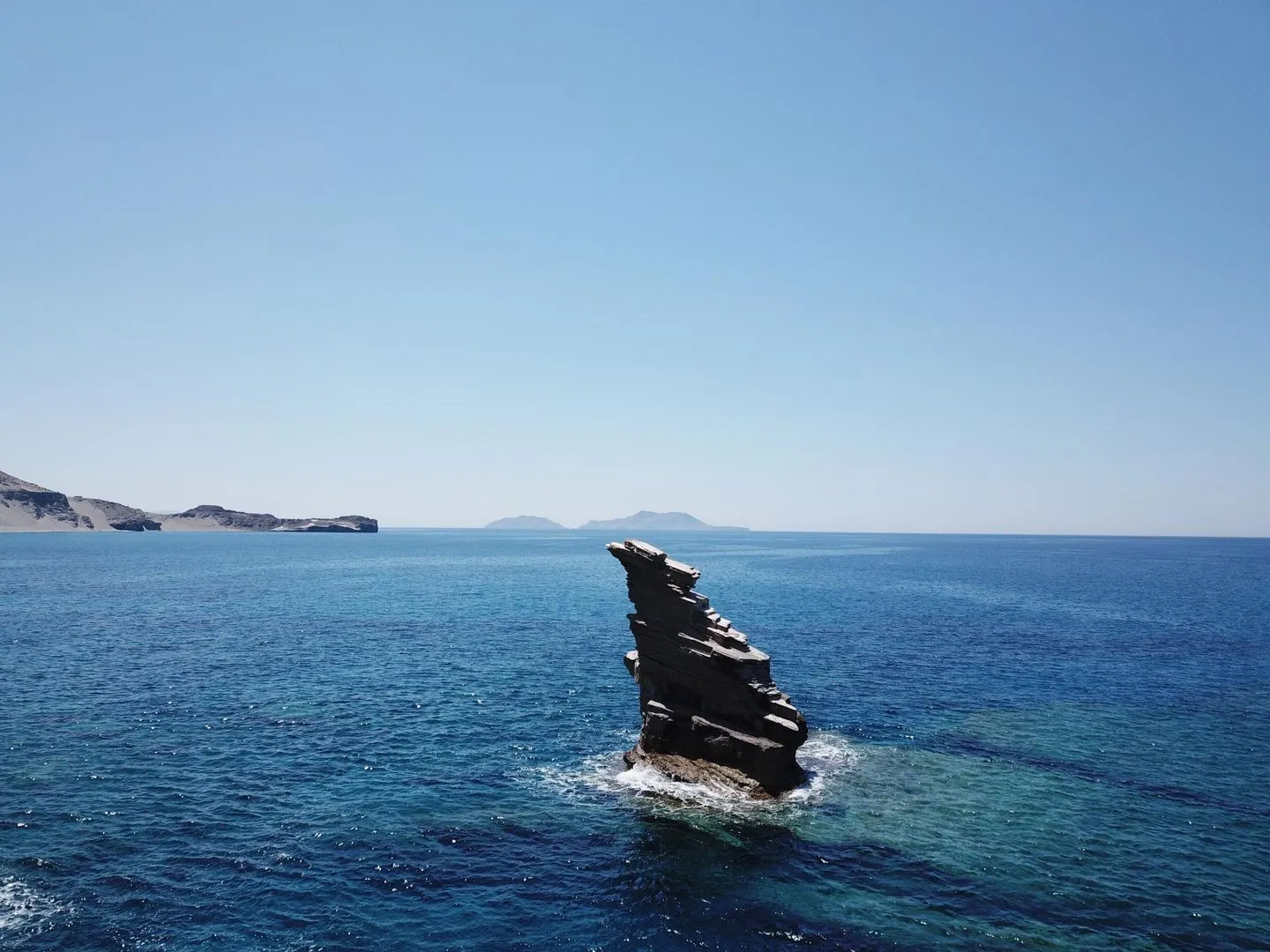
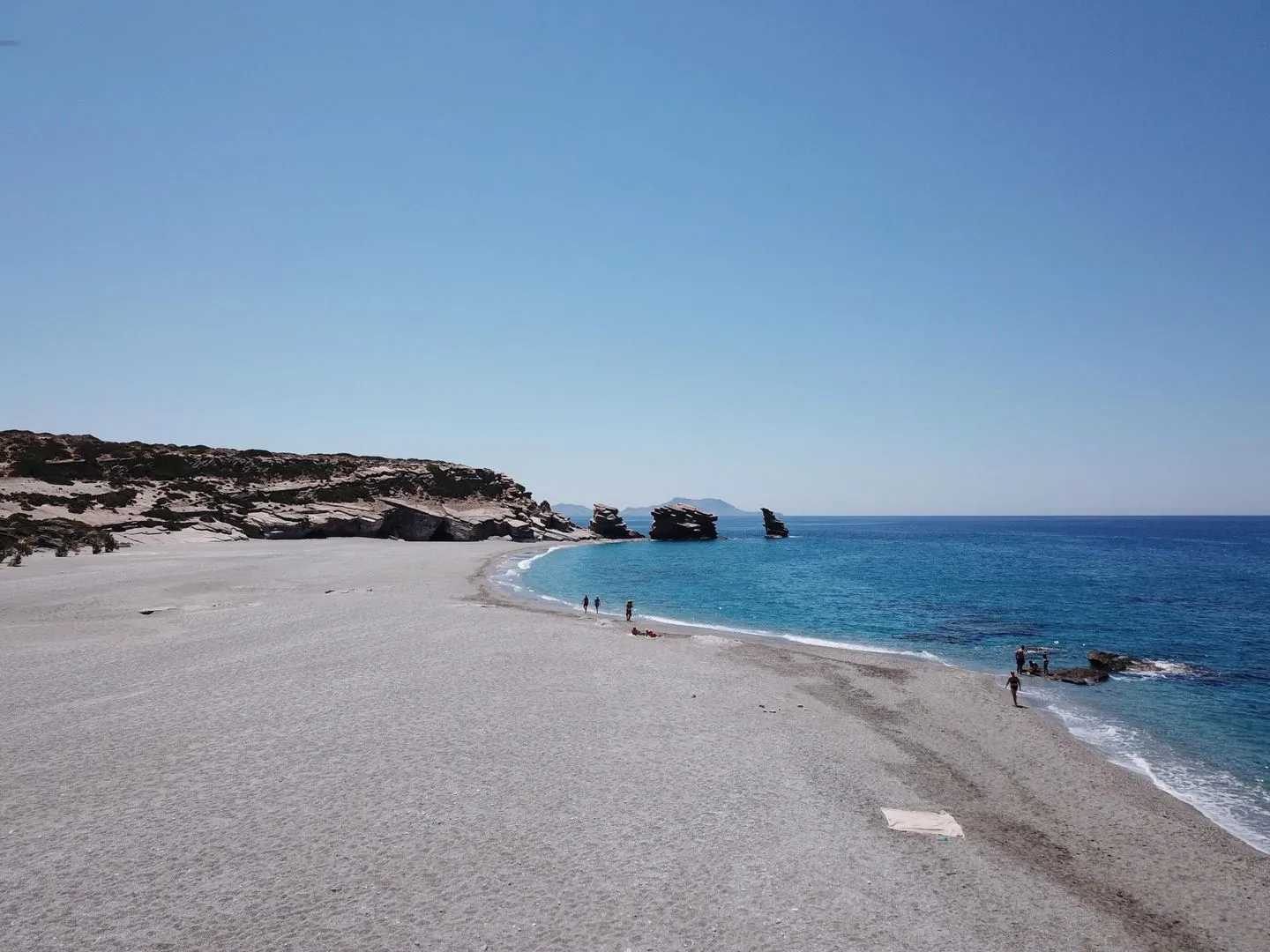
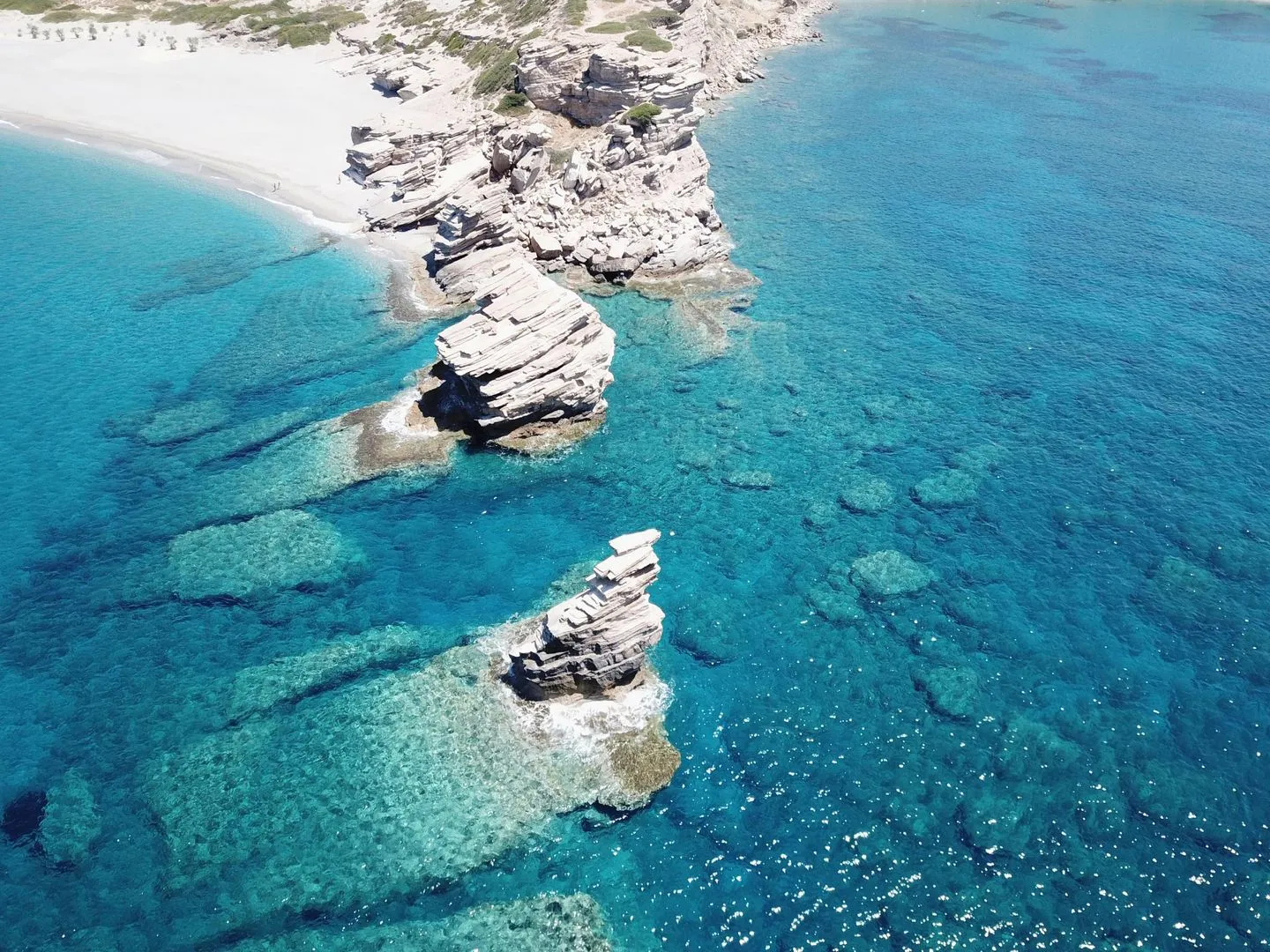
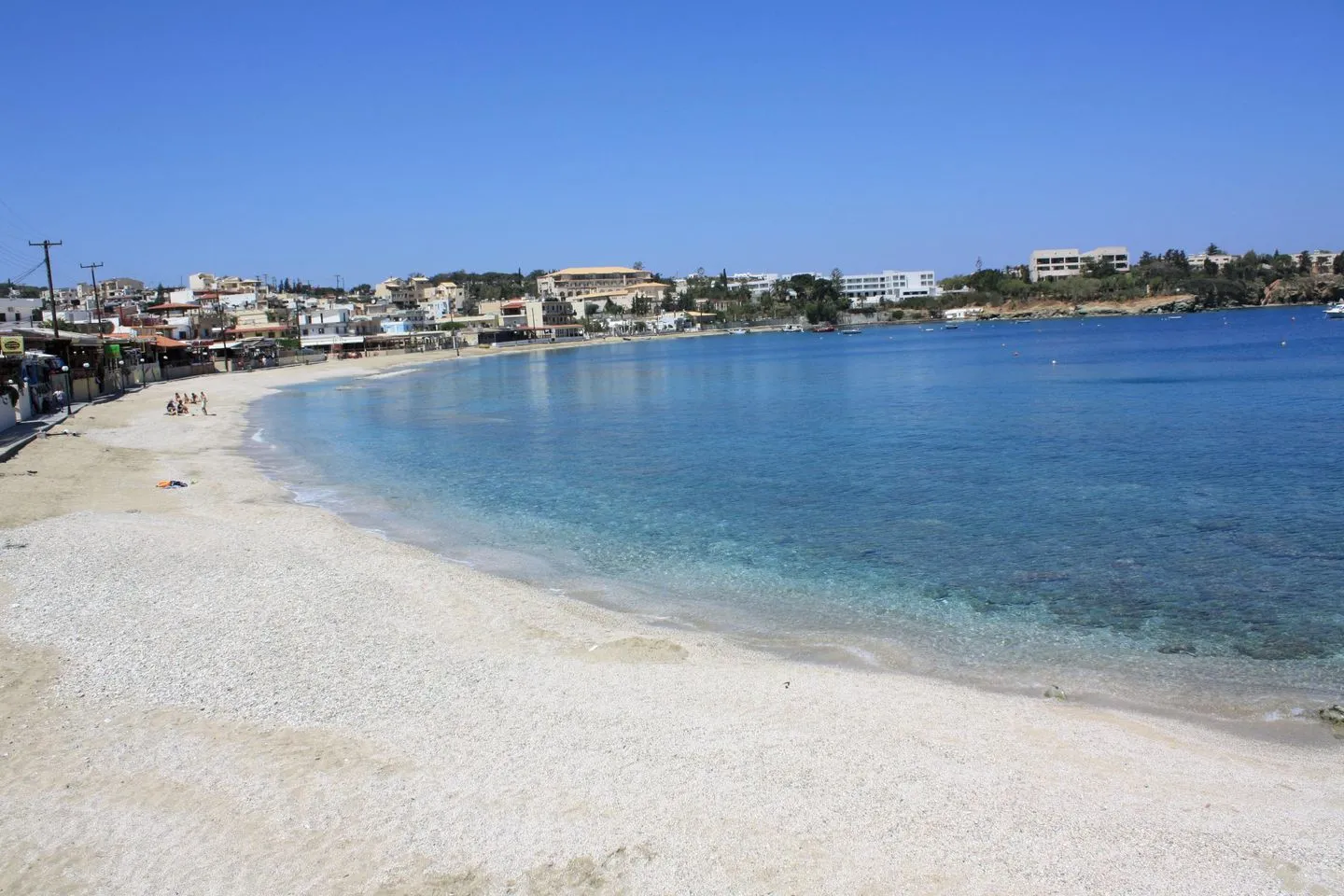
With more than 300 days of sunshine a year and almost 1,000 km of coastline, Crete is a paradise for swimmers and beach lovers. The Mediterranean climate allows swimming from April to December. Fine sandy beaches, rugged cliffs, river mouths, and secluded bays alternate along the coast. In the north, shallow and family-friendly beaches beckon; in the west, dreamlike coves await; and in the south, unspoiled stretches of coastline along the Libyan Sea invite discovery.
Water temperatures are approximately:
Crete is not only a destination for sun-seekers – hikers will also find plenty to enjoy. Mountains, gorges, and plateaus offer countless opportunities for tours. Two European long-distance hiking trails cross the island: the E4 and the E6. On Crete, the E4 stretches for around 500 km from Kastelli near Kissamos in the west, across the southern and northern slopes of the White Mountains, past the Psiloritis and Asterousia mountain ranges, all the way to Kato Zakros in the east. You should allow about three weeks for the full route. The trail passes through some of the island’s most beautiful landscapes. A holiday in a vacation home in Crete – what makes Crete special:
What makes Crete special:
Crete is like a miniature version of Greece: snow-capped peaks, wild gorges, fertile plains, sparkling coasts, and traces of a great past everywhere. Whether you want to swim, hike, or simply enjoy island life – Crete offers everything that makes for an unforgettable holiday.
By plane:
Direct flights to Chania and Heraklion
By ferry:
Daily ferry connections from Piraeus to Chania and Rethymno