The map cannot be displayed because you have not yet agreed to the use of GoogleMaps.
You can find the GoogleMaps privacy policy at https://policies.google.com/privacy?hl=en-US
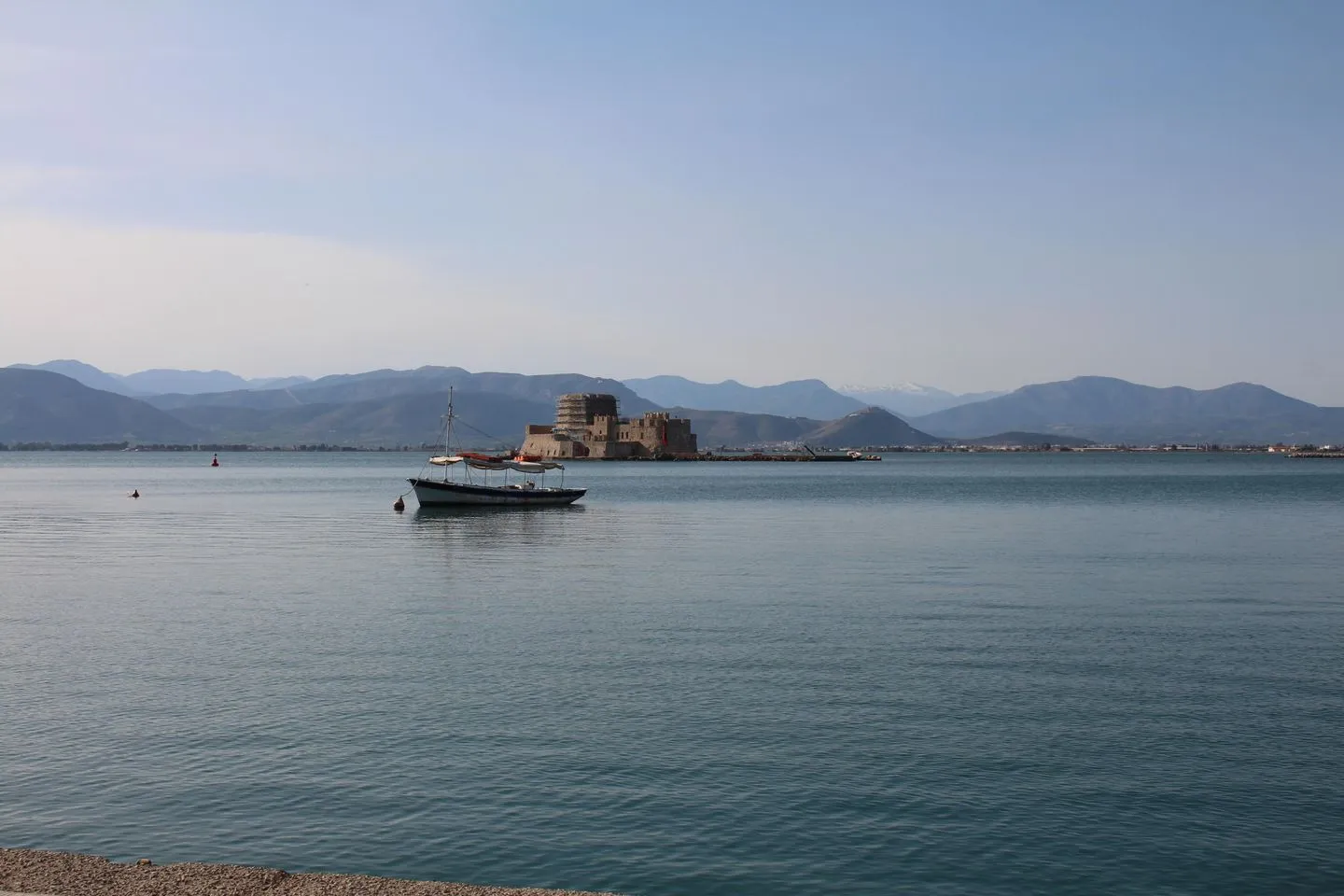
Ancient heritage, Olympic spirit, and unparalleled natural beauty.
The name Peloponnese comes from Pelops, the ruler of Arcadia and Elis. This vast peninsula, the southern part of mainland Greece, resembles a large plane leaf. Its landscape is full of contrasts: lush, peaceful plains in the west, rugged and partly forested mountains in the interior, dramatic peninsulas and quiet sun-drenched beaches, the wild Mani region, and the green hilly landscapes of Messenia in the south all form the backdrop of myths, dramas, and heroic tales from the legendary King Pelops.
Throughout the region, historical traces appear like links in a chain connecting different eras back into antiquity: Mycenaean fortresses, ruins of ancient temples, Byzantine cities, Frankish castles, historic monasteries, and picturesque villages that have preserved their authentic traditions.
Seven distinct regions form this peninsula, each one unique:
As the cradle of classical antiquity, the Peloponnese offers Greece’s most monumental and at the same time most idyllic landscapes. Ancient and Byzantine sites, towering mountain ranges with secluded villages, lonely rocky coastlines, long sandy beaches, and charming towns all blend into one region.
Nowhere else in Greece can so many sights be found in such a relatively small area.